

The New Link in the Chain
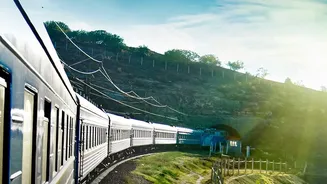
Indian Railways recently gave the green light to a new daily Express train, running as service numbers 15087 and 15088, between Mumbai's Chhatrapati Shivaji Maharaj Terminus (CSMT) and Sawantwadi Road. This service will span a 510-kilometre route, making
22 stops at key towns like Panvel, Roha, Chiplun, Ratnagiri, and Kankavli. For the thousands of people who travel this busy corridor for work, education, or family, this isn't just an additional train; it's a significant upgrade in reliable, daily connectivity between the Mumbai Metropolitan Region and the heart of the Konkan.
More Than Just a Commute
While daily commuters and students will see immediate benefits, the train's impact is designed to be much broader. By providing another direct link, the service aims to ease the passenger load on one of India's busiest rail corridors, especially during peak seasons and festivals. For small businesses, traders, and farmers in the region, enhanced connectivity means faster and more reliable access to the massive markets of Mumbai. This can be transformative, reducing reliance on slower road transport and helping to get goods to market more efficiently, thereby supporting regional economic activity.
A Direct Boost for Coastal Tourism
Perhaps the most significant long-term impact will be on tourism. The Konkan coast is dotted with pristine beaches, historic forts, ancient temples, and growing eco-tourism hubs that have often been just out of reach for the average tourist due to difficult last-mile connectivity. The new train, with its numerous halts, effectively puts many of these destinations on the map for visitors from Mumbai and beyond. Railway officials have explicitly stated that the service is intended to make travel more convenient for tourists, a move that is expected to provide a direct economic injection into local communities that depend on visitor spending.
The Broader Strategic Blueprint
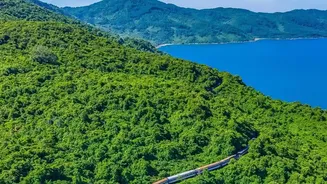
This new service isn't an isolated decision. It aligns perfectly with a broader vision to enhance coastal connectivity as a driver of national economic growth. The Konkan Railway itself, an engineering marvel that first connected the coast in 1998, revolutionised a once-isolated region. Today, new services like the Mumbai-Sawantwadi Express represent the next phase of that revolution: deepening the network and making it more accessible. The goal is to create a seamless corridor that not only moves people but also integrates coastal economies. Better connectivity encourages a multiplier effect, where tourists can visit multiple destinations, spreading economic benefits more evenly across the region instead of concentrating them in just one or two major towns.
The Road Ahead
While adding new trains is a crucial step, it is part of a much larger infrastructure puzzle. The success of this coastal strategy also depends on the development of stations, improving last-mile transport from the station to the final destination, and ensuring that the growth in tourism is sustainable. The introduction of this daily service is a clear signal of intent from Indian Railways. It reflects a commitment to not just maintaining the Konkan line but actively leveraging it to foster balanced regional development. As this network strengthens, it promises to transform the economic and social landscape of India's western coast.