
The Secret in the Name
Have you ever stopped to think about why a dish is called what it is? Often, the name is a clue, a tiny window into its soul. Take the Gujarati winter classic, Undhiyu. The name comes from the Gujarati word 'undhu,' which means 'upside down'. This refers
to the traditional method of cooking the dish in an earthen pot, or 'matlu', which was buried underground and fired from above. The name is a direct nod to its unique, age-old cooking process, a practice that speaks volumes about the region's culinary ingenuity. Similarly, dishes like the Parsi 'Patrani Macchi'—fish steamed in a leaf ('patra')—tell you exactly how they are made. These names are not just labels; they are condensed stories about technique and tradition passed down through generations.
A Taste of History
Some dishes carry the weight of history in their names, acting as delicious monuments to cultural exchange. The Goan Vindaloo is a perfect example. Many might mistakenly think the 'aloo' in its name refers to potato, but its origins are purely Portuguese. The name is an Indianised version of 'carne de vinha d'alhos', which translates to 'meat in garlic wine'. Portuguese sailors who arrived in Goa in the 16th century brought with them this method of preserving pork in wine vinegar and garlic for their long sea voyages. Local Goan cooks adapted the recipe, replacing wine with palm vinegar and adding a host of local spices, transforming it into the fiery, tangy curry we know today. The name 'Vindaloo' is therefore a living record of Goa's colonial past and the beautiful fusion of cultures that occurred on its shores.
Food for the Journey
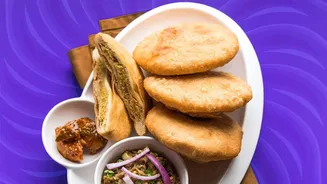
The purpose of a dish and its role in daily life also give it profound meaning. Bihar's iconic Litti Chokha is more than just a meal; it's a symbol of resilience and practicality. Litti, a dough ball stuffed with spiced sattu (roasted gram flour), was originally the food of farmers and travellers. It required few ingredients, used very little water, and could be roasted directly over embers, making it a perfect, long-lasting meal for those on the move. Its utility was so great that it reportedly sustained soldiers during the 1857 mutiny. This humble dish wasn't born in a royal kitchen but out of necessity. Its 'daily use' as a durable, nutritious meal for the common person is what defines its character and secures its place in the region's cultural identity. Eating Litti Chokha is consuming a piece of Bihar's hardy, agrarian spirit.
A Reflection of Place
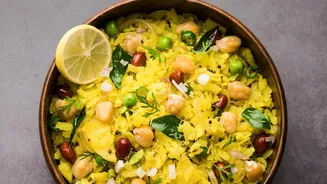
Just as language has dialects, so does food. The ingredients and preparation methods are shaped by geography, climate, and the local harvest. This is why so many dishes are proudly named after their place of origin. Think of Hyderabadi Biryani, Moradabadi Dal, or Indori Poha. These names are a declaration of a specific culinary identity, a promise of a particular taste profile developed in that city or region. Ramassery Idli from a small village in Kerala, for example, is famous for its unique flat shape and soft texture, a style distinct from any other idli. These geographical markers aren't just for show; they signify a specific blend of local spices, cooking techniques, and ingredients that can't be replicated elsewhere. They remind us that Indian food isn't one single entity but a vibrant collection of hyper-local cuisines, each with its own story to tell.