


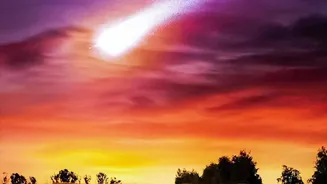
What Makes a Harvest Moon?
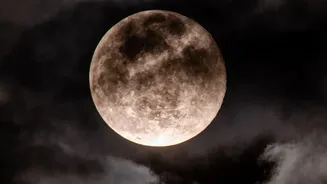
The Harvest Moon is the name given to the full moon that occurs closest to the autumnal equinox, which marks the official start of autumn in the Northern Hemisphere. The name is a nod to a time before electricity, when farmers depended on the bright moonlight
to extend their working day and gather crops late into the night. While many full moons have traditional names, the Harvest Moon title can fall in either September or October, depending on which full moon is nearest to the equinox date. This year, with the equinox on September 22, the full moon on September 26 takes the title. Other traditional names for September's full moon include the Corn Moon and the Falling Leaves Moon.
A Special Sight for India
For viewers in India, the Harvest Moon will reach its peak brightness at 10:19 PM IST on Saturday, September 26, 2026. This timing is ideal, as the moon will be high in the night sky across the country, offering excellent viewing opportunities, weather permitting. The moon will rise in the east around sunset and will be visible throughout the night, set against the backdrop of the constellation Pisces. The planet Saturn will also be visible as a bright, star-like object near the moon, providing an extra celestial sight for observers.
That Famous Orange Glow
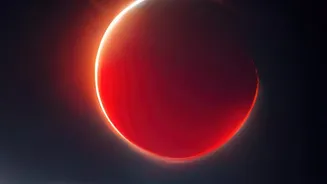
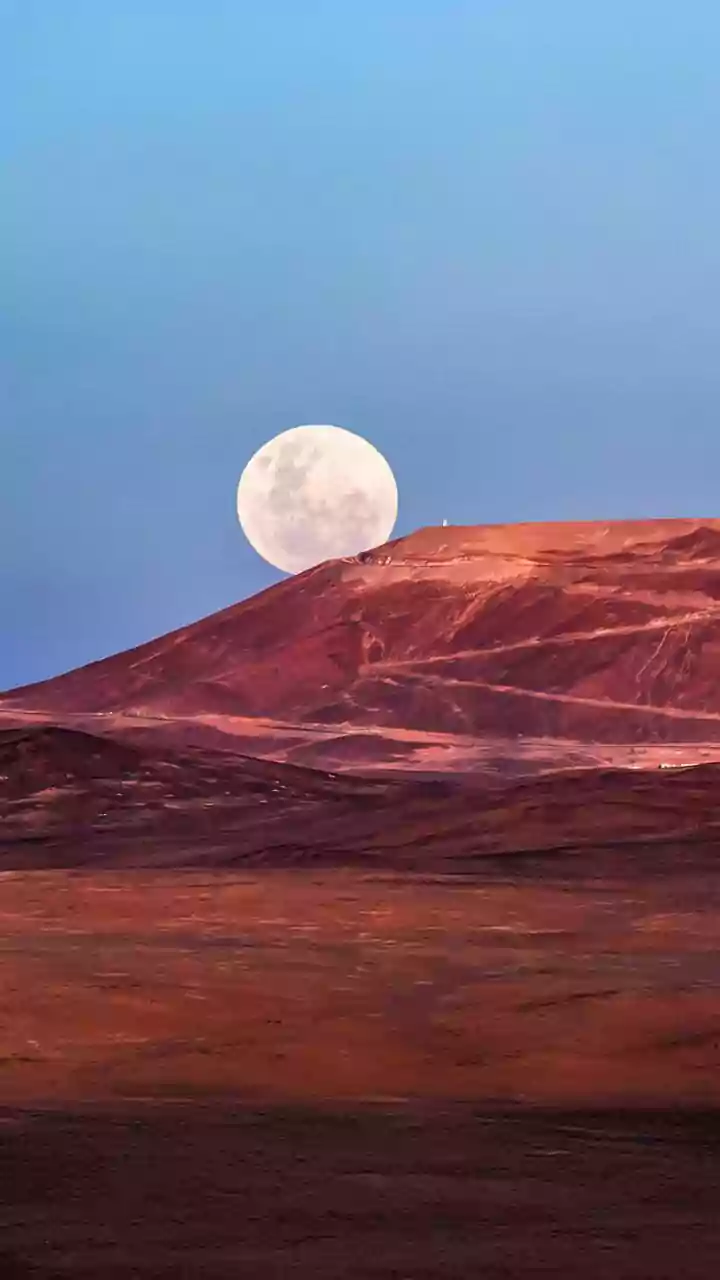
One of the most enchanting aspects of the Harvest Moon is its tendency to appear large and vibrantly orange as it rises above the horizon. This is due to a phenomenon known as the 'Moon Illusion'. When the moon is low in the sky, we view it through a thicker layer of Earth's atmosphere. This scatters blue light more effectively, allowing more red and orange light to reach our eyes, giving the moon its warm, pumpkin-like hue. While this happens with every moonrise, the Harvest Moon's unique orbital path around the time of the equinox means it rises at nearly the same time for several consecutive evenings, giving us an extended chance to enjoy this beautiful effect.
Tips for the Best Viewing Experience
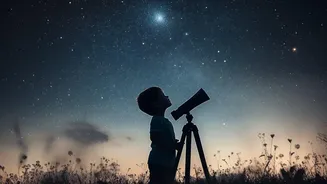
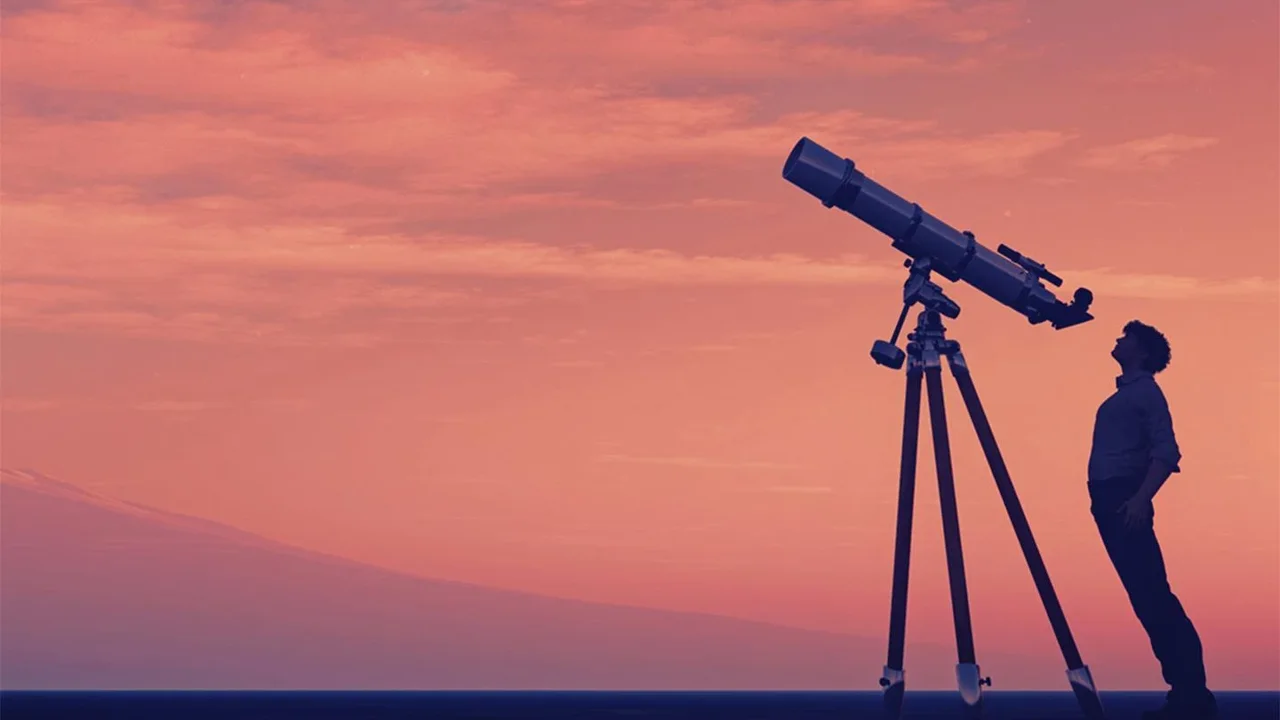
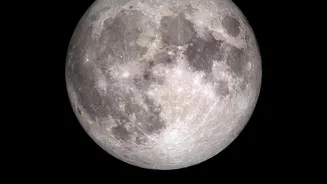
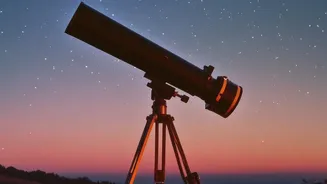
You don’t need any special equipment to enjoy the Harvest Moon, but a few simple tips can enhance the experience. First, find a location with a clear view of the eastern horizon, away from tall buildings and bright city lights. The less light pollution, the more brilliant the moon and surrounding stars will appear. Give your eyes about 15-20 minutes to adjust to the darkness for the best view. While the moon is beautiful to the naked eye, a pair of binoculars or a basic telescope can reveal stunning details on the lunar surface, like its craters and dark seas, known as maria. Finally, remember to check your local weather forecast, as post-monsoon clouds could obstruct the view.
How to Capture the Moment
Photographing the moon with a smartphone can be tricky but rewarding. For the best results, use a tripod to keep your phone steady. If you don't have one, try bracing your phone against a solid surface. Instead of using the digital zoom, which can make the image grainy, it's better to take the picture and crop it later. Tap on the moon on your screen to set the focus, and then manually lower the exposure or brightness; the moon is very bright, and this will help you capture its surface details instead of just a white blob. If your phone has a 'Pro' or 'Manual' mode, try setting a low ISO (100-200) and a relatively fast shutter speed to get a crisp shot.