


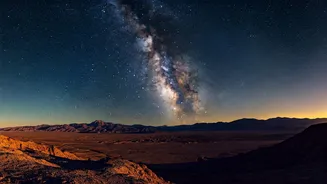



The Veil of Light Pollution
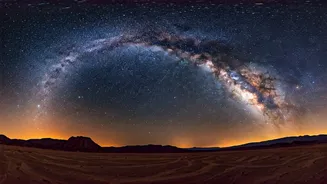
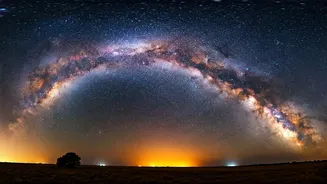
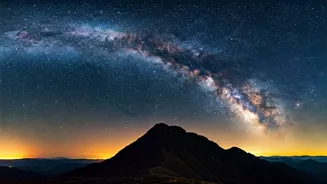
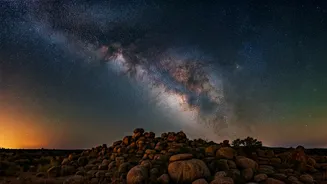
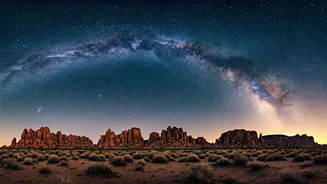
For most of human history, a sky glittering with thousands of stars was a universal experience. It inspired myths, guided travellers, and sparked scientific curiosity. Today, for over 80% of the world's population, that view has been erased by light pollution.
The excessive and misdirected artificial light from our cities creates a luminous fog, or 'sky glow', that washes out all but the brightest celestial objects. This not only robs us of a profound connection to the cosmos but also disrupts ecosystems and affects human health. Escaping this veil isn't just about a pretty view; it's about reclaiming a fundamental part of our natural heritage. The good news is, there are still pockets of pristine darkness in India where the universe reveals itself in all its glory.
Hanle, Ladakh: India's First Dark Sky Reserve
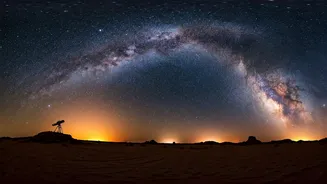
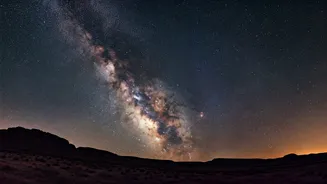
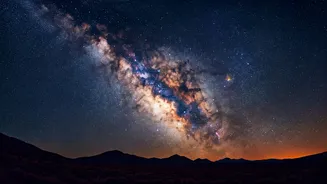
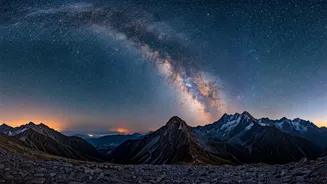
If you're serious about stargazing, this is the ultimate destination. Located in the cold desert of Ladakh, Hanle is home to India’s first-ever designated Dark Sky Reserve. At an altitude of over 4,500 metres, the air is thin, dry, and remarkably clear, offering near-perfect conditions for astronomical observation. The minimal human settlement and commitment from local communities to reduce light spillage ensure an almost pristine night sky. Here, the Milky Way isn't a faint smudge; it's a brilliant, textured band of light stretching from horizon to horizon. The high altitude and clear skies are why the Indian Astronomical Observatory is also situated here. The best time to visit is from May to September when the weather is more forgiving and the skies are clearest.
Spiti Valley, Himachal Pradesh: A Celestial Mountain Desert
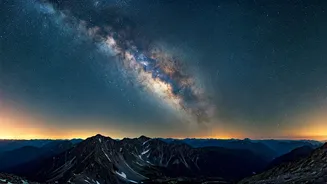
Often called a 'world within a world', the high-altitude desert of Spiti Valley offers some of the most dramatic landscapes and darkest skies in the country. Villages like Komic, Hikkim, and Langza are perched above 4,000 metres, far removed from the glare of urban centres. The region’s isolation is a blessing for stargazers. On a moonless night, the sky transforms into a dazzling spectacle of constellations, nebulae, and shooting stars. The experience of seeing the Milky Way arc over ancient monasteries like Key Gompa is deeply spiritual. The lack of atmospheric and light pollution makes it an ideal spot for astrophotography. Plan your trip between June and October, as heavy snowfall cuts off the valley for the rest of the year.
Coorg, Karnataka: Stargazing in the Ghats
You don't always have to travel to the high Himalayas for a great celestial show. Tucked away in the Western Ghats, Coorg (Kodagu) offers a lush, green escape with surprisingly dark skies, especially if you venture away from the main towns of Madikeri and Virajpet. Find a homestay or a remote coffee plantation, and you'll be rewarded with a beautiful starry canopy. While the humidity can sometimes be a factor, the winter months from December to February provide excellent clarity. It’s a more accessible option for those in South India, proving that you can combine the pleasure of a hill station retreat with the awe of a star-filled night.
Rann of Kutch, Gujarat: The Salt Desert Canvas
Imagine a vast, flat expanse of white salt stretching to the horizon under a dome of infinite stars. That’s the magical experience of stargazing in the Great Rann of Kutch. The sheer emptiness of the landscape means there are no mountains or trees to obstruct your 360-degree view of the cosmos. During the Rann Utsav (typically from November to February), the area becomes a popular tourist destination, but venturing out a little further from the main tent city reveals incredibly dark skies. The cool, dry winter air is perfect for observation. Seeing constellations rise and set over the stark white desert floor is an unforgettable, almost surreal, experience.
Tips for Your Stargazing Trip
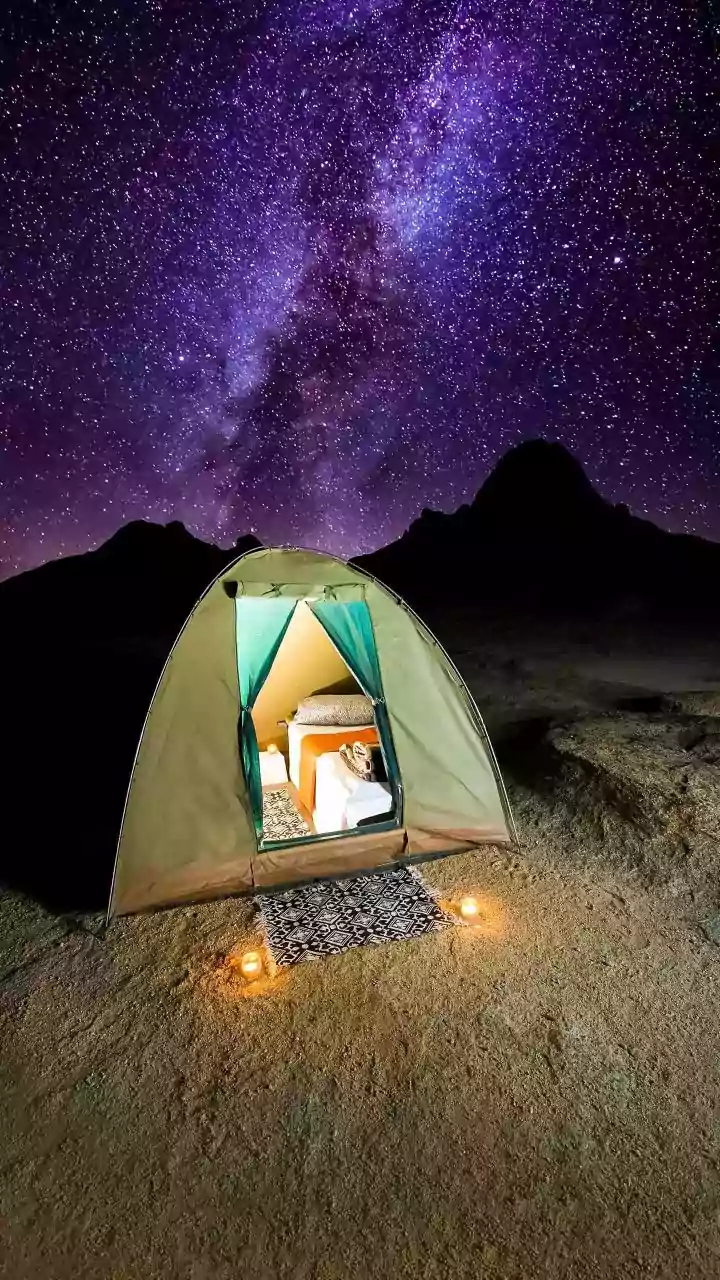
Before you head out, keep a few things in mind to make the most of your cosmic adventure. First, check the lunar calendar and plan your trip around the New Moon, when the sky is at its darkest. Download a stargazing app like Stellarium or SkyView to help you identify constellations and planets. Most importantly, allow your eyes 20-30 minutes to fully adapt to the darkness; avoid looking at your phone screen. If you need a light, use a red torch, as red light is less disruptive to your night vision. Finally, pack warm clothes, even in summer, as nights can get chilly in remote locations.