




The Search for Cleaner Air
For many living in India’s bustling metropolitan hubs, the daily grind comes with a constant companion: pollution. The grey haze, the incessant honking, and the concrete jungles can take a toll on both physical and mental well-being. It's this growing
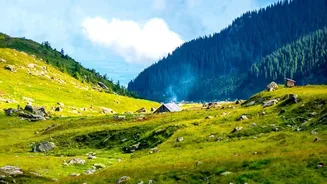
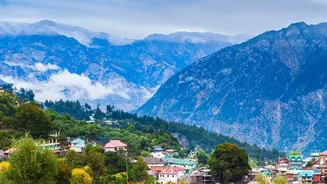
fatigue that has turned quiet, unassuming Himalayan hamlets into sanctuaries for the soul. Shoja and Tirthan Valley, nestled in the Kullu district, have emerged as prime destinations for those seeking to trade smog for serenity. Unlike commercialized hill stations, these valleys offer an authentic connection with nature, where the only sounds are the rustling of leaves and the gurgling of crystal-clear streams.
Tirthan Valley: A Riverside Paradise
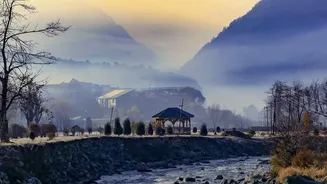
Tirthan Valley, named after the pristine river that flows through it, is the gateway to the Great Himalayan National Park (GHNP), a UNESCO World Heritage Site. This eco-zone is a haven for nature lovers. The air here is crisp and invigorating, a stark contrast to the heavy atmosphere of urban centers. The valley’s primary allure is the river itself, famous for its abundant trout population, making angling a popular and meditative activity. Beyond fishing, the area is crisscrossed with trekking trails that lead to hidden waterfalls like Chhoie Waterfall, quaint villages, and panoramic viewpoints. Life here moves at a slower pace, encouraging visitors to unwind on the riverbanks, camp under starlit skies free from city lights, and simply soak in the tranquility.
Shoja: The Quiet Hamlet Above
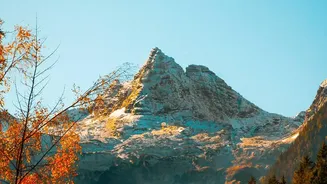
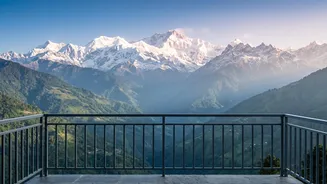
A short drive from Tirthan Valley lies Shoja, a smaller, quieter village that feels like a step back in time. At an altitude of over 2,600 meters, Shoja offers breathtaking panoramic views of the snow-capped Himalayan ranges. Its relative remoteness and lack of heavy motor traffic ensure it remains exceptionally peaceful and pollution-free. The main attractions here are born from nature itself. A key activity is the drive or trek to Jalori Pass, which serves as the starting point for two stunning short treks: one to Serolsar Lake, a serene body of water surrounded by dense oak and deodar forests, and another to the ruins of Raghupur Fort. Shoja is less about a checklist of activities and more about embracing the slow life—taking long walks through pine forests, birdwatching, and enjoying the profound silence.
Embracing Local Life and Homestays
A significant part of the charm in both valleys is the accommodation. Instead of large hotels, the region is known for its warm and welcoming homestays. These family-run establishments offer a genuine glimpse into Himachali culture and hospitality. Staying in a traditional Kath-Kuni style wooden house, eating delicious home-cooked meals made from organic produce, and listening to stories from local hosts adds a rich cultural layer to the experience. This model of sustainable, community-driven tourism not only provides an authentic experience for travelers but also helps preserve the valley's fragile ecosystem by preventing rampant commercialization.
Planning Your Himalayan Reset
Reaching these valleys from cities like Delhi requires a bit of planning. The journey by road takes approximately 12-14 hours. The most common route is to take an overnight bus to Aut, and from there, hire a local taxi or take another bus to Tirthan Valley or Shoja. The best time to visit is during the spring and summer months (March to June) for pleasant weather and lush greenery, or in the autumn (September to November) for clear skies and crisp air. Winters bring snow and can be beautiful, but road access, especially to Jalori Pass, may be restricted. Remember to carry enough cash, as ATMs are scarce, and be prepared for limited mobile connectivity—a perfect excuse for a digital detox.