
Get ready for an unprecedented cultural marathon. Delhi is gearing up to host a massive biennale focused on art and architecture, slated to run for an ambitious 108 days and transform the capital into a sprawling, living exhibition space.
A New Chapter for Indian Art
Delhi is positioning
itself as a global epicentre for creativity with ambitious plans for a recurring, large-scale biennale. The term 'biennale', Italian for 'every other year', refers to a major international art exhibition held every two years. These events, like the famous Venice Biennale, are known for showcasing cutting-edge contemporary art, launching careers, and sparking cultural conversations. The vision for an Indian edition is to create a similar landmark event, one that celebrates the nation's rich artistic heritage while embracing modern and future-facing design philosophies. It’s an effort to create a must-visit global event on the art world calendar, right here in India.
The Significance of 108 Days
The planned 108-day duration is a statement of intent. Most international art fairs and biennales last for a few days or weeks. Extending this event over three months signals a desire to create something more deeply embedded in the city's fabric. This longer timeframe allows for more than just passive viewing. It opens the door for an extensive programme of workshops, artist talks, student-led projects, and performances that can evolve over the course of the event. It encourages repeat visits, allowing residents and tourists alike to experience the exhibitions in different ways and to foster a sustained dialogue around the art and ideas presented. The number 108 also holds deep spiritual and cultural significance in India, adding a layer of symbolic meaning to the event's structure.
A City Transformed into a Gallery
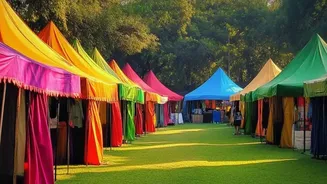
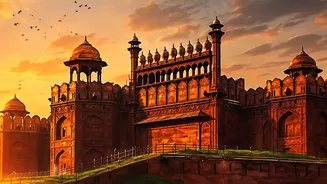
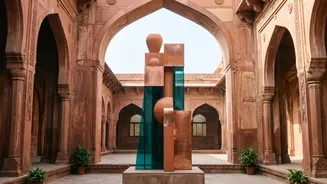
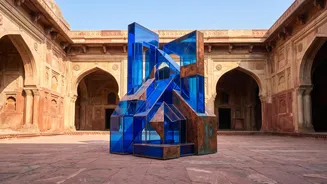
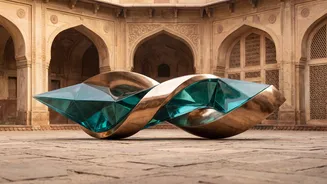
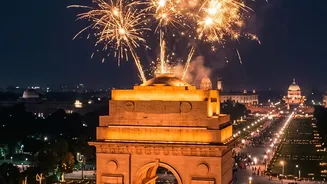
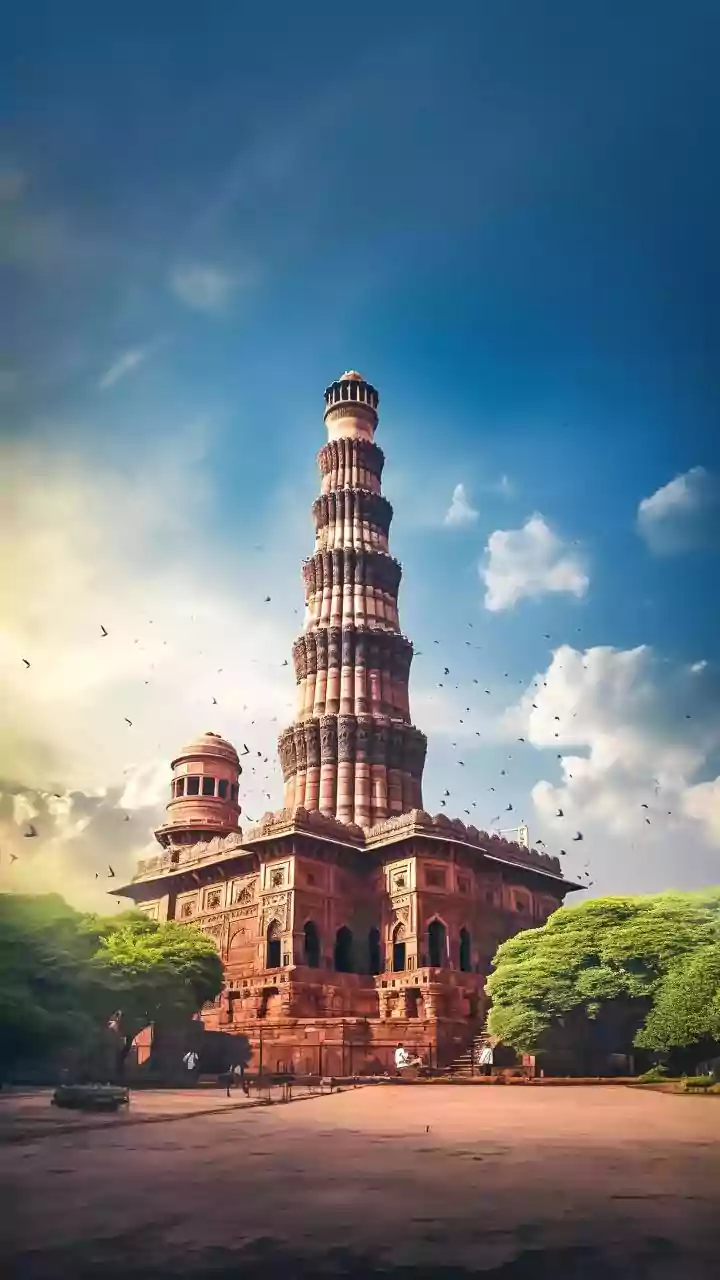
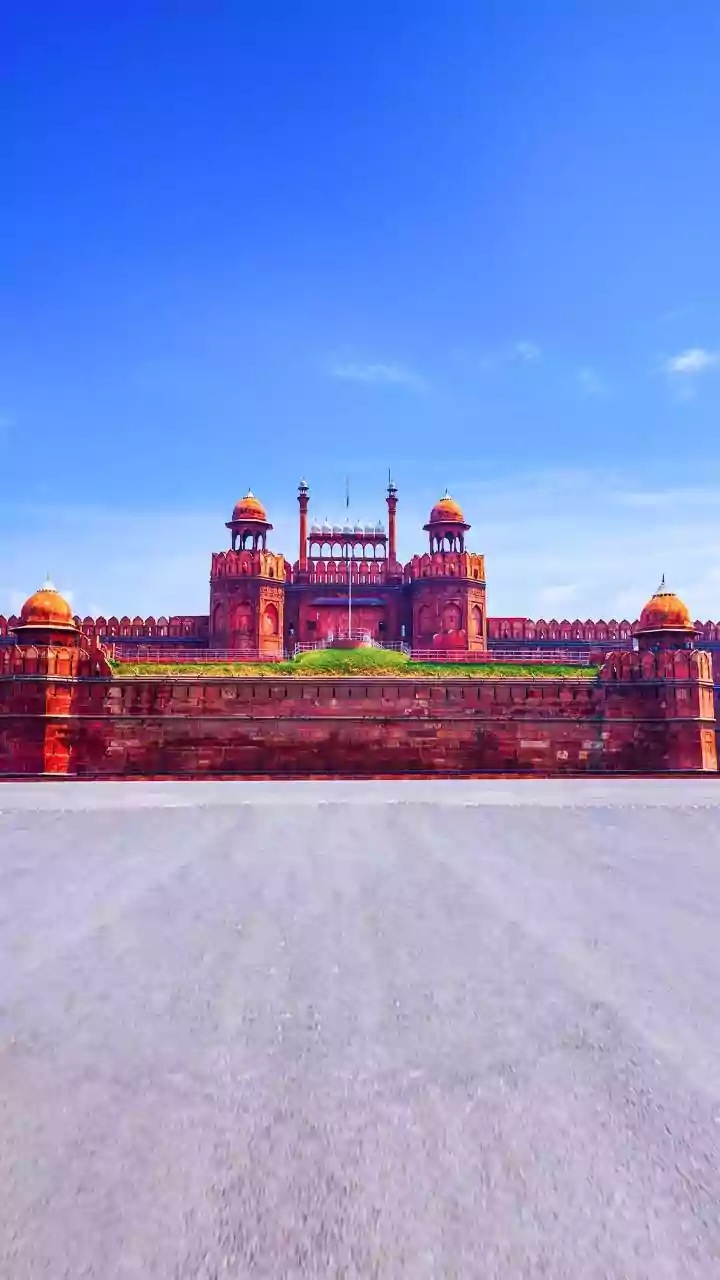
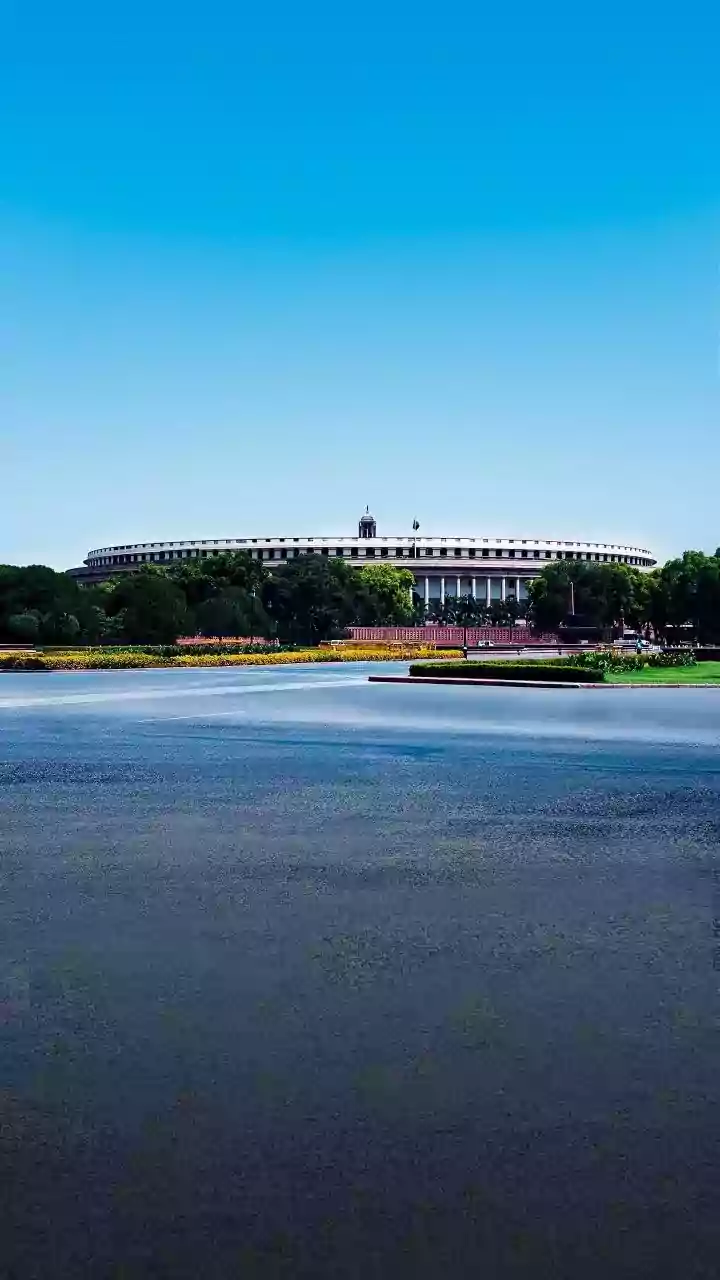
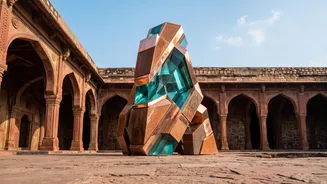
Instead of being confined to a single gallery or convention centre, the biennale is set to unfold across a network of Delhi's most significant cultural venues. This 'decentralised' model turns the entire city into a canvas. Imagine moving from a historical setting like the Red Fort, which hosted parts of the inaugural India Art, Architecture & Design Biennale (IAADB), to modern galleries and repurposed industrial spaces. This approach encourages visitors to explore different parts of the capital, creating a journey of discovery that links art with the urban environment. The plan leverages existing landmarks and institutions, activating them in new and exciting ways, making art accessible to a much broader audience beyond the typical gallery-goer.
Connecting Art and Architecture
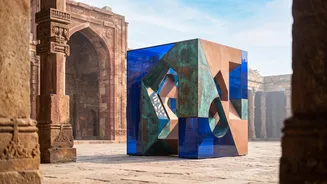
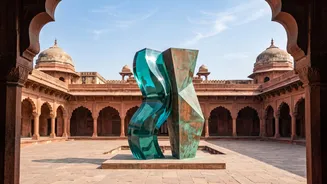
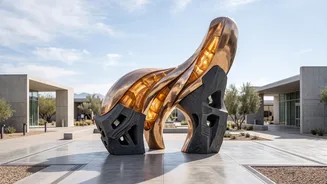
The dual focus on art and architecture is another key feature. This interdisciplinary approach recognises that the two fields are deeply connected, shaping the world we live in. Visitors can expect to see everything from contemporary paintings, sculptures, and digital art to innovative architectural models, sustainable design projects, and explorations of urbanism. This blend promises a richer, more holistic experience. It encourages a conversation about how we build our spaces and how the art within them reflects our society's values and aspirations. It’s a chance to see how architects are tackling issues like sustainability and density, and how artists are interpreting our rapidly changing world.
Why This Event Matters for Delhi
For Delhi, hosting such a biennale is about more than just art; it's a strategic move to cement its status as a leading cultural capital. Building on the foundation of events like the IAADB, this expanded biennale aims to boost tourism, energise the local creative economy, and provide a powerful platform for Indian artists and designers to engage with an international audience. By activating public spaces and drawing global attention, it has the potential to redefine Delhi's image, showcasing it as a city of immense historical depth and vibrant contemporary culture. It represents a significant investment in the country's soft power, celebrating Indian ingenuity and creativity on the world stage.