





The Rise of Astrotourism
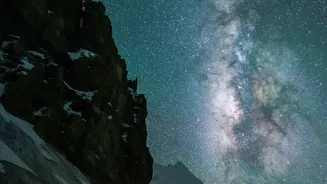
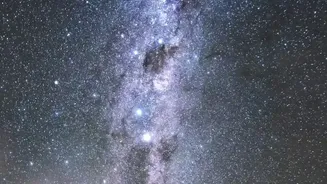
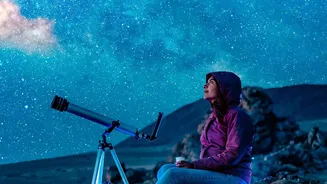
Astrotourism, or travelling for the purpose of stargazing, is a growing global trend for those seeking to escape the light-polluted skies of urban centres. It’s about finding places where the cosmos reveals itself in full glory, offering views of the Milky
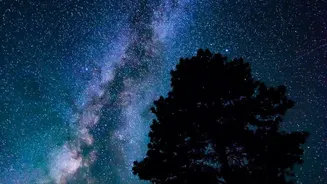
Way, meteor showers, and distant galaxies. The key ingredients are high altitude, clear air, and minimal artificial light. High-altitude locations mean a thinner atmosphere, which results in less distortion and a sharper view of the stars. Combined with the dry, clean air found in mountain deserts, these conditions create a natural planetarium. This unique form of tourism not only offers a breathtaking experience but also inherently promotes the conservation of one of our most overlooked natural resources: the dark.
Himachal's Celestial Sanctuaries
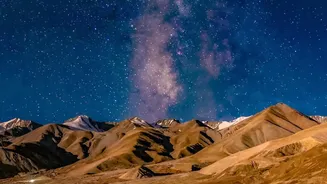
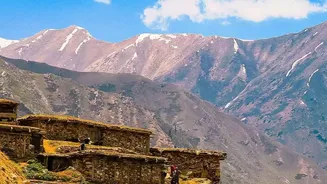
Himachal Pradesh is uniquely positioned to be a leader in Indian astrotourism. The remote Spiti Valley, in particular, has emerged as a premier destination. Sitting at an average altitude of over 12,000 feet, this cold desert region boasts more than 250 clear nights a year and near-zero light pollution. Villages like Kaza, Kibber, Langza, and Hikkim have become hotspots where the Milky Way is often visible to the naked eye. Other accessible destinations like Jibhi in the Tirthan Valley also offer fantastic stargazing opportunities with a good balance of dark skies and comfortable amenities. Locations such as Chandratal Lake, Hatu Peak, and Prashar Lake further cement the state's reputation as a haven for astronomers and casual sky-gazers alike.
Community Empowerment Through the Cosmos
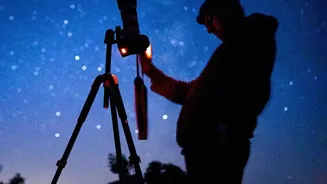
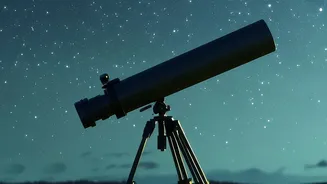
What truly sets Himachal’s approach apart is its focus on community-led initiatives. In July 2025, the state government launched a stargazing facility in Kaza, Spiti, specifically designed to empower local communities. The initiative, coordinated by the Himachal Pradesh Council for Science, Technology & Environment (HIMCOSTE), involves providing high-end computerized telescopes and training to local youth, homestay owners, and aspiring guides. Residents from villages like Kaza, Langza, and Rangrik are being trained to conduct guided night-sky observation sessions for tourists. This model turns the region's natural astronomical advantage into a sustainable source of income, directly benefiting the tribal economy and encouraging entrepreneurship. A formal agreement between HIMCOSTE, the Central University of Himachal Pradesh, and the Indian Institute of Astrophysics ensures ongoing scientific and technical support for the project's long-term success.
The Practical Side of Stargazing
For travellers, this translates into a unique and immersive experience. Instead of just happening upon a dark sky, visitors can now engage in structured astro-tours. Local homestays are increasingly becoming astro-friendly, equipped not just with telescopes but also with trained hosts who can point out constellations and share local celestial lore. This approach integrates science with culture, offering a richer travel experience that goes beyond simple sightseeing. It creates an entire ecosystem where hotels, guides, and local businesses are all involved in the conservation and celebration of the night sky. Initiatives like AstroTribe are also working in the region to train students and create a digital platform connecting guides with tourists, further strengthening the local astro-economy.
Preserving the Darkness for the Future
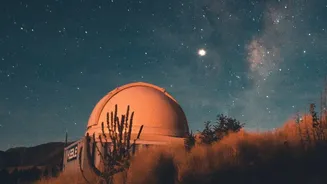
By making the dark sky a valuable economic asset, Himachal is creating a powerful incentive for its preservation. The rise of astrotourism naturally leads to greater awareness about the harmful effects of light pollution. As communities begin to see the economic benefits of maintaining pristine skies, they are more likely to adopt dark-sky-friendly practices, such as using shielded lighting and minimizing unnecessary outdoor lights. While India's first official Dark Sky Reserve is in Hanle, Ladakh, the community-driven model in Himachal is creating a grassroots movement for conservation. This approach proves that tourism, when managed thoughtfully, can be a powerful force for protecting the environment. It positions Himachal not just as a place to see the stars, but as a region actively working to ensure they remain visible for generations to come.