


Beyond the Majestic Scenery
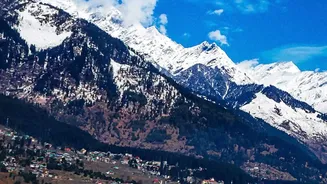
Any visitor to Kalpa and the Sangla Valley is immediately struck by the grandeur of the landscape. Snow-dusted peaks dominate the skyline, and the Baspa River carves a dramatic path through lush forests. But to only look at the mountains is to miss the heartbeat
of this unique region in Himachal Pradesh. The real magic unfolds when you slow down and immerse yourself in a culture shaped by altitude and tradition. It’s a place where tourism hasn't erased the authentic character; villages still feel like villages, and life moves with the seasons, from the apple blossoms of spring to the snowy solitude of winter. This cultural fabric, a peaceful blend of Hinduism and Tibetan Buddhism, is what elevates a simple sightseeing trip into a deeply memorable experience.
A Taste of the High Mountains
The cuisine of Kinnaur is a direct reflection of its rugged environment. The staple diet is built around hardy grains like buckwheat and barley, which are transformed into comforting and nutritious dishes perfect for the cool climate. One of the most famous local dishes is 'siddu', a steamed wheat bun filled with poppy seeds, walnuts, or lentils and served with a generous helping of ghee and chutney. Another must-try is 'chilra' or 'poli', a savoury pancake made from buckwheat flour, often eaten for breakfast. Due to the proximity to Tibet, hearty noodle soups like 'thukpa' are also a local favourite. And no culinary exploration is complete without tasting the famous Kinnauri rajma, known for its distinct flavour and soft texture, best enjoyed with rice. These are not just meals; they are generations of tradition served on a plate.
The Unique Charm of Village Life
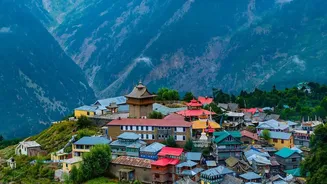
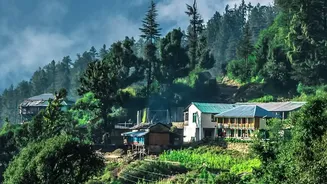
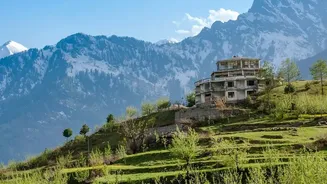
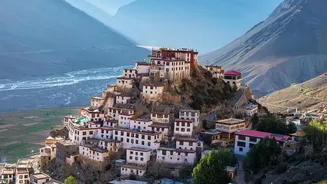
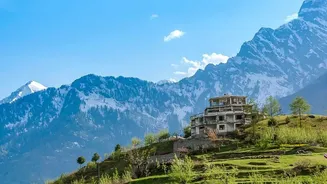
To truly understand Kalpa and Sangla, you must walk through their villages. Settlements like Rakchham, Batseri, and Roghi offer a glimpse into a life that is both peaceful and resilient. The architecture itself is a defining feature. Many homes are built in the traditional 'Kath-Kuni' style, an ingenious method of interlocking layers of stone and wood without mortar, designed to withstand earthquakes. These beautiful wooden houses with slate-tiled roofs are often surrounded by apple and apricot orchards, which are central to the local economy. Strolling through these villages, you will find ancient temples with intricate wood carvings standing near serene Buddhist monasteries, a testament to the region’s harmonious cultural blend. The pace is unhurried, inviting you to simply observe, listen, and connect.
Connection Through Cuisine and Conversation
The best way to experience the local culture is by staying in a family-run homestay. This is where food becomes a bridge to connection. Sharing a meal prepared in a home kitchen offers insights that no restaurant can provide. Conversations over a cup of herbal tea or a plate of freshly made siddu reveal stories about local life, farming, and traditions. Even the small, local dhabas and cafes in Kalpa, Sangla, and Chitkul offer an authentic taste and a chance to interact with residents. It is in these simple, unscripted moments—learning about the apple harvest, watching a weaver at their loom in Batseri village, or just sharing a smile—that the journey finds its true meaning.
How to Immerse Yourself
To make the most of your trip, plan to travel slowly. Instead of rushing between viewpoints, dedicate time to exploring on foot. Take the gentle walks through orchards and along the river banks. Prioritise staying in homestays or guesthouses run by local families to gain an authentic experience. When you visit temples and monasteries, do so respectfully. Be genuinely curious and open to conversation with villagers, but always be mindful of their privacy, especially when it comes to their homes and private orchards. Seek out small, local eateries and ask for traditional dishes. By showing interest in their food and way of life, you move from being a tourist to becoming a welcome guest.