



The Enduring Legacy of 2023
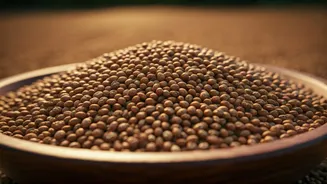
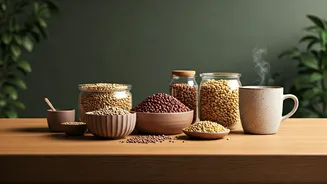
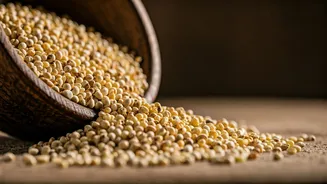
The United Nations, at the behest of India, declared 2023 the International Year of Millets (IYM), creating a significant global buzz. This initiative successfully raised awareness about the nutritional superiority and climate adaptability of these ancient
grains. It wasn't just a year-long campaign but a catalyst that set in motion a series of long-term strategies. The goal was to mainstream millets in domestic and global food baskets, motivating farmers, startups, and governments to invest in their production, processing, and promotion. The momentum from IYM continues to influence policy and consumer behaviour, laying a robust foundation for the years to follow.
A Sustained Push from the Government
The Indian government's focus on millets, or 'Shree Anna', didn't end with 2023. Multiple schemes are actively promoting their cultivation and consumption. The National Food Security & Nutrition Mission (NFSNM) is being implemented across 28 states to increase millet production through area expansion and productivity improvements. For the 2026-27 marketing season, the government has already increased the Minimum Support Price (MSP) for several Kharif crops, including millets like Jowar, Bajra, and Ragi, ensuring farmers get a fair price and encouraging cultivation. Furthermore, schemes like the Production Linked Incentive (PLI) for the food processing industry have a dedicated component for millet-based products, with an outlay of Rs. 800 crores running until FY 2026-27 to boost value addition and exports.
The Rise of the Milletpreneur
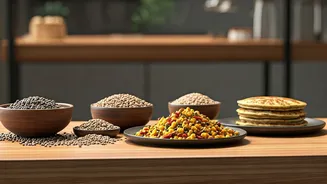
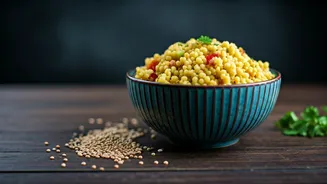
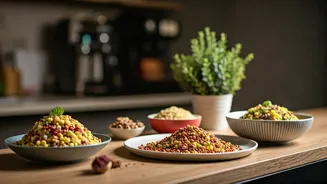
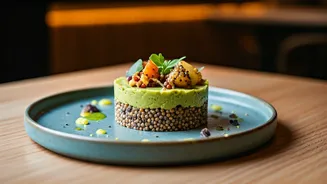
The policy push is being met with fervent activity in the private sector. A new wave of 'milletpreneurs' is transforming how these grains are consumed. Startups are innovating with an array of ready-to-eat and ready-to-cook products, from breakfast cereals and snacks to pasta and dosa batters. Government-backed incubators like Nutrihub at the Indian Institute of Millets Research (IIMR) are providing crucial support, offering grants of up to ₹25 lakhs, mentorship, and market access to promising startups. This has created a vibrant ecosystem; in Karnataka alone, over 3,500 millet processing units are now operational, supported by schemes like the PM Formalisation of Micro Food Processing Enterprises (PMFME). These efforts are making millets more convenient and appealing to urban consumers, moving them from a traditional staple to a modern superfood.
A Smart Solution for a Changing Climate
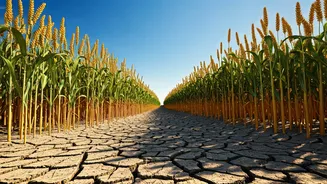
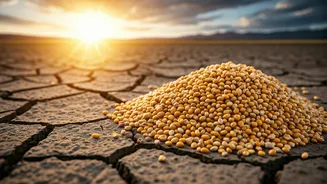
Millets are increasingly recognised as a critical crop for climate-resilient agriculture. These hardy grains require significantly less water than staples like rice and wheat—in some cases, less than 30%—and can thrive in arid conditions and on marginal lands. As climate change brings more erratic monsoons and rising temperatures, the natural resilience of millets makes them a secure option for farmers. Latest sowing data for the 2026 Kharif season already shows a strong expansion in the acreage of coarse cereals, including a significant increase in Bajra (pearl millet) cultivation. This indicates that the government's promotion of climate-resilient crops is influencing planting decisions, positioning millets as a key component of India's food security strategy.
Tapping into Global Demand
The millet wave is not just a domestic phenomenon. India, as one of the world's largest producers, is well-positioned to meet a growing global appetite for healthy, gluten-free, and sustainable foods. Export trends show a significant structural shift, with millet shipments from India going to over 150 countries. Government agencies like APEDA are actively supporting this growth. Through initiatives like the BHARATI programme, APEDA is nurturing startups to be export-ready, even facilitating participation in global trade fairs like Gulfood 2026. This has already yielded results, with startups securing orders for millet products from markets like Oman, Japan, and Dubai. With government schemes aiming to significantly boost export volumes, 2026 is shaping up to be a year where Indian millets make a stronger mark on the world stage.