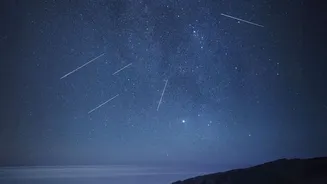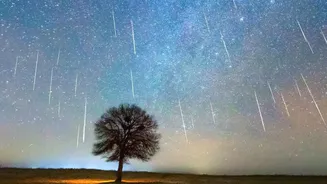





What are the Perseid Meteors?
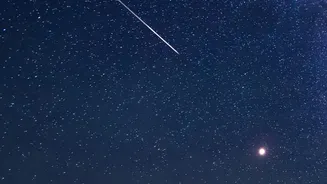
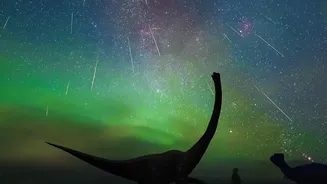
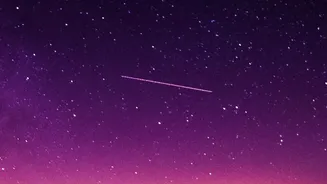
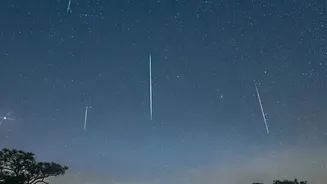
The Perseids are one of the most beloved meteor showers of the year, known for producing bright, fast-moving meteors and even the occasional fireball—a larger, more brilliant explosion of light. They are not stars, but tiny particles of space debris left
behind by the Comet Swift-Tuttle. Each August, as Earth passes through this dusty trail, the particles burn up upon entering our atmosphere, creating the streaks of light we call meteors or 'shooting stars'. They are named 'Perseids' because they appear to radiate from a single point in the constellation Perseus.
The Prime Viewing Window for India
The shower is active from mid-July to late August, but the absolute best time to watch is during its peak. For India, the peak activity is expected on the night of August 12 and into the pre-dawn hours of August 13, 2026. While the technical peak occurs on August 13, the most practical viewing window will be from midnight on August 12 until just before sunrise on August 13. The hours between 2:00 AM and 4:30 AM IST are considered ideal, as the radiant point in the Perseus constellation will be higher in the sky, increasing the number of visible meteors.
The Good News: A Perfectly Dark Sky
This year's viewing is set against a backdrop of perfect astronomical conditions. The peak of the shower coincides with a new moon on August 12. This means the sky will be completely free of moonlight, which typically washes out fainter meteors. A moonless sky is a significant advantage, as it allows for the highest possible number of meteors to be seen. Under ideal, dark-sky conditions, viewers might spot anywhere from 50 to 100 meteors per hour during the peak.
The Challenge: Navigating Monsoon Clouds
The primary obstacle for most skywatchers in India is the weather. August is the heart of the monsoon season, and widespread cloud cover is a major concern. The India Meteorological Department (IMD) has forecast below-normal rainfall for much of the country in August, but this doesn't guarantee clear skies. Even on a rainless night, thick cloud banks can completely obscure the celestial show. Your ability to see the meteors will depend almost entirely on the local, last-minute weather forecast. Heavy rainfall is expected in the northeast, which will likely make viewing impossible there.
Best Locations to Beat the Clouds
To maximize your chances, you need to find a location that is not only dark and away from city lights but also has a higher probability of clear skies. The most recommended spots are in rain-shadow regions that are less affected by the monsoon. High-altitude deserts like Ladakh and the Spiti Valley in Himachal Pradesh are considered the best bets, offering clear, dry air. Hanle in Ladakh, home to India's first Dark Sky Reserve, provides world-class viewing conditions. Other potential locations include the arid expanses of Western Rajasthan, such as near Jaisalmer, and the Rann of Kutch in Gujarat.
Tips for a Successful Viewing
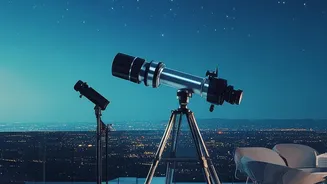
If you find a clear patch of sky, no special equipment is needed—the shower is visible to the naked eye. Find a safe, open space far from city and household lights. Lie down on a blanket or reclining chair to get a wide view of the sky without straining your neck. Give your eyes at least 20-30 minutes to fully adjust to the darkness; this will help you spot the fainter meteors. Don't just look toward the Perseus constellation; the meteors will appear all over the sky. Finally, be patient. Meteor showers are a game of chance, with streaks of activity followed by lulls.