



The Philosophy of 'Flow-Based' Storage
The core idea is simple: store items at their 'point of use'. Instead of having one central place for everything, this method encourages you to place things exactly where you need them, when you need them. Think about your natural path through your home
from the moment you wake up until you go to bed. Where do you make coffee? Where do you drop your keys? Where do you relax with a book? This approach, sometimes called 'zone organizing', is about making your storage work for your lifestyle, not the other way around. It reduces the friction of daily tasks, saves precious time looking for misplaced items, and makes tidying up a natural, almost subconscious, part of your routine. The goal is to create a home that flows with you, making everyday life smoother and more efficient.
The Morning Rush: Kitchen and Entryway
Mornings are often the most chaotic part of the day. To streamline this period, focus on your kitchen and entryway. In the kitchen, group all your morning beverage supplies together. Your coffee beans, grinder, mugs, and sugar should live right next to your coffee maker. If you're a tea drinker, create a similar station. Keep breakfast essentials like oats, bowls, and spoons in one easily accessible cabinet. For the entryway, create a 'launch pad'. This is a designated spot for everything you need before walking out the door. Install a few hooks for keys and bags, a small dish for wallets and sunglasses, and a shoe rack directly by the door. This simple setup prevents the frantic last-minute search for your essentials and stops clutter from migrating further into your home.
Midday Functionality: Living and Work Zones
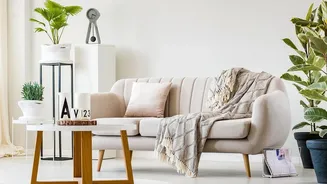
As the day progresses, your needs shift towards work, chores, and relaxation. If you work from home, even without a dedicated office, you can create a mobile 'work zone'. Use a rolling cart or a designated basket to hold your laptop, chargers, notebooks, and pens. At the end of the workday, you can easily tuck it away, allowing your living space to transform back into a place of rest. For your living area, keep items related to relaxation within arm's reach of where you lounge. A small basket next to the sofa can hold the TV remote, your current book, reading glasses, and a charger. This prevents your coffee table from becoming a cluttered drop-zone. By storing items where they are used, you make both using them and putting them away effortless.
Winding Down: Bedroom and Bathroom Sanctuaries
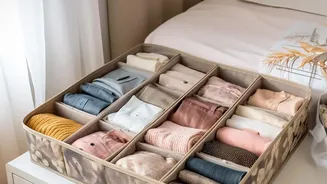
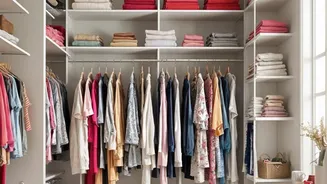
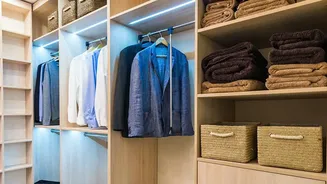
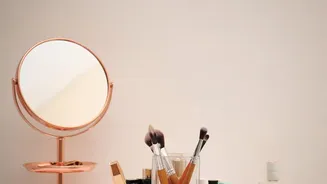
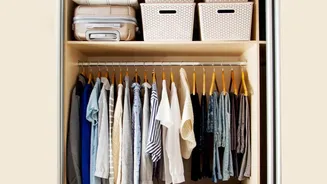
Your evening routine should be about calming down and preparing for rest. Your storage can either help or hinder this process. In the bathroom, declutter your counter by focusing on point-of-use storage. Use a small tray for daily skincare items and store everything else in drawers or cabinets. Consider what you need for your nightly routine and keep only those items visible. In the bedroom, your nightstand is prime real estate. It should hold only what you need for winding down and waking up: a lamp, your alarm, a glass of water, and perhaps a book. Keep chargers tidy with cord organizers. Store extra blankets in a chest at the foot of the bed or in under-bed storage containers. The goal is to create a serene environment, and that starts with having a clear, purposeful space free of the day's accumulated clutter.
The Payoff: A Calmer Mind and More Free Time
Adopting a movement-based storage system does more than just organize your belongings; it organizes your life. When your environment is intuitive, you spend less mental energy on mundane decisions like where to find the scissors or where to put the mail. This reduction in 'decision fatigue' frees up mental space for more important things. A home where everything has a logical place is easier and faster to clean, giving you back valuable time. It creates a sense of calm and control, which is especially important in the tight quarters of a small home. The feeling of being 'settled' in your space is a powerful antidote to the stress of a busy life. By observing your daily habits and adjusting your storage accordingly, you're not just decluttering your home—you're simplifying your life.