
From Trash to Treasure
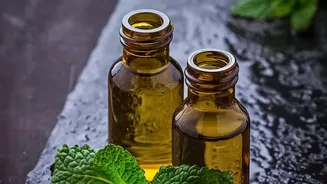
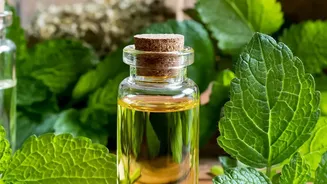
Every time you pluck the leaves from fresh herbs, you’re likely left with a pile of perfectly good stems. While we often discard them, these stems are packed with the same essential oils and aromatic compounds as the leaves. By infusing them into oil,
you not only reduce food waste but also create a custom culinary ingredient for pennies. This simple act is a win for your wallet, your palate, and the planet. Instead of contributing to the compost pile, you’re creating a flavour-packed base for dressings, marinades, or a finishing drizzle over your favourite dishes. It's a small but satisfying step towards a more sustainable and delicious way of cooking.
What You Will Need
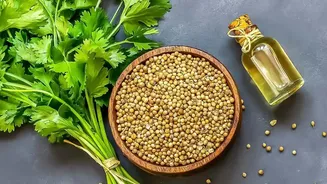
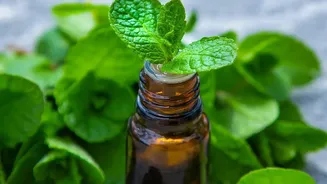
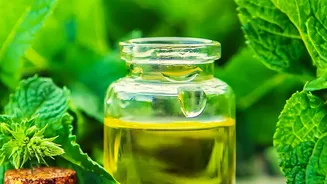
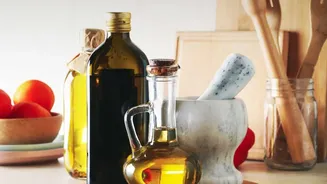
The beauty of this project lies in its simplicity. You don't need any fancy equipment, just a few kitchen staples. Before you begin, gather the following: A generous handful of leftover coriander and mint stems: Make sure they are washed thoroughly and, most importantly, completely dry. Water is the enemy of infused oil and can encourage spoilage. A neutral-flavoured oil: A light olive oil, sunflower oil, or grapeseed oil works best. You want a carrier that allows the herb flavours to shine through without overpowering them. A clean, dry glass jar or bottle with a tight-fitting lid: Sterilising the jar by boiling it for 10 minutes is a good practice to eliminate any residual pathogens. A saucepan: This is for the hot infusion method, which is the quickest way to get flavour into your oil.
The Quick Hot Infusion Method
This method uses gentle heat to quickly extract the aromatic oils from the herb stems. It’s efficient and yields a flavourful oil in under an hour. 1. Prepare the Stems: Roughly chop or gently bruise the clean, dry coriander and mint stems. This helps to release their essential oils more effectively. 2. Heat the Oil: Pour about one to two cups of your chosen oil into a saucepan. Add the prepared stems. 3. Gentle Warming: Heat the oil over a very low flame. You are not trying to fry the stems. The goal is to gently warm the oil to around 65°C (150°F). You should see tiny bubbles, but it should not be sizzling aggressively. Let it infuse gently for 5 to 10 minutes, stirring occasionally. The kitchen will start to smell wonderful. 4. Cool and Steep: Turn off the heat and allow the oil to cool completely with the stems still inside. This allows the flavours to continue melding as the temperature drops. 5. Strain and Store: Once completely cool, pour the oil through a fine-mesh sieve or cheesecloth into your sterilised storage bottle. Discard the spent stems.
A Note on Food Safety
While making infused oil is straightforward, proper storage is critical to prevent the growth of harmful bacteria, specifically Clostridium botulinum, which can cause botulism. This risk is highest when fresh, low-acid ingredients like herbs are stored in an oxygen-free oil environment at room temperature. For maximum safety, homemade infused oils made with fresh ingredients should always be stored in the refrigerator and used within a week. For longer-term storage, you can freeze the oil in ice cube trays. Always check the oil before use; if it appears cloudy, smells off, or shows any signs of mould, discard it immediately.
How to Use Your Herb Oil
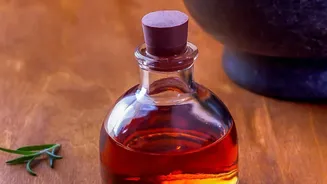
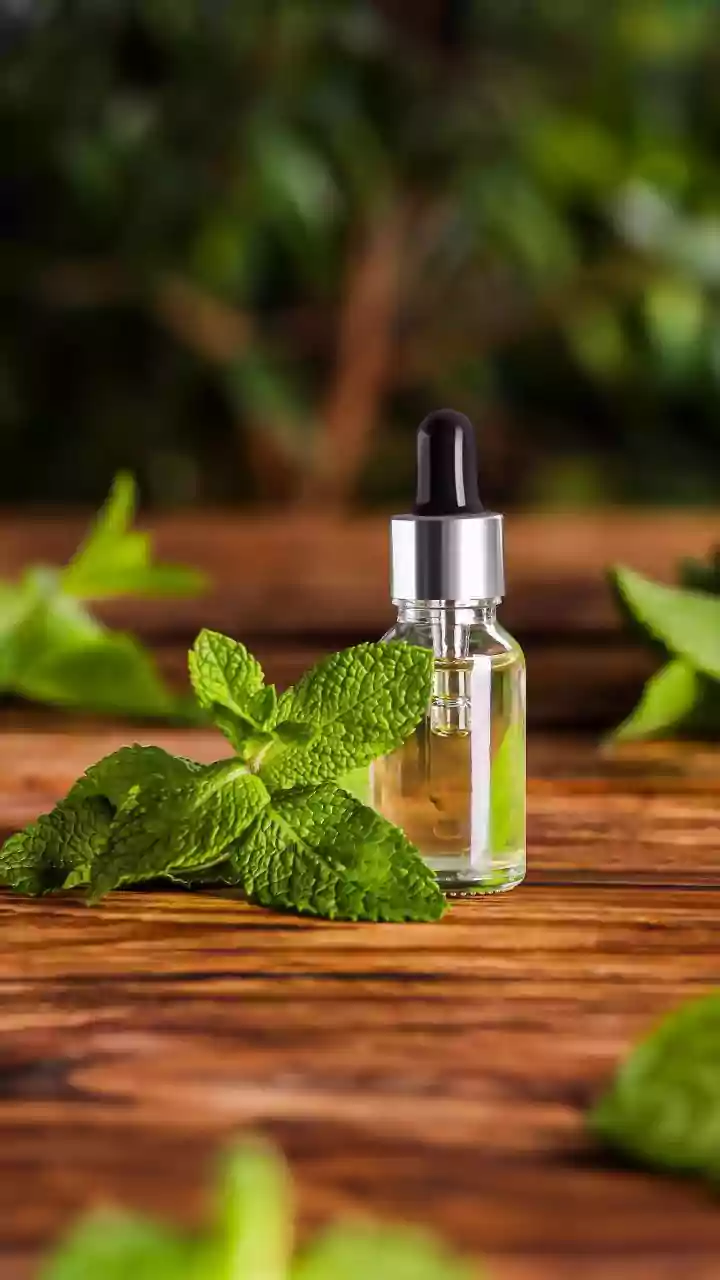
Now for the fun part. This vibrant, aromatic oil is incredibly versatile. Its bright, zesty flavour from the coriander, paired with the cooling notes of mint, makes it a fantastic finishing oil. Drizzle it over grilled chicken, lamb, or fish to add a burst of freshness. Use it as a base for a simple vinaigrette with a splash of lemon juice or white wine vinegar for a refreshing salad dressing. It's also perfect for dipping crusty bread, drizzling over roasted vegetables, or stirring into soups and grain bowls just before serving. You can even use it to add a subtle herbal note to marinades for meat or seafood.