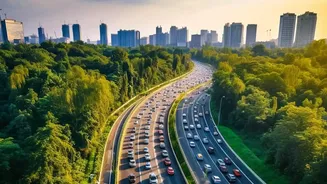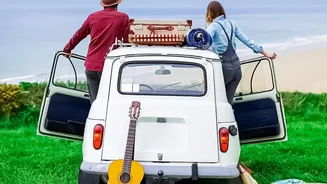


The weekend traffic out of India's major cities tells a new story. It’s no longer just about the daily commute; it’s an exodus of explorers. Rising car ownership is fuelling a boom in short, spontaneous driving trips away from the urban grind.
The Engine of Escape
The dream
of owning a car is accelerating across India, and it's reshaping more than just city traffic. Driven by rising incomes, easier access to financing, and a post-pandemic desire for personal mobility, passenger vehicle sales are hitting record highs. In October 2026 alone, domestic passenger vehicle dispatches were estimated to be between 5.25 and 5.3 lakh units, a significant jump from the previous year. This surge, dominated by a strong preference for SUVs, isn't just about getting from point A to B. For a growing number of urban families, the car has become an enabler of freedom and a ticket to a new kind of leisure: the weekend road trip. This trend is not just about having the means, but also the mindset. Car ownership is now seen as a key to unlocking experiences beyond the city limits.
Fleeing the Concrete Jungle
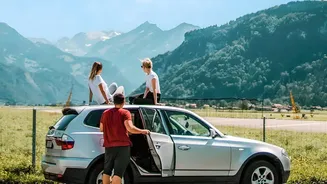
Life in India's metropolises is a pressure cooker of deadlines, congestion, and noise. The yearning for a quick escape is stronger than ever. The car provides the perfect solution—a personal, flexible, and safe bubble to transport oneself and loved ones away from the daily grind. This cultural shift is evident in travel data, which shows a significant increase in short trips of under two days, making up 71% of journeys in some reports. People are no longer waiting for long holidays. Instead, they are maximising their weekends, seeking out fresh air, scenic beauty, and tranquility just a few hours' drive away. This trend is especially pronounced around long weekends and festive seasons, which see bookings for self-drive rentals and intercity travel services spike.
The Rise of Drivable Destinations
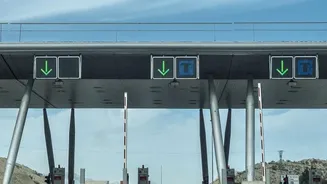
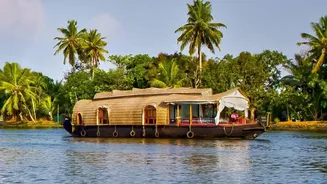
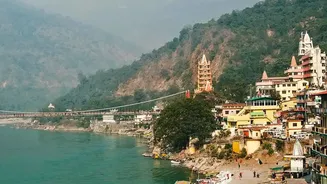
As the demand for quick getaways grows, so does the tourism ecosystem that serves it. A new map of 'drivable destinations' is emerging around India's major urban hubs. Improved highway infrastructure has made routes like Mumbai-Pune, Delhi-Agra, and Bengaluru-Mysuru faster and more convenient than ever. Destinations such as Lonavala and Alibaug from Mumbai, Rishikesh from Delhi, and Coorg from Bengaluru have become weekend staples. These places, typically within a 100-300 km radius, offer a mix of natural beauty, adventure, and relaxation. The hospitality industry has been quick to respond, with a boom in boutique hotels, homestays, and resorts that cater specifically to the road-tripping crowd, offering a comfortable and refreshing break that doesn't require extensive planning.
An Economy on the Move
The impact of this trend extends far beyond the travellers themselves. The weekend exodus creates a powerful economic ripple effect that benefits countless small businesses along the way. From the fuel stations and highway dhabas to local handicraft shops and tour guides at the destination, the drive-tourism economy is a significant, if often overlooked, engine of local growth. This phenomenon signals a decentralisation of tourism spending, moving it away from traditional hotspots and into smaller towns and rural areas that are now accessible by road. This shift not only creates livelihoods but also encourages the preservation of local culture and environments as they become assets for the local tourism trade.
The Road Ahead
While the growth in car ownership and weekend travel signifies rising prosperity and a quest for a better quality of life, it also brings challenges. Increased traffic on key routes, environmental concerns related to vehicle emissions, and the potential for overstourism in fragile ecosystems are issues that need to be addressed. The future of this trend will depend on a balanced approach—one that involves continued investment in better and safer road infrastructure, the promotion of sustainable tourism practices, and perhaps a greater adoption of electric vehicles, which are rapidly gaining consideration among Indian buyers. The journey has just begun, and navigating the road ahead will require careful planning to ensure the drive remains a pleasure, not a problem.