



The Dawn of a New Era
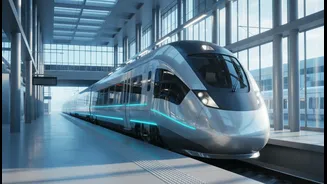
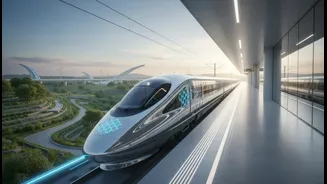
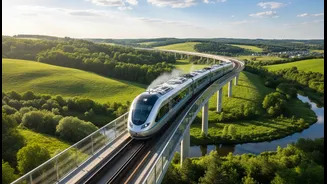
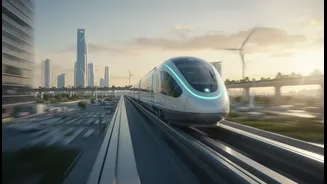
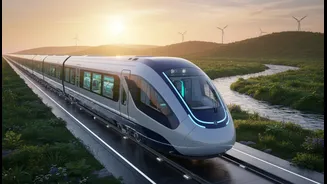
Indian Railways is set to launch the country's first hydrogen fuel cell-powered train on July 17, 2026, with Prime Minister Narendra Modi expected to flag off the inaugural journey. This pioneering service will run on the 90-kilometre Jind-Sonipat corridor
in Haryana. The launch represents a significant leap for India, placing it among a select group of nations like Germany and China that are actively developing hydrogen rail technology. The project, developed indigenously, is a cornerstone of the 'Make in India' initiative and the country's broader Green Transport Mission. After successfully completing extensive trials, including a high-speed test run where it clocked 120 km/h, the train is ready for commercial operations.
How Does a Hydrogen Train Work?
Think of a hydrogen train as a self-contained, rolling power plant. Instead of burning diesel or drawing power from overhead electric lines, it uses hydrogen fuel cells to generate its own electricity. Inside the fuel cell, hydrogen stored in onboard tanks reacts with oxygen from the air in a chemical process. This reaction produces electricity to power the train's motors, with the only by-products being heat and water vapour, making it a zero-emission mode of transport at the point of use. The new Indian train uses a hybrid model, combining the fuel cells with lithium-ion batteries that store excess energy and provide a power boost for acceleration, similar to a hybrid car.
A Practical Path to Cleaner Travel
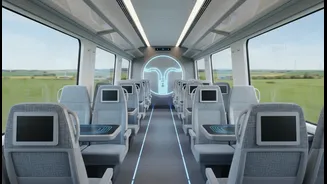
The hydrogen train offers a compelling alternative to diesel on routes where electrification is geographically difficult or too expensive. For passengers on the Jind-Sonipat line, the new service promises a quieter, cleaner, and faster journey, expected to take about one hour compared to two hours by the current diesel service. The 10-coach train, designed by the Research Designs and Standards Organisation (RDSO) and built at the Integral Coach Factory in Chennai, will operate at a service speed of 75 kmph. With fares set at an affordable level, it combines environmental benefits with practical advantages for daily commuters. The initial phase will see the train making two round trips daily, showcasing its viability for regular service.
Fuelling the Future and Facing Challenges
This initiative is a key part of India's National Green Hydrogen Mission, which aims to make the country a global hub for producing and exporting green hydrogen by 2030. The mission targets establishing at least 5 million metric tonnes of green hydrogen production capacity annually. To support the train, a dedicated hydrogen storage and refuelling facility has been established at Jind, licensed to handle compressed hydrogen safely. However, the path ahead has its challenges. The primary hurdle is the cost and scale of producing 'green' hydrogen—which is made using renewable energy—compared to fossil fuels. Building out the necessary infrastructure for production and distribution across the vast railway network will require significant investment and time.