


Kanazawa: The 'Little Kyoto'
Often called 'Little Kyoto', Kanazawa offers the historic charm of its more famous counterpart but with noticeably fewer crowds. Because it was spared from bombing during World War II, its old districts remain beautifully intact. You can wander through
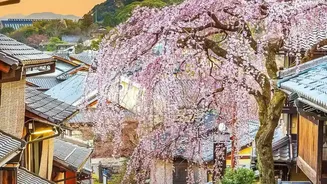
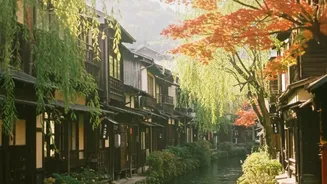
the Nagamachi samurai district, where earthen walls hide the former homes of warriors, or explore the Higashi Chaya district, a preserved geisha quarter with traditional wooden teahouses. Don't miss Kenrokuen, considered one of Japan's three most beautiful landscape gardens, which sits next to the reconstructed Kanazawa Castle. The city is also a hub for crafts and fresh seafood, best experienced at the bustling Omicho Market. Easily reachable by a direct 2.5-hour train from Kyoto or a 3-hour bullet train from Tokyo, it’s a perfect alternative for those seeking history without the hustle.
Naoshima: The Art Island
For art lovers, Naoshima Island is a must-see destination that transforms the Seto Inland Sea into a sprawling outdoor museum. Once a declining industrial island, it was revitalized through a unique partnership that blended contemporary art and architecture with the natural landscape. You'll find major works by artists like Yayoi Kusama, including her famous pumpkins set against the shore. The island is home to world-class museums designed by architect Tadao Ando, such as the Chichu Art Museum, which is built mostly underground to preserve the natural scenery. Getting around is part of the experience, with many visitors renting electric bikes to explore the scattered installations and galleries at their own pace. While it requires a ferry trip from Uno or Takamatsu ports, the journey is rewarded with a peaceful and inspiring escape.
Yakushima: The Enchanted Forest
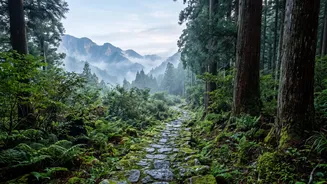
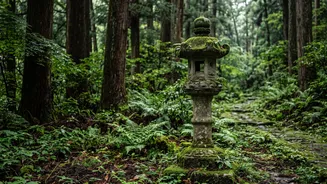
A world away from Japan's urban centres, Yakushima is a subtropical island off the coast of Kyushu, designated a UNESCO World Natural Heritage site. It is often nicknamed the 'Alps of the ocean' for its towering mountains, including Kyushu's highest peak. The island is famous for its ancient cedar trees, or 'yakusugi', some of which are believed to be over a thousand years old. Its moss-covered forests, which receive some of the highest rainfall in the world, were famously an inspiration for the Studio Ghibli film 'Princess Mononoke'. Hiking trails wind through the lush Shiratani Unsuikyo Ravine and lead to breathtaking waterfalls. It's a paradise for nature lovers looking for a truly wild and spiritual experience.
Shirakawa-go: The Fairytale Village
Nestled in the remote mountains of Gifu Prefecture, Shirakawa-go is a UNESCO World Heritage site famous for its traditional gassho-zukuri farmhouses. The name means 'praying hands', a reference to the steep, thatched roofs designed to withstand heavy winter snow. Some of these houses are over 250 years old, and the entire village feels like stepping back in time. While it can get busy, especially during the winter light-up events, visiting on a weekday morning offers a more serene experience. You can explore the village, visit the Wada House for a glimpse into a traditional home, or hike up to the observatory for a panoramic view of the valley. Though not serviced by trains, highway buses make it accessible from cities like Takayama and Kanazawa.
Koyasan: The Sacred Mountain Retreat
For a deeply cultural and spiritual experience, consider an overnight stay on Mount Koya (Koyasan). This temple town is the headquarters of Shingon Buddhism, founded in the 9th century. The main reason travellers venture here is for 'shukubo', or a temple lodging experience. Visitors can stay in one of the many active temples, eat 'shojin ryori' (traditional Buddhist vegetarian cuisine), and are welcome to observe the monks' morning prayer rituals. The atmosphere is quiet and contemplative, especially during an evening walk through Okunoin cemetery, Japan's largest, where lantern-lit paths wind through a forest of ancient cedar trees and countless tombstones. Koyasan offers a profound look into a side of Japan that has remained largely unchanged for centuries.