
The Cosmic Debris of Halley's Comet
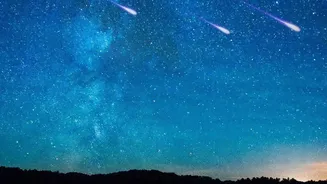
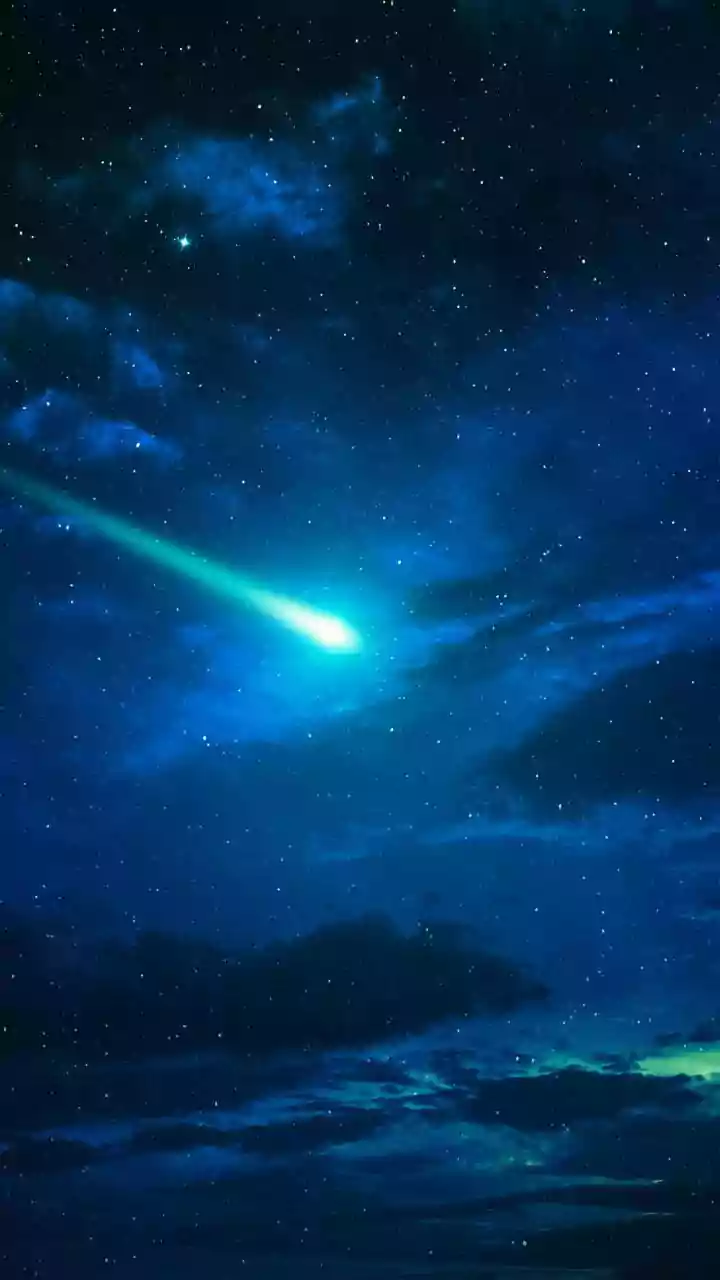
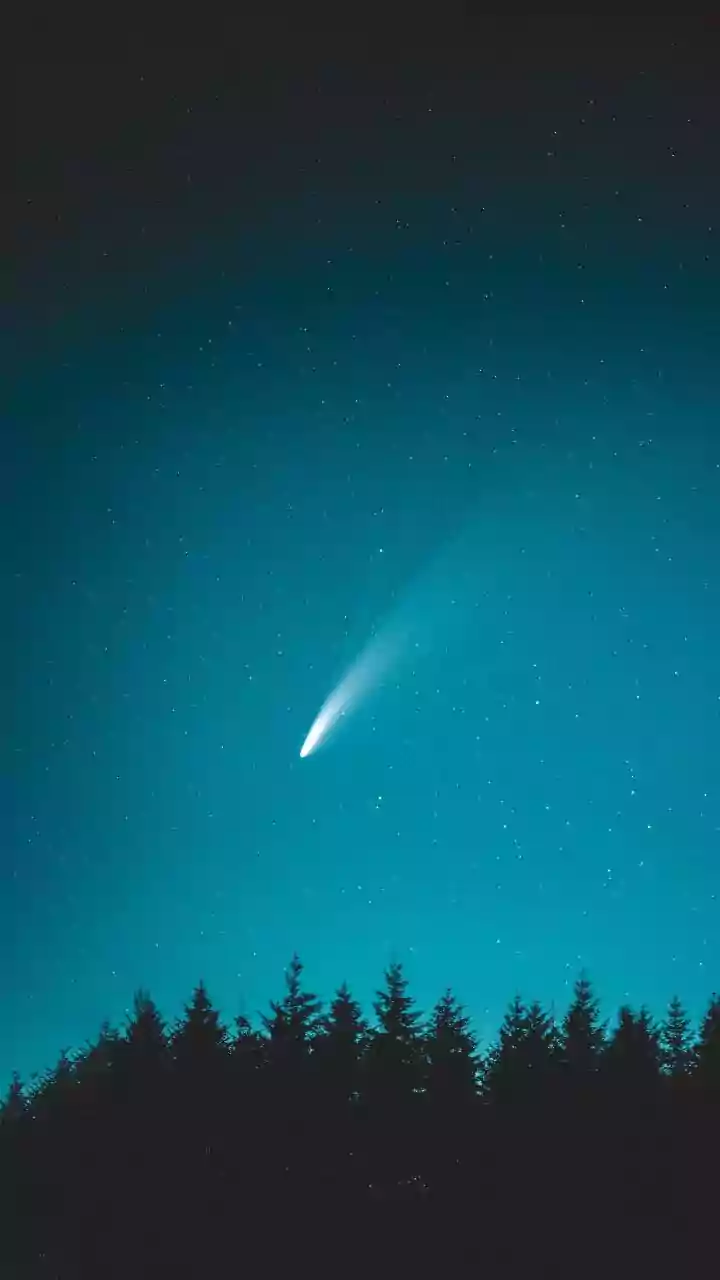
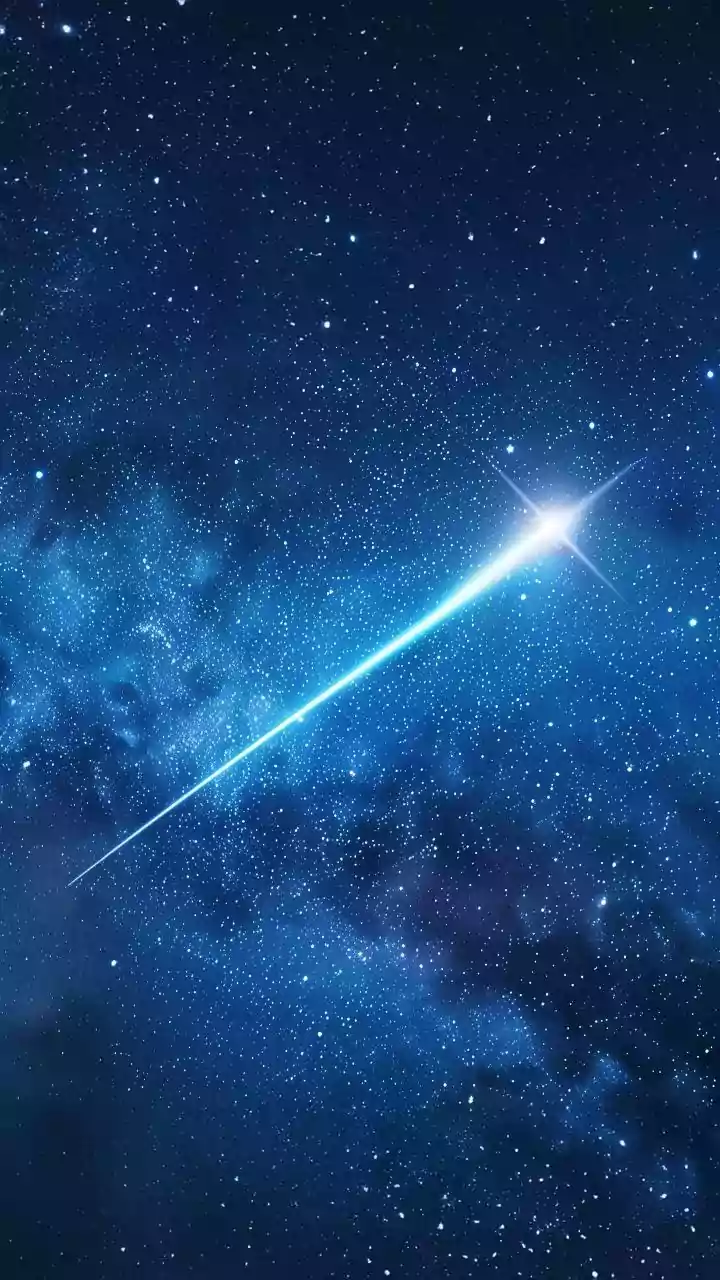
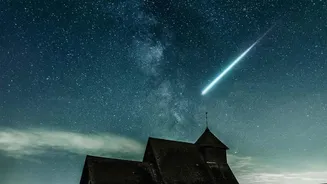
The Orionid meteor shower is an annual celestial event, active from early October to early November. It is caused by Earth passing through the trail of dust and ice left behind by the famous Halley's Comet. These fast-moving meteors, traveling at about
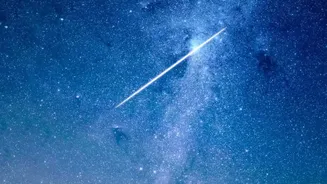
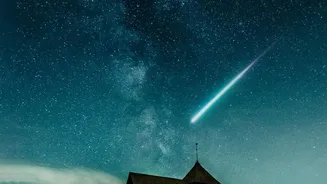
66 kilometres per second, are known for their brightness and can sometimes leave glowing trails that linger for a few moments. In 2026, the shower will peak in the predawn hours of October 21-22. Observers in dark locations might see up to 20 meteors per hour. This year, a bright waxing gibbous Moon will be present, but it sets around 3 a.m. local time, opening a window of dark skies until dawn begins.
Battling the Urban Skyglow
The biggest challenge for any city-based stargazer is light pollution. The combined glow from streetlights, buildings, and vehicles creates a bright haze, or 'skyglow,' that washes out all but the brightest celestial objects. This can reduce the number of visible stars from thousands in a pristine dark sky park to fewer than 500 in an urban environment. However, this doesn't make meteor watching impossible; it just requires a bit more strategy. The key is to find a location that shields you from direct light and offers the widest possible view of the sky overhead, where it is darkest.
Scouting for Your Dark Sky Spot
Finding a good viewing spot within city limits is a treasure hunt. Start by using online light pollution maps, like Dark Site Finder, to identify areas with less intense glow. Look for your city’s largest parks, golf courses, or reservoirs, as these open spaces are often darker than dense residential areas. Waterfronts along rivers or lakes can also be excellent, as the water provides an open, unobstructed horizon. Another great option is to gain elevation. The rooftop of a tall apartment building can lift you above the immediate glare of streetlights, offering a clearer view. Before the peak night, it's wise to visit your chosen spot during the day to check for safety, accessibility, and potential obstructions like trees or buildings.
Gear Up for a Night Under the Stars
You don’t need a telescope to watch a meteor shower; in fact, your naked eyes are the best tool because they offer a wide field of view. Comfort is key, as you'll be outside for a while. Bring a reclining lawn chair or a thick blanket to lie on, preventing neck strain. Since clear nights can get chilly, dress in warm layers and consider bringing an extra blanket. Pack a thermos with a hot beverage like tea or cocoa and some snacks to stay comfortable. Crucially, use a red-light torch or a headlamp with a red-light mode; white light from a regular torch or phone screen will ruin your night vision, which takes up to 30 minutes to fully adapt to the dark.
Maximise Your Viewing Experience
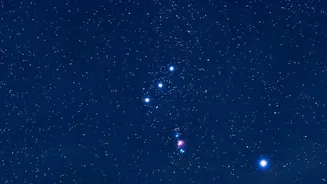
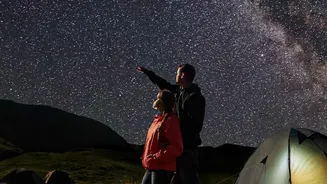
Once you've settled in your chosen spot, patience is your best friend. Give your eyes at least 20-30 minutes to fully adjust to the darkness. The meteors are called Orionids because they appear to radiate from the constellation Orion, but you don't need to stare directly at it. In fact, the longest and most spectacular streaks often appear 45 to 90 degrees away from the radiant point. Lie back, look up, and take in as much of the sky as possible. The best viewing window for the 2026 peak will be between moonset (around 3 a.m.) and the first light of dawn.
When the City is Too Bright, Escape
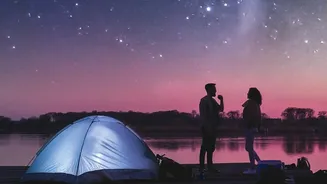
Sometimes, the best solution is to simply get out of town. Even a 30-minute drive away from the city centre can significantly reduce light pollution and dramatically increase the number of meteors you'll see. Look for state or national highways leading away from major urban hubs. Find a safe pull-off, a designated viewpoint, or a spot near a small town with less ambient light. This small effort can transform a frustrating experience into a truly magical one, revealing a sky filled with more stars than you thought possible so close to home. Always prioritise safety by choosing a legal and secure place to park and informing someone of your plans.