



A Tale of Two Figures
The headline figure comes from the India Bullion and Jewellers Association (IBJA), which estimated that 52 tonnes of gold, worth approximately ₹72,000 crore, were sold during the Dhanteras-Diwali period. This represents a 30% increase in volume—the actual
amount of gold sold—compared to last year. It is important to distinguish this from growth in 'value', which can rise simply because prices are higher. Other industry bodies, like the All India Gem and Jewellery Domestic Council, reported more modest growth in value (15-20%) and suggested that sales volumes were largely flat. The IBJA's higher volume figure likely includes jewellers restocking their inventories alongside direct consumer purchases. Regardless of the precise number, the market saw a significant revival.
The Price Correction Catalyst
A key driver behind the sales surge was a timely drop in gold prices from their peak. After hitting a high of around ₹1.8 lakh per 10 grams in January 2026, prices corrected by roughly 21% to between ₹1.42 lakh and ₹1.49 lakh by Dhanteras. This dip was the invitation many buyers were waiting for. Consumers who had postponed purchases while prices were climbing saw an opportunity to enter the market. Interestingly, prices were still higher than during last year's festive season, but the significant drop from the recent peak was enough to boost sentiment and unlock pent-up demand. This was especially true considering sales volumes had fallen by nearly 50% in the first half of the year.
Smarter Spending and Shifting Habits
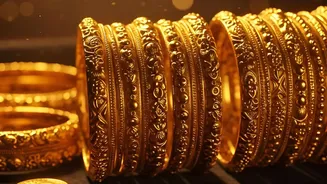
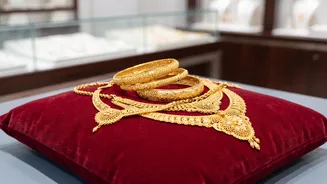
While shoppers opened their wallets, they did so with a strategic mindset. Retailers noted a clear trend towards lighter and more practical jewellery. Instead of heavy 30-40 gram sets, buyers opted for more wearable 12-13 gram designs and lightweight 18-carat pieces. This reflects a growing preference for jewellery that can be worn daily rather than just stored in a locker. There was also strong demand for gold coins and bars, particularly in smaller denominations of 1 to 5 grams, which serve as popular token gifts during festivals. The rise of quick-commerce platforms also played a role, with companies like Zepto, Swiggy Instamart, and Blinkit reporting a massive spike in orders for gold and silver coins delivered in minutes.
Tradition Meets Financial Planning
The cultural significance of buying gold during Dhanteras and Diwali remains a powerful, unshakable force in the market. However, this year's buying was amplified by practical financial considerations. The festivals fell at the start of the month, aligning perfectly with the arrival of salaries and festive bonuses for many households. Furthermore, with the wedding season kicking off in mid-November, many families used the lower prices to make advance purchases for upcoming nuptials. Old-gold exchange schemes were also heavily promoted by jewellers, allowing consumers to upgrade their holdings and reduce out-of-pocket expenses, a factor that proved popular in both urban and smaller-town markets.