





From Flavour to Performance
For generations, the hallmark of great Indian food was its authentic taste—the perfect balance of spices, the richness of the gravy, the comfort of a familiar flavour. But today, a culinary revolution is reshaping what it means to have a memorable meal.
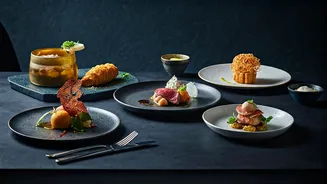
Affluent consumers and adventurous eaters are seeking more than just delicious food; they desire an experience. This shift is pushing chefs and restaurateurs to think beyond the palate and engage all the senses. The new dining mantra revolves around three pillars: exquisite taste, surprising textures, and a healthy dose of drama, or 'theatre'. It’s about turning a meal into a memorable event.
The Science of Sensation
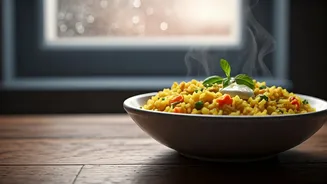
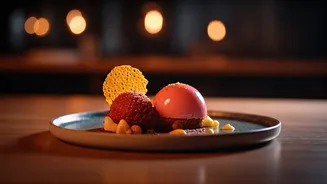
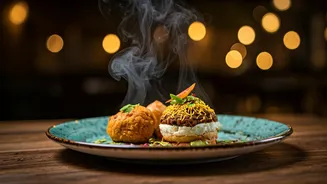
At the heart of this trend is the creative use of techniques often associated with molecular gastronomy. This food science explores the physical and chemical transformations of ingredients. Think of classic Indian recipes deconstructed and reinvented with a playful twist. A simple dahi bhalla might be transformed into a delicate sphere that bursts in your mouth, or a staple like dal chawal could be reimagined as a crispy arancini ball. Chefs are using foams, airs, gels, and spherification to introduce unexpected textures that challenge and delight diners. An 'edible scotch brite' or a lemon foam representing soap bubbles on a dessert plate shows how far the creativity has gone, turning the dish into a conversation starter.
Driven by the 'Gram
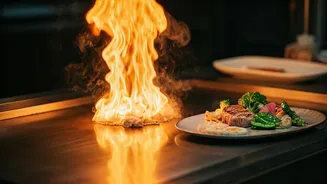
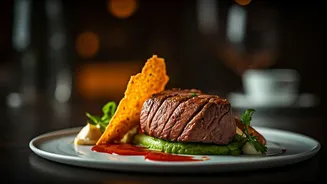
It’s impossible to discuss modern dining without mentioning social media. The desire for a picture-perfect moment is a powerful force driving restaurants to innovate visually. Platforms like Instagram have turned every diner into a food critic and photographer, and a dish’s 'shareability' is now a key ingredient for success. Restaurants are designing not just their food but their entire ambiance—lighting, decor, and plating—to be camera-friendly. Smoking cocktails, dishes served with a flourish of liquid nitrogen, and elaborate presentations are crafted specifically to create a visual spectacle worth sharing online. This focus on visual storytelling has made Indian food more interactive and globally accessible than ever before.
A Feast for All the Senses
This new wave of experiential dining is about creating an immersive environment that goes beyond the plate. The 'theatre' can involve everything from live music and chef's tables to themed interiors that transport you to another place. Aroma plays a crucial role; the scent of a biryani when the lid is lifted at the table is a performance in itself. The sound of a sizzling platter, the contrast of hot and cold elements, and the tactile sensation of different food textures all contribute to a multi-sensory journey. It’s a holistic approach where storytelling, ambiance, and emotion are just as important as the food itself.
Authenticity in a Modern Guise
While this trend embraces global techniques, it's often deeply rooted in Indian tradition. Chefs are not just creating gimmicks; many are reinterpreting forgotten regional recipes and authentic flavours for a modern audience. The goal is to blend the familiar with the new, creating dishes that are both innovative and soulful. However, the movement is not without its critics. Some chefs and purists worry that the focus on technique and presentation can sometimes overshadow the delicate and complex flavours of traditional Indian cuisine. The key, proponents argue, lies in skillful execution, ensuring that the science and art on the plate serve to enhance, not diminish, the authentic taste that diners ultimately cherish.