






For decades, Indian city streets have been synonymous with vehicular chaos. But a new vision is taking hold, one that pushes cars to the periphery to make room for people. So why are cities increasingly embracing pedestrian-only zones?
Reclaiming Streets from Chaos
The daily reality
for millions in urban India is a battle for space. Roads designed primarily for vehicles have become congested arteries of traffic, contributing to severe air and noise pollution. Pedestrians, who constitute a massive portion of commuters, are often left with broken, encroached, or non-existent footpaths, forcing them into dangerous proximity with traffic. This auto-centric approach has not only made walking unsafe but has also degraded the quality of urban life. The push for pedestrianization is a direct response to this crisis, aiming to correct a long-standing imbalance and re-imagine streets as public spaces for people, not just corridors for cars.
A New Urban Vision in Action
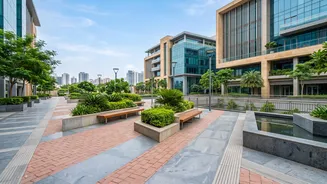
The solution being implemented is the creation of 'people-first' zones. This involves more than just banning traffic; it is a complete redesign of urban arteries. Cities like Chennai and Delhi are leading the charge with transformative projects. Chennai's T. Nagar, once a traffic-clogged shopping hub, was reimagined with the Pondy Bazaar Pedestrian Plaza. This 800-metre stretch now features wide, safe walkways, children's play areas, public seating, and organised spaces for vendors. Similarly, the historic Chandni Chowk in Delhi has been redeveloped to restrict vehicular movement, creating a more pleasant environment for shoppers and tourists while preserving its heritage character. These projects serve as powerful models for how to reclaim public space.
The Social and Economic Payoffs
When streets are designed for people, the benefits extend far beyond convenience. Businesses in these transformed areas often report a significant increase in sales. After the T. Nagar plaza opened, shopkeepers saw revenues climb by 15-20%. Better street conditions can even influence business relocation decisions, with vendors who move to 'Healthy Streets' reporting sales increases of over 50%. Socially, the impact is profound. In Chennai, 95% of survey respondents reported feeling safer on improved streets. For women, children, and the elderly, these zones offer newfound freedom and safety. These spaces also become vibrant open-air hubs, hosting cultural events, music, and community activities, fostering a stronger sense of local identity and connection.
Healthier Cities, Healthier Citizens
One of the most compelling reasons for this urban shift is public health. By encouraging walking and reducing vehicle-dependency, cities are tackling major health and environmental challenges headon. A study of 10 Indian cities found that streets with pedestrianndly improvements had an Air Quality Index 27% lower than comparable streets, with particulate pollution reduced by over 20%. The shift to walking also has direct health benefits for citizens. In Chennai, it was estimated that improved footpaths helped prevent about 340 deaths per year from noncommunicable diseases by promoting physical activity. Creating walkable cities is a highly costeffective way to reduce greenhouse gas emissions and build a more sustainable future.
Navigating the Hurdles
Despite the clear benefits, the path to pedestrianization is not without its challenges. Initial resistance from shopkeepers fearing a loss of business is common, although experience often proves the opposite. Another significant hurdle is ensuring that these carfree zones are supported by robust public transport and wellmanaged parking solutions on the periphery. Enforcement can also be an issue, with twowheelers sometimes encroaching on pedestrian areas. Furthermore, there can be unintended consequences, such as increased traffic congestion on adjacent streets, affecting businesses there. Overcoming these obstacles requires careful planning, sustained political will, and clear communication with all stakeholders to ensure the transition is smooth and equitable.