





Create Your Safe Dance Space
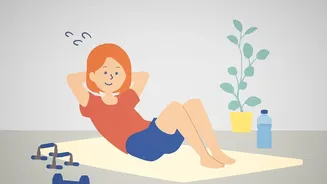
Before you press play, prepare your environment. The most important step is to clear adequate space. You need enough room to move your arms and legs freely without hitting furniture or walls. Test your movement envelope by lying down and sweeping your arms and legs around
you; this is a good estimate of the minimum space required. Move tables, chairs, and any other trip hazards like rugs or loose wires. Good lighting is also crucial to see where you're going and avoid mat edges or other obstacles. If possible, choose a room with good ventilation or open a window to keep the air fresh and prevent overheating. The right floor surface can make a big difference. Hard surfaces like tile can be tough on joints, while some carpets can grip your feet and twist your knees. If you have a hard floor, a simple, non-slip mat can provide cushioning.
Gear Up for Movement
You don't need much equipment for a freestyle dance session, but what you wear matters. Opt for clothing that you can move in freely without restriction. When it comes to footwear, avoid dancing in socks on slippery floors or in unsupportive shoes like slippers. Depending on your floor surface, supportive trainers, soft dance shoes, or even bare feet can be appropriate. If you're on a smooth indoor surface, bare feet can work well, but for carpet, socks or soft dance shoes can reduce friction. The goal is to choose footwear that gives you the right balance of grip and freedom to move without risking a slip or a twisted ankle. Also, be sure to keep a water bottle nearby to stay hydrated before, during, and after your workout.
Always Start with a Warm-Up
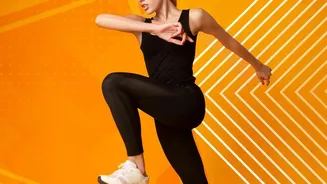
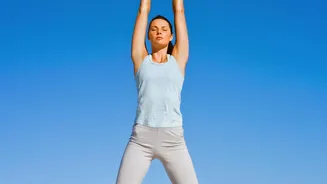
Jumping straight into high-energy movement with cold muscles is a recipe for injury. A proper warm-up, lasting around 10 to 15 minutes, prepares your body for exercise by gradually increasing your heart rate and blood flow to your muscles. Start with 5 minutes of light cardio, like jogging in place, high knees, or jumping jacks. Follow this with dynamic stretches—active movements that take your joints through their full range of motion. Good examples include leg swings, arm circles, hip circles, and torso twists. These movements mobilize your joints and improve flexibility, priming you for the demands of dance.
Listen to Your Body and Move Smart
Freestyle is all about personal expression, and that includes respecting your body's limits. There's no need to push yourself too hard, especially when you're just starting. Pay attention to signals from your body. While muscle fatigue is normal, sharp, sudden, or persistent pain is not. If something hurts, stop or modify the movement. It's also important to pace yourself. You don't have to dance at high intensity for an entire session. Varying your energy levels not only makes the workout more interesting but also helps prevent overuse injuries that are common in dance. Remember that consistency is more important than intensity. A few shorter, enjoyable sessions each week will yield better long-term results than one painful, exhausting one.
Never Skip the Cool-Down
Just as important as the warm-up is the cool-down. Stopping abruptly can cause muscle stiffness and soreness. A cool-down helps your heart rate return to normal gradually and allows your muscles to relax and recover. Spend 5 to 10 minutes on a cool-down routine. This should include static stretches, where you hold a stretch for 20-30 seconds without bouncing. Focus on major muscle groups used in dancing, such as the hamstrings, quadriceps, calves, and hips. Good cool-down stretches include a standing quad stretch, a hamstring stretch while seated, and a calf stretch against a wall. This simple practice not only aids recovery but also improves your overall flexibility over time.