
Why the Monsoon Changes Everything
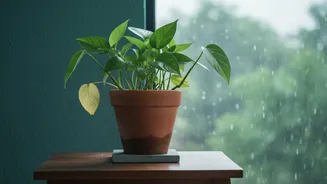
During the rainy season in India, the air becomes saturated with moisture. This high humidity has a direct impact on your indoor plants. They lose less water through their leaves via transpiration, and the soil in their pots dries out much more slowly.
Compounding this, cloudy skies mean less sunlight, which reduces the rate of photosynthesis and, consequently, the plant's demand for water. A watering schedule that worked perfectly in the dry summer months can quickly become detrimental, leading to waterlogged soil that suffocates roots. Many common houseplants might only need watering once every 10 to 15 days during the monsoon.
The Golden Rule: Ditch the Schedule, Check the Soil
The single most important shift to make during the rainy months is to stop watering based on a calendar and start watering based on the plant's actual needs. Before you even think about reaching for the watering can, perform the finger test. Insert your finger about an inch or two into the soil. If it feels moist, wait. If it feels dry, it’s time to water. This simple, tactile check is the most reliable way to prevent overwatering. For larger pots, a wooden skewer or chopstick can be used to check moisture levels deeper in the pot; if it comes out clean and dry, it's time to water.
Spotting the Danger Signs of Overwatering
Ironically, the signs of overwatering can often look like the signs of a thirsty plant. Wilting can be caused by both too much and too little water, but with overwatering, the leaves will feel soft and limp rather than dry and crispy. The most common sign is yellowing leaves, often affecting both old and new growth. Other red flags include a musty or rotten smell from the soil, a mushy base of the stem, and the appearance of fungus or mould on the soil surface. You might also notice tiny flying insects known as fungus gnats, which thrive in overly moist soil.
Technique and Drainage Are Key
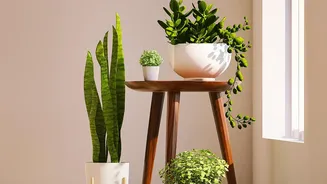
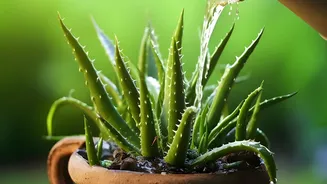
When you do water, do it thoroughly, but less frequently. Pour water onto the soil until it runs out of the drainage holes at the bottom of the pot. This ensures the entire root system gets a drink. Then, crucially, allow the pot to drain completely. Never let your plants sit in a saucer full of water, as this is a direct path to root rot. If you use a decorative outer pot without holes, be sure to empty any excess water from it after watering. Ensuring your pots have adequate drainage holes is non-negotiable, especially during the monsoon. Elevating pots on stands can also improve drainage and airflow.
Beyond Water: Other Monsoon Adjustments
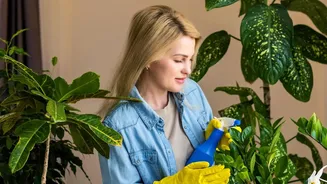
Successful monsoon care isn't just about water. With reduced light and slower growth, your plants need less fertiliser; you can cut back on feeding or stop altogether until the weather improves. Improve air circulation by grouping plants less tightly or using a small fan to help prevent fungal diseases that thrive in damp, stagnant air. Since cloudy days are common, move your plants closer to windows to maximise the available light. Finally, keep the leaves clean. Dust and dirt can block the limited sunlight, so gently wiping them down will help your plants make the most of the available light.