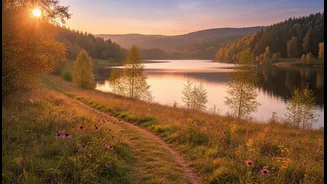









The Sweet Spot of Travel
The shoulder season is the period just before or after a destination's peak tourist season. Think of Europe in September and October, after the summer rush but before winter sets in, or Indian hill stations like Darjeeling right after the monsoon, when
the landscape is lush and the crowds have thinned. It's a magical window when the weather is still pleasant, most attractions are open, but the overwhelming crowds and peak-season prices have subsided. This creates a perfect balance, offering many of the benefits of high-season travel without the associated stress and expense.
Fewer Crowds, More Breathing Room
One of the most significant advantages of shoulder-season travel is the simple luxury of space. Popular landmarks, museums, and beaches become more enjoyable without the constant jostle of peak-season tourist hordes. Imagine wandering through the ruins of Hampi with time for quiet reflection or finding a perfect spot on a Goan beach without any effort. This reduced footfall means shorter queues, less traffic, and a generally more relaxed atmosphere, allowing you to experience a destination at a slower, more comfortable pace. With fewer people around, locals are often less overwhelmed by tourism, creating opportunities for more genuine interactions.
An Authentic Connection to Local Life
This is where the shoulder season truly shines. When destinations aren't catering to a massive influx of tourists, the local rhythm re-emerges. Local markets feel less like tourist traps and more like community hubs. Restaurant owners might have more time for a chat, and you may find yourself being one of only a few visitors at a local festival or event. These unscripted moments and meaningful exchanges are the hallmarks of authentic travel. By visiting during a quieter time, you get a more honest glimpse into the daily life of a place, fostering a deeper connection that often gets lost in the peak-season frenzy.
Significant Savings, Smarter Spending
Beyond the experiential benefits, shoulder-season travel is also kinder to your wallet. With lower demand, airlines and hotels often reduce their prices significantly. According to some analyses, airfares can be notably cheaper during the shoulder season compared to peak times. These savings can be substantial, allowing you to either cut down your overall budget, extend your trip, or splurge on experiences like a nicer hotel or a special meal. This better value applies to everything from rental cars to guided tours, making your dream vacation more financially accessible.
Finding Your Shoulder-Season Window
Identifying the shoulder season is key. For many parts of Europe and North America, this is typically spring (April-May) and autumn (September-October). In India, the timing varies by region. The period from September to November, post-monsoon, is often ideal for destinations like Rajasthan and Kerala. For mountain regions in the Himalayas, March and April can be perfect. A little research into your chosen destination's climate and peak tourist months will reveal these valuable travel windows. Tourism boards and travel guides are excellent resources for pinpointing the best time to go.