
A Shift in Travel Mindset
For generations, the Indian monsoon was a time to stay indoors, postpone plans, and wait for clearer skies. Travel was for sunny, dry days. That thinking is officially outdated. A new travel trend is blooming, with Indians increasingly packing their bags
for rainy getaways. Recent data shows a significant surge in interest for monsoon travel, with domestic searches for getaways during the rainy months increasing by almost 40% year-on-year. This isn't just a statistical blip; it's a cultural shift. Travellers, especially the younger Gen Z cohort, are trading one long annual holiday for several shorter, more spontaneous trips known as 'micro-cations'. This generation prefers flexibility and new experiences over waiting for the 'perfect' season, and the monsoon, with its dramatic landscapes and unique vibe, offers exactly that.
The Allure of the Off-Season
One of the biggest drivers of this trend is the simple joy of avoiding the crowds. Peak season travel often means long queues, packed viewpoints, and inflated prices. The monsoon, traditionally considered the off-season, offers a quieter, more authentic experience. Imagine strolling through Goa's Latin Quarter without the tourist throngs or enjoying a peaceful cup of tea in a Coorg estate with only the sound of rain for company. This tranquility is a luxury in itself. Fewer people also mean more bargaining power. Hotels and airlines often slash their rates to attract visitors, making luxury stays suddenly affordable and budget trips even more economical. Reports show that hotel tariffs can be significantly lower than during the high tourist season.
Lush Landscapes and Rejuvenated Destinations
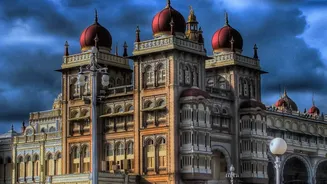
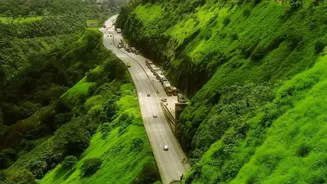
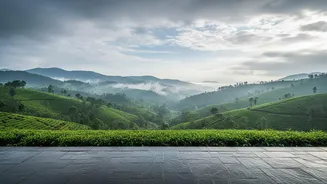
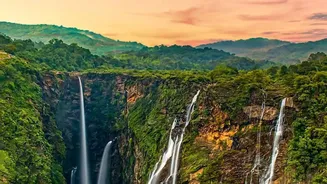
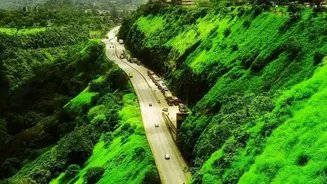
Travel brochures almost always feature bright, sunny skies, but nature often saves its most breathtaking work for the rains. The monsoon transforms the Indian landscape. Parched hills turn into carpets of impossible green, waterfalls that were mere trickles roar back to life, and the air feels cleaner and fresher. Destinations like the Western Ghats, including popular hill stations like Lonavala, Mahabaleshwar, and Munnar, become extraordinarily beautiful. Even arid regions like Rajasthan take on a new romantic charm, with its lakes filling up and palaces looking even more majestic under overcast skies. It’s a sensory experience—the smell of wet earth (petrichor), the vibrant colours, and the cool breeze—that you just don't get at other times of the year.
Where Are Travellers Headed?
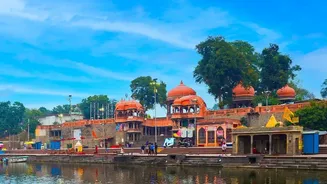
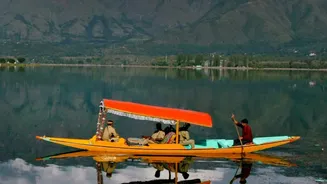
The trend isn't just about a general desire to travel in the rain; specific destinations are seeing a massive surge in popularity. Searches for non-metro destinations grew by over 40%, showing a desire to experience nature where the season truly transforms the landscape. Hill stations are a clear favourite, with places like Wayanad, Coorg, and Ooty seeing booking growth of nearly seven times compared to previous years. Coastal destinations like Goa and Varkala, once considered monsoon no-go zones, are now being appreciated for their quieter beaches and lush greenery. Even the Northeast is getting more attention, with Nagaland and Arunachal Pradesh recording significant growth in flight and hotel bookings. Other popular spots include the lake city of Udaipur and the cultural hub of Kochi.
A Reality Check for Pluviophiles
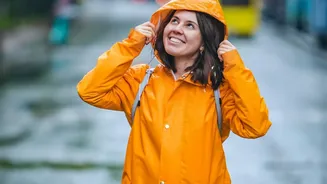
While the romance of a rainy holiday is undeniable, it pays to be practical. Monsoon travel comes with its own set of challenges. Landslides can block roads in hilly areas, and rough seas can put a stop to beach activities. Some national parks and wildlife sanctuaries close during this period, so a tiger safari might be off the cards. It's essential to pack smart: quick-dry clothing, waterproof bags, and sturdy footwear with good grip are non-negotiable. Always check weather advisories and road conditions before and during your trip, and build some flexibility into your itinerary. Being prepared for a sudden downpour or a change of plans is part of the adventure.