
The Golden Ratio Isn't Always 1:2
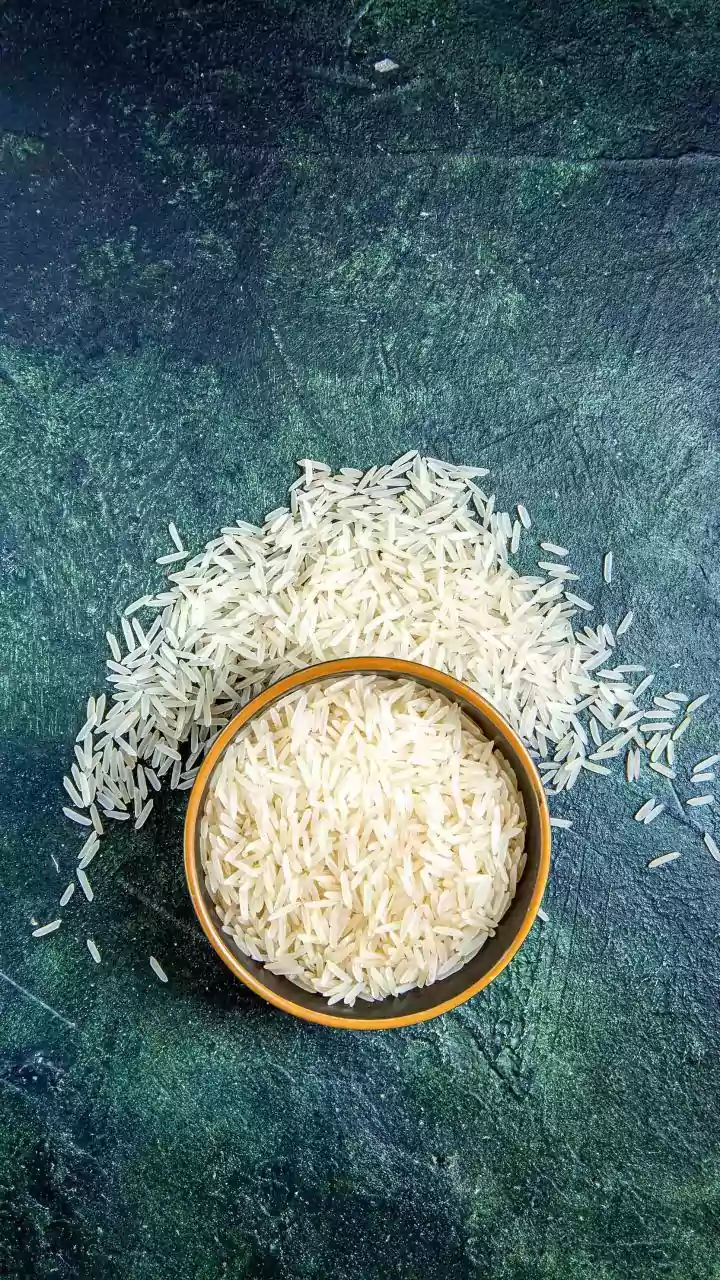
The most common advice for cooking rice is to use a 1:2 ratio, meaning one part rice to two parts water. For basmati, this is often a recipe for mushy, overcooked grains. A much more reliable starting point for the stovetop absorption method is 1 cup
of rice to 1.5 cups of water. This ratio provides enough moisture for the grains to cook through without becoming waterlogged. However, this is just a starting point. The perfect ratio can be influenced by the age of the rice, your cooking pot, and whether you soak the grains beforehand.
Why You Must Rinse Your Rice
If there is one non-negotiable step, it is rinsing the rice. Basmati grains are coated in excess surface starch from the milling process. If not washed away, this starch dissolves in the cooking water, creating a gluey texture that makes the grains clump together. To rinse properly, place your rice in a large bowl and cover it with cool water. Swirl gently with your fingers and you will see the water turn milky. Drain this water and repeat the process three to four times, or until the water runs mostly clear. This simple act is fundamental to achieving fluffy, separate grains.
To Soak or Not to Soak?
Soaking basmati rice for 20-30 minutes before cooking is a traditional step that makes a significant difference. Soaking allows the dry, aged grains to hydrate gently and evenly. This pre-hydration helps the rice cook faster and encourages the grains to elongate to their full potential without breaking. If you soak your rice, you will need to adjust your water ratio slightly. Because the grains have already absorbed some water, you can reduce the cooking water to about 1.25 cups for every cup of rice. If you are short on time and skip the soak, stick with the 1.5-cup measurement.
The Art of Cooking and Resting
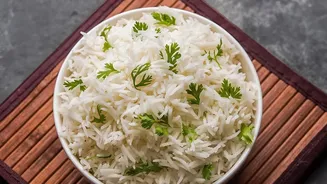
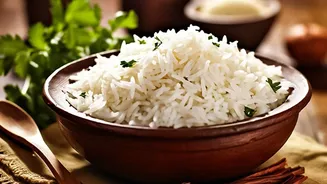
Once your rinsed (and possibly soaked) rice is in the pot with the correct amount of water and a pinch of salt, the process is straightforward but requires patience. Bring the water to a boil, give it one final, gentle stir, then reduce the heat to the absolute lowest setting. Cover the pot with a tight-fitting lid and let it simmer for 12-15 minutes. The most common mistake is peeking. Lifting the lid allows precious steam to escape, which disrupts the cooking process and can lead to unevenly cooked rice. Once the time is up, turn off the heat but do not lift the lid. Let the rice rest for at least 5-10 minutes. This resting period allows the residual steam to distribute evenly, ensuring the grains are perfectly finished and firm.
From Perfect Grains to Simple Meals
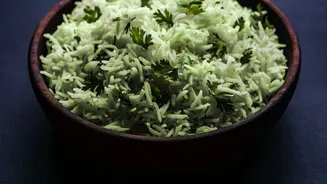
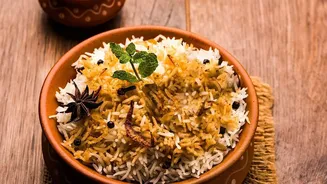
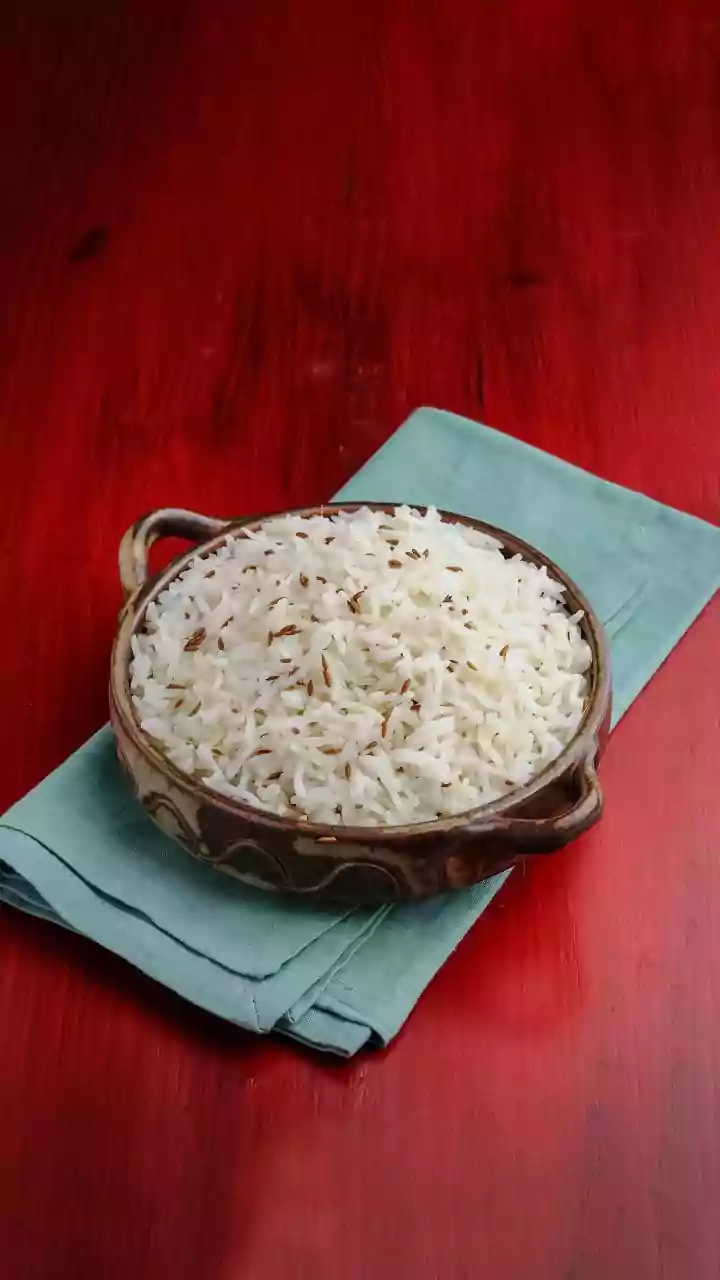
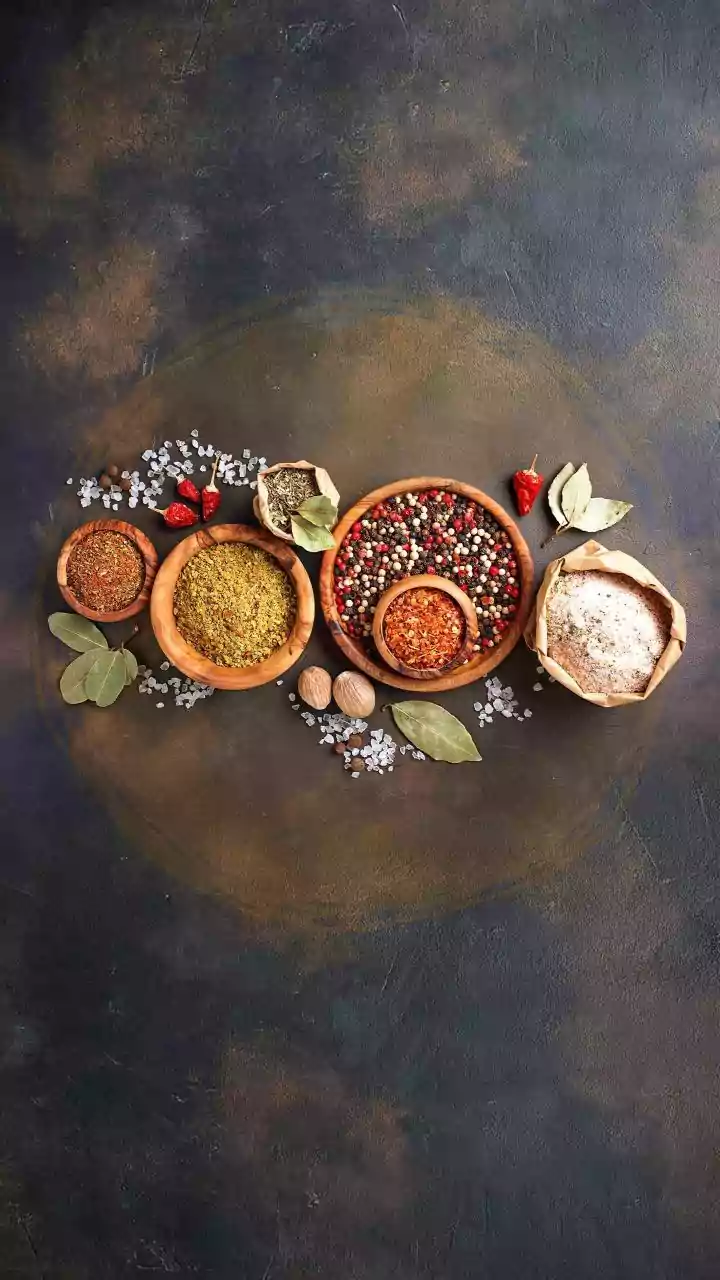
Now that you have a pot of flawless basmati, the possibilities are endless. The simplest way to elevate it is by making Jeera Rice. Just toast some cumin seeds in ghee or oil before adding your rice and water. For a vibrant and tangy dish, try making Lemon Rice by adding a tempering of mustard seeds, lentils, and a generous squeeze of lemon juice at the end. You can also make a quick Vegetable Pulao by sautéing your favourite vegetables and whole spices like cardamom and bay leaves before adding the rice and water. These simple recipes turn a basic staple into a delicious centrepiece.