


Meghalaya: Walk Across Living Root Bridges
Meghalaya, the 'Abode of Clouds', becomes a world of roaring waterfalls and mist-covered hills in the monsoon. This is the best time to witness the genius of Khasi bio-engineering: the living root bridges. For centuries, local tribes have guided the aerial
roots of rubber trees across rivers, creating structures that grow stronger with age and withstand the powerful monsoons. Trekking to the famous Double-Decker bridge in Nongriat is a challenging but rewarding journey. To make your trip sustainable, hire local guides and stay in community-run guesthouses. This ensures your money directly supports the villages that preserve these wonders. Visiting Mawlynnong, known as one of Asia's cleanest villages, further highlights the region's commitment to eco-conscious living.
Sikkim: Find Serenity on Monastery Trails
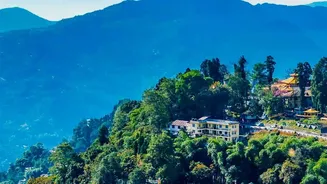
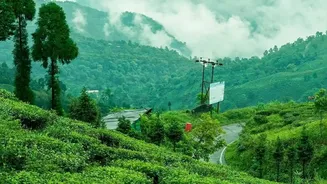
Sikkim offers a quieter, more peaceful monsoon experience. The season transforms the landscape into a lush paradise, with gushing waterfalls and blooming wild orchids. While high-altitude treks to places like Nathula Pass can be risky due to landslides, the southern and western parts of the state are ideal for gentle, mindful travel. This is the perfect time for exploring serene monastery circuits around towns like Pelling and Ravangla. The rain washes the world clean, making the views of misty mountains and emerald tea gardens truly spectacular. Support the local economy by opting for homestays and eco-lodges, which offer authentic Sikkimese hospitality and delicious local cuisine that is perfect for the cool, rainy weather.
Arunachal Pradesh: Immerse in Apatani Culture in Ziro
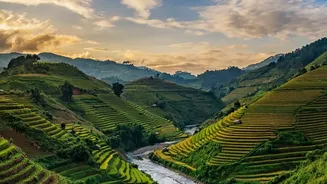
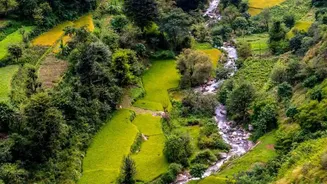
Arunachal Pradesh is increasingly focused on community-driven, sustainable tourism. While heavy rains can make some areas inaccessible, the Ziro Valley offers a unique cultural immersion. Home to the Apatani tribe, Ziro is famous for its harmonious paddy-cum-fish cultivation system, a model of sustainable agriculture. The monsoon brings the valley's rice terraces to life with a vibrant green glow. Community-based tourism initiatives are well-established here, with many families opening their homes to visitors. Staying in a homestay allows you to learn about the Apatani way of life, their traditions, and their deep connection to nature. This form of travel provides direct economic benefits to the community and fosters genuine cultural exchange.
Assam: Experience Life on Majuli Island
Majuli in Assam is one of the world's largest river islands and a centre of Assamese Neo-Vaishnavite culture. The monsoon season presents a powerful, dramatic version of the island. The Brahmaputra River swells, transforming the landscape and creating breathtaking sunsets. While there is a risk of flooding and ferry disruptions, this has also made it a key ecotourism spot. Visiting during this time requires flexibility but rewards you with an unforgettable experience of life on the river. Many locals have set up homestays, offering a chance to engage with the Mising tribal culture and visit the island's historic Satras (monasteries). Traveling here responsibly means contributing to an economy that is constantly adapting to the river's rhythm.