


The Protein in Your Pulses
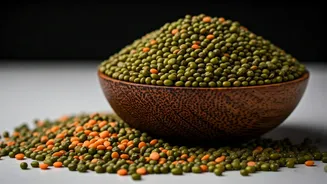
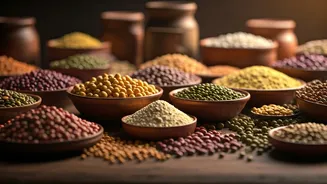
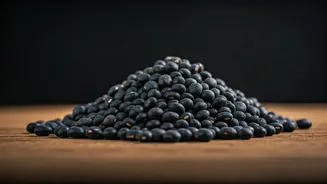
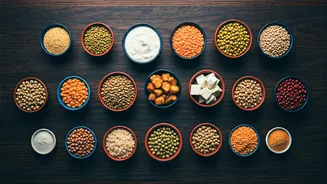
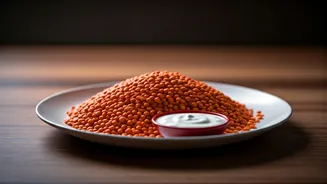
First, the good news: dal is an excellent source of plant-based protein. On average, most common dals like moong, masoor, and toor contain about 20-25 grams of protein per 100 grams of raw, uncooked lentils. Urad dal often tops the charts with approximately
25 grams, making it one of the most protein-dense options available. However, it is important to remember that dal absorbs a lot of water during cooking. A cooked bowl of dal, which might be around 150-200 grams, typically provides about 7-10 grams of protein. While this is a significant amount, it highlights the need to be mindful of portion sizes and preparation to meet your daily protein goals.
The 'Complete Protein' Question
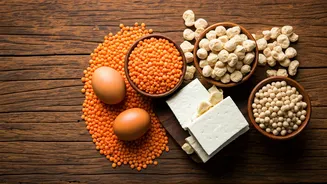
Here's where the science gets interesting. Proteins are made of building blocks called amino acids. There are nine 'essential' amino acids that our bodies cannot produce, so we must get them from food. Animal products like meat and eggs contain all nine, making them 'complete' proteins. Most plant-based foods, including dal, are 'incomplete' because they are low in one or more of these essential amino acids. Specifically, dals are typically low in an amino acid called methionine. This doesn't make dal any less healthy; it just means it works best as part of a team.
A Match Made in Heaven: Dal and Rice
The timeless tradition of eating dal with rice or roti isn't just about taste—it's nutritional genius. While dal is low in methionine, grains like rice and wheat are rich in it. Conversely, these grains lack the amino acid lysine, which dal has in abundance. When you combine them in a meal, their amino acid profiles complement each other perfectly, creating a complete protein that provides all the essential building blocks your body needs. This concept of 'protein complementation' is why dal-chawal is not just comfort food but a scientifically sound, balanced meal.
Beyond Protein: A Nutritional Powerhouse
Focusing only on protein does dal a disservice. Lentils are nutritional superstars packed with other essential nutrients. They are incredibly rich in dietary fibre, which aids digestion, promotes fullness, and helps manage blood sugar levels. Dals are also a fantastic source of iron, folate, and potassium. Folate is especially important for cell growth and during pregnancy, while iron is crucial for energy and preventing anaemia. With a low glycemic index, dal provides sustained energy without causing sharp spikes in blood sugar, making it an excellent food for everyone, including those managing diabetes.
How to Build a True Protein-Winning Bowl
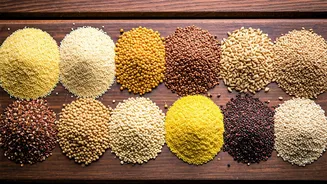
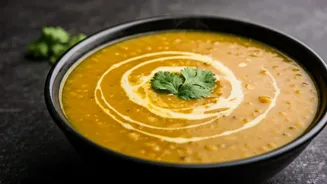
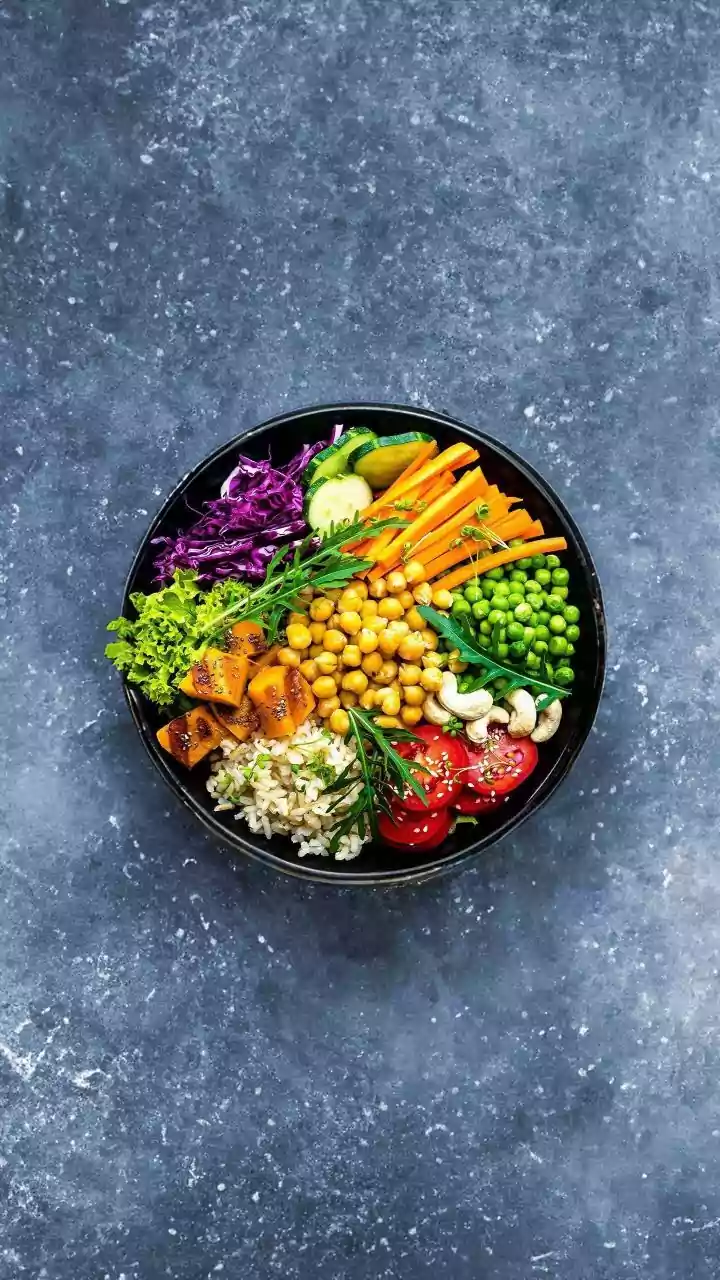
To truly make your dal bowl a protein winner, think beyond the basic tadka. Pairing it with rice, roti, or millets like bajra and jowar is the most crucial step for creating a complete protein. You can also boost the nutritional value by adding vegetables like spinach, carrots, or squash while the dal cooks. A dollop of yogurt or a side of paneer not only adds flavour and creaminess but also contributes high-quality dairy protein and calcium. Finally, a simple squeeze of lemon over your dal does more than just brighten the taste; its vitamin C helps your body absorb the iron from the lentils more effectively.