


From Ritual to Itinerary
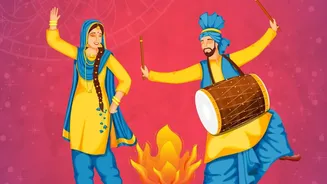
The way Indians engage with festivals is undergoing a significant transformation. What were once primarily local or religious observances are now powerful motivators for travel. According to recent travel industry reports, a majority of Indian travellers
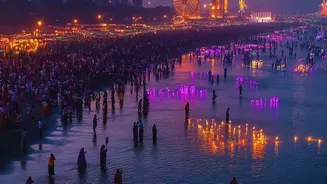
are now planning trips specifically to attend cultural or religious festivals. This shift indicates that festivals are being viewed as unique, time-sensitive experiences worth building an entire holiday around. Instead of being an activity to do at a destination, the festival is the destination. Celebrations like Durga Puja in Kolkata, Ganesh Chaturthi in Mumbai, and Navratri in Gujarat are no longer just for locals; they are attracting visitors from all over the country who want to experience these iconic events firsthand.
The Search for Authentic Connection
So, what's driving this trend? A key factor is the modern traveller's desire for authenticity and cultural immersion. In an age of standardised holidays, festivals offer a direct and vibrant connection to a region's unique identity, traditions, and community. Participating in a festival is about more than just sightseeing; it's about engaging with local culture on a deeper level, from tasting traditional foods to witnessing centuries-old rituals. This quest for meaningful experiences is leading people to explore events like the Hornbill Festival in Nagaland, which showcases the rich heritage of the region's tribes and has seen a significant rise in domestic visitors.
The Rise of the Millennial Pilgrim
It's not just traditional festivals pulling in the crowds. A new wave of contemporary music and arts festivals has created a modern pilgrimage circuit for a younger, urban demographic. Events like the Ziro Festival of Music in Arunachal Pradesh have become iconic for their blend of indie music, stunning natural settings, and a strong sense of community. These festivals are celebrated not just for their artist lineups, but for the overall experience: camping under the stars, interacting with local tribes like the Apatani, and disconnecting from city life. They offer a different kind of cultural immersion, one that revolves around shared interests in music, art, and nature, proving that the festival travel trend is as diverse as India itself.
Beyond the Beaten Path
This trend is also shining a spotlight on lesser-known destinations and traditions. Travellers are venturing to places like Pushkar for its world-famous Camel Fair, a spectacle of livestock trading, cultural performances, and Rajasthani hospitality. Travel companies now curate dedicated tour packages around such events, recognising them as major tourism draws. By creating a reason to visit, these festivals provide a significant boost to local economies. The influx of tourists supports hotels, transport providers, local artisans, and food vendors, creating a positive ripple effect that sustains communities and helps preserve their cultural heritage.