

What is the 'Hydrogen for Heritage' Project?
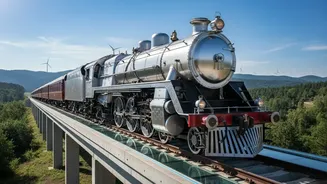
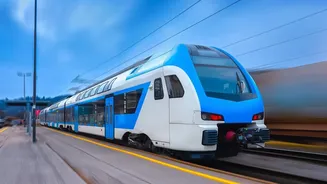
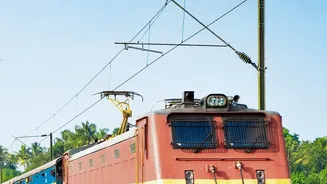
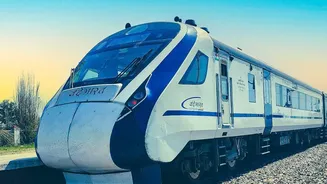
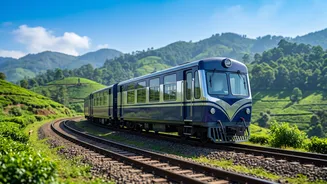
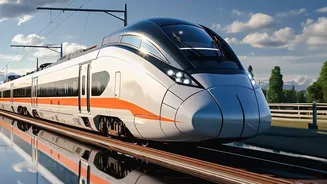
The 'Hydrogen for Heritage' project is a pioneering initiative by Indian Railways to run specially designed trains powered by hydrogen on its historic and scenic routes. The core idea is to replace the existing diesel locomotives on these lines with a green,
clean alternative. This move serves two purposes: it preserves the fragile ecosystems and pristine environments of these heritage locations, and it showcases India's growing technological prowess in the green energy sector. The project was officially set in motion with the launch of a pilot train service in July 2026 on the Jind-Sonipat section in Haryana. The experience gained from this initial run is intended to pave the way for deploying these advanced trains on challenging and beloved circuits like the Kalka-Shimla Railway, a UNESCO World Heritage site.
How Do These Hydrogen Trains Actually Work?
Think of a hydrogen train as a self-contained, rolling power plant that produces zero pollution. Instead of a diesel engine, it uses a fuel cell system. Inside the fuel cell, hydrogen gas stored in onboard tanks is combined with oxygen taken from the air. This electrochemical reaction generates electricity, which then powers the motors that turn the train's wheels. The only byproduct of this entire process is pure water vapour and some heat, making the trains incredibly clean. They are also much quieter than their diesel counterparts because there is no noisy combustion engine. Some designs also incorporate batteries to store surplus electricity, which can be used for extra power during acceleration or while climbing steep gradients.
Why Target Heritage Routes First?
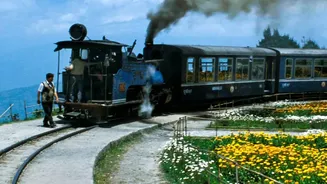
Starting with heritage routes is a strategic decision. These narrow-gauge lines, like those in Darjeeling, Nilgiri, and Kalka-Shimla, often pass through ecologically sensitive and beautiful landscapes. Running diesel engines here contributes to air and noise pollution, which detracts from the natural charm. Furthermore, electrifying these routes with overhead cables is often impractical due to the difficult terrain, numerous tunnels, and sharp curves. It could also compromise the historical and aesthetic value that makes them tourist attractions. Hydrogen trains offer a perfect solution: they provide clean mobility without requiring expensive and disruptive electrification infrastructure, thereby protecting the heritage status and natural beauty of these iconic journeys.
The Green and Economic Advantages
The environmental benefits are the most significant advantage. By emitting only water vapour, hydrogen trains eliminate harmful pollutants like carbon dioxide, nitrogen oxides, and particulate matter, leading to cleaner air. This aligns with India's broader climate goals, including its commitment to achieve net-zero carbon emissions by 2070. Economically, while the initial investment in hydrogen technology and infrastructure is high, it holds the promise of long-term savings. By reducing dependence on imported diesel, the technology can enhance India's energy security. As the production of green hydrogen becomes more widespread and cost-effective, the operational expenses for these trains are expected to decrease, making it a financially sustainable model for the future.
The Road Ahead: Timeline and Challenges
Indian Railways has an ambitious plan to deploy 35 hydrogen trains as part of the initial phase of the 'Hydrogen for Heritage' project. Following the successful launch of a pilot service on the Jind-Sonipat section in mid-2026, the focus is now on gathering operational data and refining the technology. The experience from this pilot will be crucial for the planned rollout on more complex heritage routes like Kalka-Shimla. However, challenges remain. The primary hurdle is the high cost of green hydrogen production and the fuel cells themselves. Building a reliable network of hydrogen production, storage, and refuelling stations along these remote railway lines also requires significant investment and careful planning to ensure safety and efficiency.