





The Great Monsoon Escape
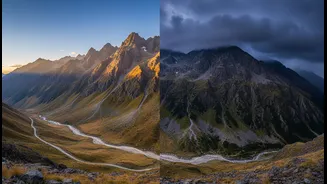
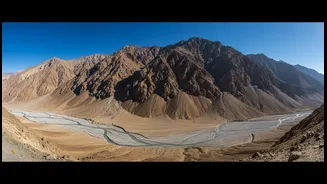
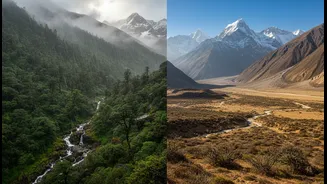
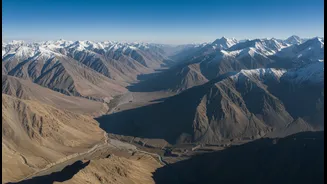
The secret to Ladakh and Spiti's pleasant monsoon season lies in a simple geographical phenomenon: the rain-shadow effect. The towering Himalayan ranges act as a colossal barrier, blocking the moisture-laden monsoon clouds from crossing over into these
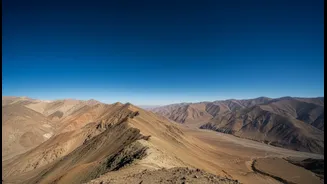
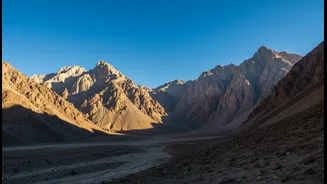
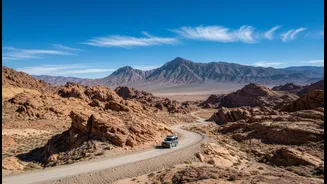
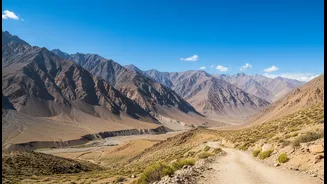
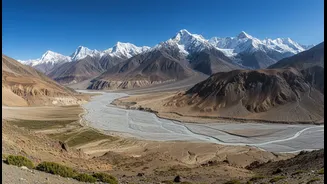
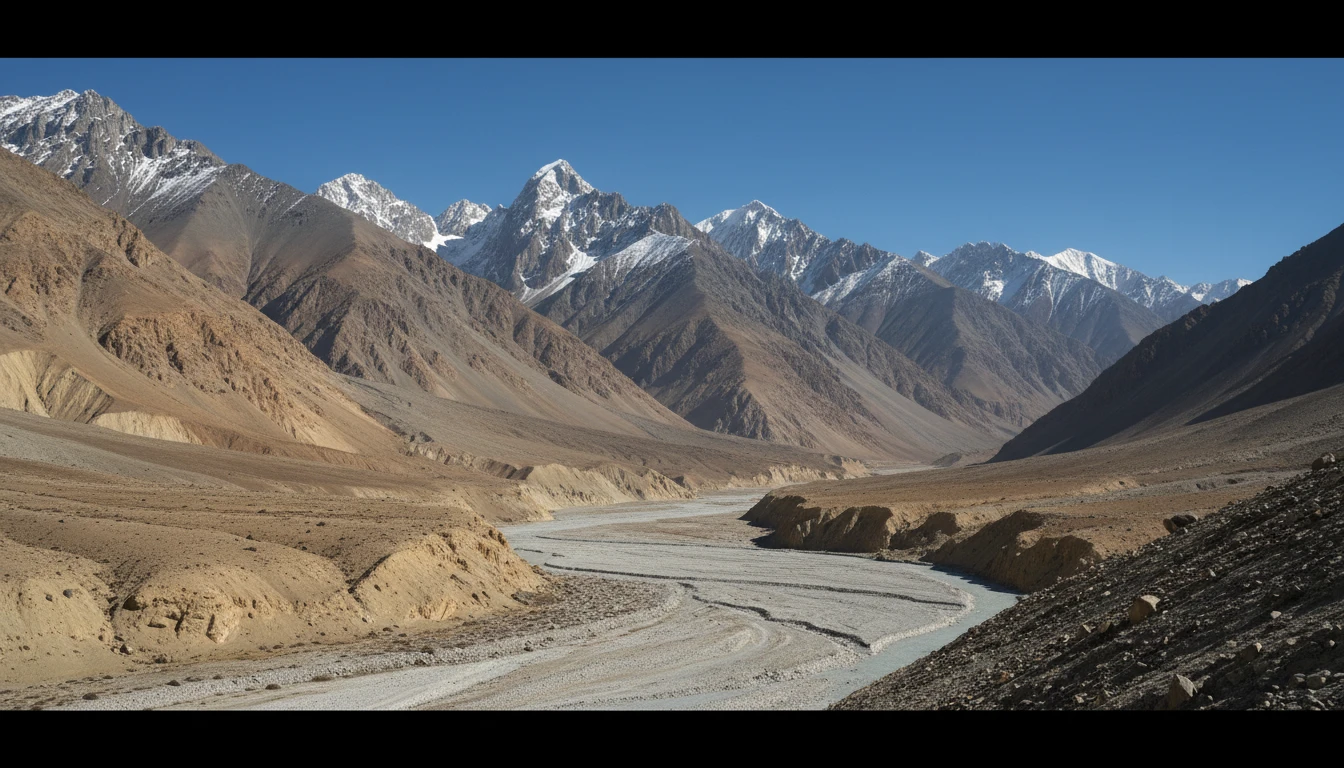
high-altitude deserts. While the rest of the country experiences heavy downpours, these regions remain overwhelmingly dry and sunny. For urban dwellers tired of the damp, this makes July and August the perfect window to trade muddy puddles for stark, sun-drenched mountainscapes. Instead of rain, you get clear blue skies, comfortable daytime temperatures, and prime conditions for exploration.
Ladakh: Land of High Passes and Blue Lakes
Ladakh in the monsoon months is arguably at its peak. With daytime temperatures hovering between 15°C and 25°C, the weather is ideal for sightseeing. All major internal routes, including those to the iconic Pangong Tso and the stunning Nubra Valley, are open and accessible. This season is also perfect for adventure sports, with high water levels in the Zanskar and Indus rivers creating thrilling opportunities for white-water rafting. While crowds can be a factor, they are often less than in the peak summer month of July, offering a sweet spot for travel. The most reliable way to reach Ladakh during this time is by flying into Leh, as the approach roads from Manali and Srinagar can be susceptible to monsoon-related landslides in their lower reaches.
Spiti: A World Within a World
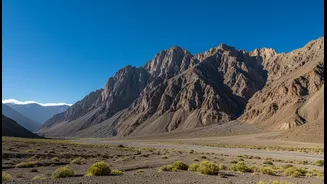
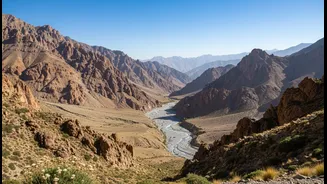
Spiti Valley, with its raw and remote beauty, offers a quieter alternative. While it's a cold desert, the light monsoon showers it does receive can transform parts of the valley, bringing out surprising shades of green and causing wildflowers to bloom. This creates a stunning contrast against the barren, brown mountains. Key attractions like the cliffside Key Monastery, the ancient Tabo Monastery, and charming villages like Kibber and Langza are at their most serene. The La Darcha Fair, a vibrant cultural festival celebrating trade between Himalayan regions, often takes place in July, offering a unique cultural immersion. For travellers, the journey is as important as the destination, and here Spiti presents a crucial choice.
A Word of Caution: The Journey Matters
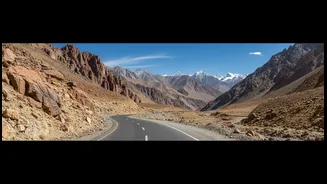
Here’s the essential part of the “cheat code”: while the destinations are dry, the journeys there are not. The popular Manali-Leh and Manali-Kaza highways are notoriously vulnerable to monsoon fury. Landslides, flash floods, and slushy water crossings are common, especially on the stretches outside the rain-shadow zone. Smart travellers factor this in. The Shimla-Kaza road into Spiti is generally considered more reliable during monsoons, though it's not entirely immune to blockages. Flying into Leh is the safest bet for a Ladakh trip. For road trippers, building buffer days into your itinerary is non-negotiable to account for unexpected delays. Always check the latest road status from official sources before and during your travel.