

The Science of a Spicy Sensation
The sensation of heat in chillies comes from a compound called capsaicin. It’s a tricky molecule that doesn't actually burn your mouth with thermal heat, but instead binds to pain receptors that are designed to detect high temperatures. This tricks your brain
into thinking your mouth is on fire. Critically, capsaicin is an oil-based, or lipophilic, compound. This means it doesn't dissolve well in water but readily dissolves in fats and oils. This single property is the key to understanding why the timing of your spice addition matters so much. When you try to rinse away the burn with water, you often just spread the capsaicin molecules around, making the sensation worse.
Why Cooked-In Heat Is So Stubborn
When you add chilli powder, chopped green chillies, or even a tadka with whole dried chillies at the beginning of the cooking process, the capsaicin has time and opportunity to work its way into the very fabric of your dish. As ingredients cook, fats and oils are rendered out. The capsaicin dissolves into these oils, which then coat and seep into every piece of vegetable, lentil, or meat in the pot. The longer it cooks, the more thoroughly this spicy oil gets distributed. It's not just sitting on the surface; it becomes an integral part of the dish's chemical makeup. This infusion process means the heat is pervasive and locked in, making it incredibly difficult to isolate or remove.
The Simplicity of Table-Side Spice
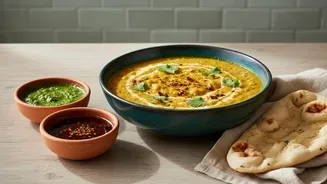
In contrast, adding heat at the table is a completely different game. When you drizzle a hot sauce, sprinkle chilli flakes, or add a spoonful of chilli pickle to your plate, the capsaicin is mostly a surface-level addition. It hasn’t had hours to dissolve and integrate into the fats of the entire dish. This gives you, the eater, total control. The heat is less uniform and easier to manage with each bite. If a particular spoonful is too intense, the next one won't be. You can easily moderate the experience by scraping a little off or simply not adding as much to begin with. It's a customised heat, not a committed one.
Your Rescue Plan for Over-Spiced Food
So, you’ve gone too far with the initial spicing. Don’t panic; there are ways to dial it back. The first and most effective method is dilution: add more of the main, non-spicy ingredients to the pot. This could mean more tomatoes, stock, vegetables, or lentils to increase the overall volume and lessen the concentration of capsaicin. Another powerful strategy is to leverage capsaicin’s love for fat. Stirring in a spoonful of ghee, a splash of coconut milk, or a dollop of full-fat yoghurt or cream can work wonders. The fat molecules bind with the capsaicin, effectively neutralizing the burn on your palate. Casein, a protein in dairy, also helps by protecting your mouth's receptors from capsaicin's effects.
Balancing with Acid and Sweetness
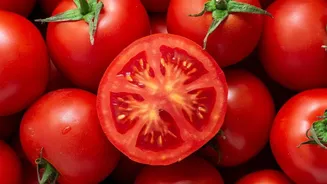
If you can’t add more bulk or fat, turn to acid and sugar. A squeeze of lemon or lime juice, a dash of vinegar, or even a bit of tomato can help counteract the heat. The acid provides a different flavour profile that can help balance the perception of spiciness. Similarly, a pinch of sugar or a bit of honey can help tame the flames. The sweetness provides a pleasant distraction for your taste buds and can physically bind with capsaicin molecules to a degree. When using these methods, add a little at a time and taste as you go to avoid overcorrecting and turning your savoury dish into something else entirely.