


What is a Textured Fringe?
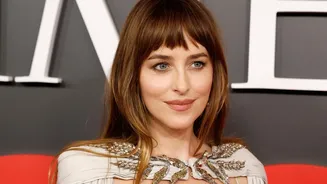
Before diving into specific styles, let's define what 'textured' really means. Unlike a blunt fringe that's cut in a sharp, solid line, a textured fringe is cut using techniques like point-cutting or razoring to create varied lengths and softer edges.
The result is a fringe that looks more natural, 'lived-in', and full of movement. This approach removes bulk, making it a flattering option for many hair types and a forgiving choice for those new to bangs.
The Wispy, Feathered Fringe
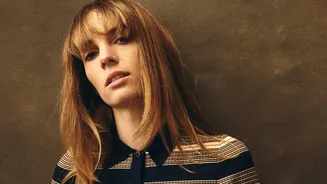
If you want the effect of a fringe without the full commitment, wispy is the way to go. This style features fine, see-through strands that graze the forehead, creating a delicate, airy look. It's incredibly versatile and works well for those with finer hair, as it doesn't require a lot of density to look complete. A wispy fringe softens facial features, particularly on square or heart-shaped faces, and grows out gracefully, making it a low-risk, high-reward option.
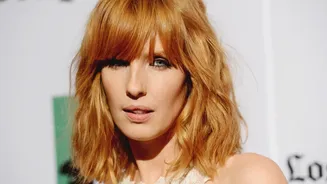
The Choppy and Piecey Fringe
For a look with a bit more attitude, the choppy fringe is an excellent choice. Characterized by intentionally uneven, piecey ends, this style adds an edgy, modern flair to any haircut. It creates an illusion of thickness and volume, making it great for adding dimension. Choppy bangs pair perfectly with layered styles like a shag or wolf cut, enhancing the overall relaxed and rock-and-roll vibe. Styling is often as simple as using your fingers and a bit of texturizing spray to define the separated pieces.
Textured Curtain Bangs
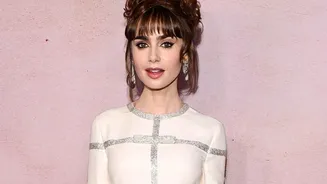
The curtain bang remains one of the most popular fringe styles for a reason: it's effortlessly chic and incredibly flattering. When you add texture, it gets even better. Curtain bangs are parted down the middle and sweep to each side, framing the face. By adding soft, textured layers, the style becomes less about a perfect 70s flick and more about a casual, modern frame. This makes it suitable for nearly all face shapes and hair textures, including wavy and curly hair.
The Soft Curly Fringe
Those with natural curls can absolutely embrace a fringe. The key is to work with your hair's texture, not against it. A skilled stylist will cut a curly fringe dry to see how your specific curl pattern sits and springs up. The goal is to create a soft, rounded shape that enhances your natural volume and frames your face beautifully without creating a dreaded triangular shape. With the right cut, a curly fringe feels intentional and stylish, adding a playful and romantic touch to your look.
How to Style Your New Fringe
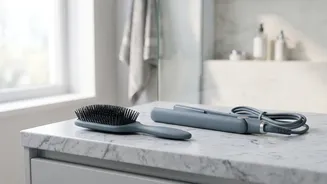
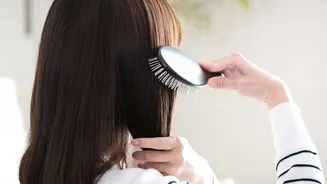
The beauty of a textured fringe is its low-maintenance appeal. The goal is an 'undone' look. Start with towel-dried hair and consider applying a texturizing or sea salt spray for grip. Use a blow dryer on low heat, directing the air where you want the fringe to fall. Avoid using a brush too much, as it can smooth the pieces back together; your fingers are often the best tool. Once dry, you can work a small amount of matte paste or clay through the ends to enhance separation and hold the style.