






First, What Exactly Is E20 Fuel?
Think of E20 fuel as a cocktail for your car. It's a specific blend of 80% petrol and 20% ethanol. Ethanol is a type of alcohol produced from renewable biological sources, which in India primarily means sugarcane, but also maize and other grains. The
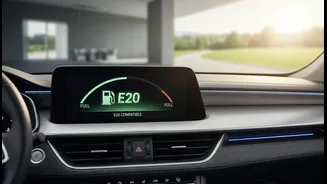
Indian government has made E20 the standard petrol available across the country, a major policy shift aimed at achieving several national goals at once. All new cars sold since April 2023 are required to be E20-compatible, meaning their engines and fuel systems are specifically designed to run on this blend.
The Big Picture: Why the Push for E20?
This move isn't just about changing what’s at the pump; it's a strategic decision. By blending 20% domestically produced ethanol, India reduces its massive and expensive reliance on imported crude oil, saving valuable foreign exchange. The policy also provides a stable source of income for the nation's farmers, creating a guaranteed market for their produce. On the environmental front, E20 fuel burns cleaner than pure petrol, resulting in lower emissions of carbon monoxide and hydrocarbons, which is a step toward better air quality in our cities.
The Rupee Question: Does It Actually Save You Money?
This is the most critical question for any budget-conscious buyer, and the answer is nuanced. The government's goal with E20 is more about long-term price stability than immediate--and-lower pump prices. In fact, authorities have stated that with current crude oil prices, producing E20 can be more expensive than pure petrol because of the fixed price paid to farmers for ethanol. The real saving for the country comes from being less vulnerable to global oil price shocks. For the consumer, however, it's a different calculation. E20 fuel contains slightly less energy than pure petrol, which can lead to a minor drop in mileage—estimated to be between 3% and 7%. So, while the pump price might not be lower, you may end up using slightly more fuel to cover the same distance, potentially increasing your running costs by a small margin over a year.
The Budget Lineup: Your E20-Compatible Options
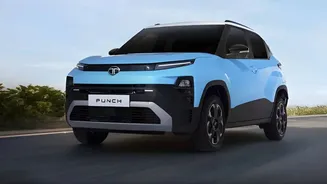
The good news for young buyers is that manufacturers have made their most popular and budget-friendly models E20-compatible. You don't have to break the bank to get a compliant car. Automakers like Maruti Suzuki, Hyundai, and Tata Motors have ensured their entire passenger vehicle fleets are ready for the new fuel. This includes go-to first-car choices like the Maruti Suzuki WagonR, Alto K10, and Swift; the Hyundai Grand i10 Nios and Exter; and the Tata Punch and Tiago. These cars, which are the backbone of the budget segment, have been updated with engine components and fuel systems that can handle the new blend without any issues.
Are There Any Downsides to Consider?
While new cars are built to handle E20, the rollout has two main considerations for a new owner. The first is fuel efficiency. As mentioned, the lower energy density of ethanol means you might see a small drop in your car’s mileage. Manufacturers are continuously working to optimize engines to minimize this loss, but it's a scientific reality of the fuel itself. The second consideration was the initial availability of the fuel, but with the nationwide mandate, finding E20 at petrol pumps is becoming standard. The transition is part of a long-term energy strategy, and while it has a learning curve, it is the new normal for Indian motoring.