




More Than Just a Pretty Plant
For generations, the idea of green space in a city meant a designated park or a manicured lawn—islands of green in a sea of grey. But a new wave of urban design, often called 'biophilic design', is changing that. The philosophy is simple yet profound:
instead of setting nature aside, we should integrate it directly into the buildings and infrastructure where we live and work. This isn't just about aesthetics; it's a strategic response to the pressing challenges of modern city life, including rising temperatures, air pollution, and the growing need for spaces that support our mental well-being. This movement sees nature not as a luxury, but as essential urban infrastructure.
The Vertical Ascent of Nature
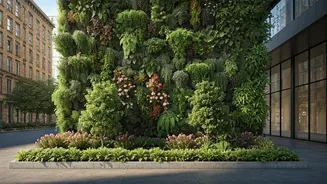
Look up in cities like Mumbai, Bengaluru, and Delhi, and you might see the most visible sign of this green upgrade: vertical gardens. These 'living walls' are transforming stark building facades, flyover pillars, and metro stations into vibrant tapestries of foliage. Composed of specially designed panels that hold soil or another growing medium, these gardens are irrigated by drip systems, making them surprisingly efficient. Their benefits are immense. They act as natural air purifiers, filtering out pollutants and releasing oxygen. They also serve as a 'green curtain', insulating buildings from the harsh sun, which can significantly reduce air conditioning costs and combat the urban heat island effect that makes cities several degrees hotter than surrounding rural areas.
Breathing Life into Small Spaces
Not all green upgrades need a skyscraper for a canvas. A powerful trend taking root across India is the creation of 'Miyawaki forests'. Named after the Japanese botanist who pioneered the technique, this method involves planting a dense mix of native trees and shrubs in very small areas—sometimes no larger than a few parking spaces. The plants grow in intense competition with each other, shooting upwards towards the light. The result is a self-sustaining, multi-layered forest that can grow ten times faster and be thirty times denser than a conventional plantation. Cities are using this technique to rapidly transform barren plots, industrial verges, and neglected public lands into thriving biodiversity hotspots that support birds and insects, improve groundwater levels, and provide a much-needed pocket of wilderness amidst the urban sprawl.
Cooling from the Top Down
Another crucial innovation is happening on our rooftops. Traditionally, city roofs are covered in dark, heat-absorbing materials that contribute to soaring temperatures. Green roofs, or living roofs, flip this concept on its head by covering the surface with a waterproof membrane, a drainage system, and a lightweight growing medium for plants. The benefits are threefold. Firstly, they provide excellent insulation, keeping buildings cooler in the summer and warmer in the winter, leading to energy savings. Secondly, they absorb rainwater, reducing the strain on city drainage systems during heavy monsoons and preventing street-level flooding. Finally, they create new habitats for wildlife and can even be used for urban farming or as recreational spaces for building residents.
An Upgrade for Body and Mind
Perhaps the most important benefit of this green upgrade is its impact on us. Study after study has shown that regular exposure to green spaces reduces stress, lowers blood pressure, and improves mental clarity. Living on a street with trees or working in an office with a view of nature has been linked to higher levels of happiness and productivity. As our cities become more crowded and our lives more digitally connected, these pockets of nature provide a vital antidote. They offer a place for quiet contemplation, a connection to the natural world, and a reminder that our cities can be places that nurture us, not just house us.