








The Backlash Against Restriction
For years, urban India has been a hotbed for global wellness trends. From keto and paleo to intermittent fasting and 'clean eating', the pressure to conform to a narrow, often Westernised, ideal of health has been immense. This involved demonising entire
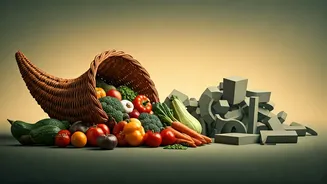
food groups, especially traditional staples like rice and wheat. But the pendulum is swinging back. Young foodies, armed with social media and a renewed sense of cultural pride, are questioning the gospel of restriction. They're tired of the guilt, the anxiety, and the social isolation that often accompanies strict dieting, especially during festivals and family gatherings where food is central to connection.
From ‘Performance’ to Pleasure
The shift is away from performative wellness—eating for the 'gram-worthy' flat stomach—and towards a more holistic, pleasure-centric approach. The new goal isn't a number on a scale but a feeling: satisfaction, energy, and mental peace. This movement redefines a 'good' meal not by its calorie count but by its taste, its context, and the joy it brings. It's the difference between mechanically consuming a bland salad because you 'should', and savouring a bowl of dal makhani because it nourishes your soul as much as your body. This is a quiet rebellion against the idea that food must be earned through exercise or that pleasure is a sinful indulgence.
The Rise of ‘Intuitive Eating’
At the forefront of this change is the concept of intuitive eating. It’s a simple yet revolutionary idea: listen to your body. Instead of following external rules about what, when, and how much to eat, you tune into your own hunger and satiety cues. Craving something sweet after lunch? Have it, enjoy it, and move on, without the guilt that fuels a binge-restrict cycle. Proponents argue it’s the anti-diet, a framework for healing one's relationship with food. For many young Indians exhausted by a decade of conflicting diet advice, this permission to trust themselves feels like a profound relief and a path to sustainable well-being.
Reclaiming Traditional Food Wisdom
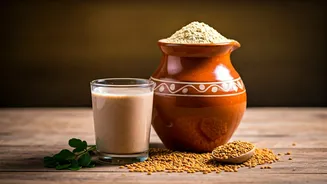
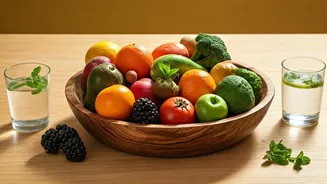
This anti-diet wave isn't just about adopting new-age Western concepts; it's also about looking inward and backward. Many are finding wisdom in the very kitchens they were taught to distrust. They are celebrating ‘ghar ka khana’ (home-cooked food) and the balanced, time-tested principles of Indian food philosophy. Think rediscovering the benefits of fermented foods like idli and dosa, the digestive power of spices, or the simple logic of eating seasonal, local produce. This isn't about blind nostalgia but a conscious choice to embrace a food heritage that has always been inherently balanced, long before the term 'superfood' was ever coined.
Social Media’s Role Reversal
Ironically, the same platforms that once amplified toxic diet culture are now becoming a hub for its deconstruction. While the ‘What I Eat in a Day’ videos promoting dangerously low-calorie intakes still exist, they are being drowned out by a vibrant new genre of content. Creators are going viral for celebrating street food, sharing cherished family recipes, and debunking diet myths with wit and evidence. Nutritionists and therapists on Instagram and YouTube are gaining massive followings by advocating for ‘food freedom’ and body neutrality. The algorithm, it seems, is slowly learning that authenticity and joy are more engaging than aspiration and shame.