



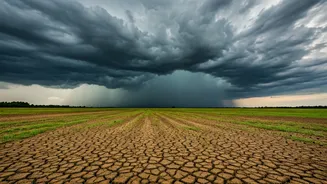




The Current Weather Scenario
After a period of intense heat and humidity, the southwest monsoon is advancing across North India, with its arrival in Delhi and the surrounding areas of Noida, Gurgaon, Ghaziabad, and Faridabad imminent. The India Meteorological Department (IMD) has
forecast cloudy skies with spells of light to moderate rainfall, thunderstorms, and gusty winds over the next few days. While today, June 30, may see partly sunny skies with a chance of light rain, conditions are expected to become more intense starting from July 1, with heavy thunderstorms predicted. This transition period, marked by the interaction of dry and moist air, can lead to sudden and intense downpours.
Understanding the Alerts
The IMD uses a colour-coded system to issue weather warnings. A 'Yellow' alert suggests being aware and updated, as it indicates the possibility of weather that could cause disruptions. An 'Orange' alert calls for preparedness, as it warns of weather with the potential for significant impact on daily life, including transport disruption and waterlogging. In the past, heavy rainfall has prompted authorities to issue such alerts for the NCR. Residents should pay close attention to these warnings as they provide a crucial heads-up on the severity of expected weather. Advisories often recommend avoiding unnecessary travel during peak storm periods.
Navigating Traffic and Waterlogging
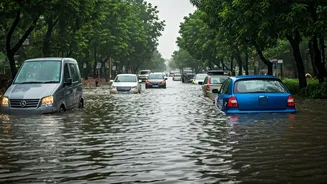
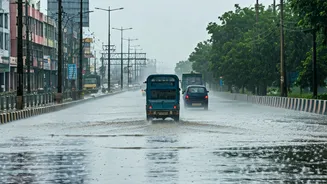
The biggest challenge for NCR residents during the monsoon is commuting. Heavy rainfall frequently leads to severe waterlogging, turning major arterial roads and underpasses into bottlenecks. Areas like the Delhi-Jaipur Expressway, and key choke points in Gurgaon such as Hero Honda Chowk and Sohna Road, are notoriously prone to 'Gurujams' where commuters have been stuck for hours. Before stepping out, it is essential to check for traffic advisories issued by the local police. These updates can provide real-time information on closed routes, diversions, and heavily congested areas, allowing you to plan an alternative route or mode of transport.
Your Go-To Digital Resources
Staying informed is easier than ever with a variety of digital tools at your disposal. For weather forecasts and warnings, the IMD's official website and its 'Mausam' app are the most reliable sources. For real-time traffic conditions, navigation apps like Google Maps provide live updates on congestion. Furthermore, the social media handles of the Delhi, Noida, and Gurgaon traffic police are invaluable resources. They often post immediate updates on waterlogged areas, accidents, and diversions. Following these accounts can provide the most current ground-level information, which is often more dynamic than a standard weather forecast.
Beyond Your Commute
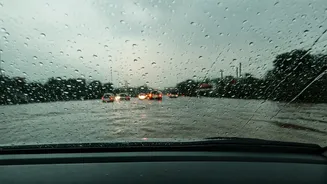
The impact of heavy monsoon rain isn't limited to traffic. It can also lead to power outages and disruptions in other essential services. It’s a good practice to ensure your electronic devices are charged and you have basic emergency supplies, like a torch and power bank, ready. Waterlogging also increases the risk of vehicle breakdowns. If you must drive, proceed with caution through flooded streets, as submerged potholes or debris can cause significant damage. In some extreme cases of past rainfall, authorities have advised corporate offices to allow employees to work from home to reduce traffic congestion and ensure safety.