








The Foundation: More Than Just Rubber
Your tyres are the only part of your car in direct contact with the road, a fact that becomes critically important on long highway stretches and unpredictable rural roads. Before any weekend trip, a thorough tyre check is non-negotiable. Start with pressure;
check all four tyres and the spare when they are cold, inflating them to the manufacturer's recommended PSI. Under-inflated tyres can overheat and reduce fuel efficiency, while over-inflation leads to a bumpy ride and uneven wear. Next, inspect the tread. A depth of at least 3-4 mm is advised for good grip, especially if you might encounter wet surfaces. Also, look for any cuts, bulges, or cracks on the sidewalls, as Indian roads are notorious for potholes that can cause such damage. Finally, ensure your wheel alignment has been checked within the last 10,000 km, as poor alignment causes uneven wear and can affect steering. A few minutes spent on these checks can prevent hours of delay and ensure your safety.
Mastering the Clock: It's All in the Timing
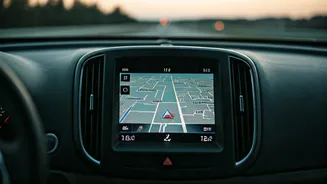
Time management on a road trip isn't just about reaching your destination; it's about making the journey itself enjoyable. One of the biggest stressors is traffic, especially when leaving major cities on a Friday evening. The golden rule is to start early. An early morning departure, ideally between 4 AM and 6 AM, helps you bypass the worst of the city and highway congestion. Use navigation apps like Google Maps to check for real-time traffic updates, but also have a sense of alternative routes. Sometimes, a state highway can be a more scenic and less crowded option than a national highway packed with holiday travellers. Beyond your start time, factor in buffer time. Journeys in India rarely go exactly as planned. Account for unexpected delays, be it a traffic jam, a closed road, or a spontaneous decision to stop at an interesting dhaba. Planning your breaks strategically can also help; stopping during peak traffic hours for lunch allows the congestion to ease while you rest.
The Secret Ingredient: A Healthy Dose of Patience
This might be the most crucial and most difficult element to pack. Indian highways are a shared space of disciplined drivers, reckless overtakers, slow-moving trucks, and the occasional stray animal. Losing your cool won't get you there any faster, but it will ruin your mood. Patience is a safety tool. It helps you make logical choices instead of impulsive, aggressive ones. When you encounter frustrating situations—like a truck refusing to leave the fast lane or a sudden jam—it's better to take a deep breath than to engage in risky manoeuvres. Remember that other drivers aren't trying to annoy you personally; they are just navigating the same chaotic environment. Prepare for this mentally. Create a good playlist or download some podcasts to keep the atmosphere in the car calm. Giving yourself extra time for the journey, as mentioned earlier, is a practical way to foster patience, as it removes the pressure of being late.
Beyond the Basics: A Final Pre-Trip Checklist
While tyres, time, and patience are the pillars of a successful trip, a few other checks will round out your preparation. Pop the hood and inspect essential fluid levels, including engine oil, coolant, and brake fluid. Coolant is especially important for preventing overheating during long drives in the Indian heat. Test all your lights—headlights, brake lights, and indicators—to ensure you are visible to others, especially if your drive extends into the evening. It's also wise to pack a basic emergency kit containing a first-aid box, a torch, jumper cables, and a tool kit. And in many parts of the country, it's still a good idea to carry some physical cash, as not all fuel stations or dhabas in remote areas may accept digital payments. These small steps complete your preparation, setting the stage for a trip that is memorable for all the right reasons.