








Deconstructing Your Pre-Workout Scoop
Let’s be honest: many commercial pre-workout supplements work. They’re formulated to deliver energy, focus, and endurance. The star ingredient is almost always caffeine, the same stimulant that powers the world’s morning routines. But what else is in that scoop?
Often, you’ll find a long list of ingredients including beta-alanine (which causes that tingling sensation), citrulline malate for blood flow, and sometimes creatine for power output. While these can be effective, they’re frequently bundled with artificial sweeteners like sucralose or aspartame, anti-caking agents, and a rainbow of artificial colors and flavors. Many brands also hide their exact dosages within a “proprietary blend,” leaving you unsure of how much of each active ingredient you’re actually consuming.
Coffee: The Original Performance Enhancer
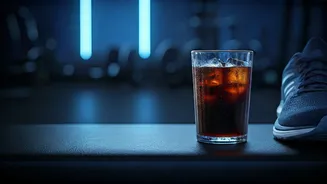
Long before neon powders existed, athletes were using coffee. Caffeine is one of the most studied and proven ergogenic aids available. It works by blocking adenosine, a neurotransmitter that makes you feel tired, while triggering the release of adrenaline. The result? Increased alertness, reduced perception of effort, and improved physical performance across a range of activities, from endurance running to strength training. The science is clear: a simple cup of coffee, consumed about 45-60 minutes before exercise, can tangibly improve your workout. It delivers the key benefit of most pre-workout formulas—a potent dose of caffeine—without any of the other additives.
Why Cold Brew Is the Superior Choice
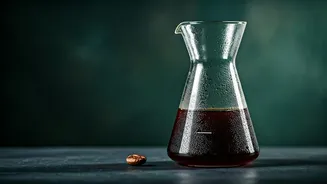
If any coffee works, why single out cold brew? The difference lies in the brewing process. Steeping coffee grounds in cold or room-temperature water for 12-24 hours produces a concentrate that is chemically different from hot-brewed coffee. The primary benefit for athletic purposes is its lower acidity. Hot water extracts more oils and acidic compounds, which can sometimes lead to digestive discomfort or acid reflux—the last thing you want before a set of heavy squats. Cold brew is significantly smoother and gentler on the stomach. This smooth flavor profile also means it’s delicious on its own or with a splash of milk, eliminating the temptation to add sugar or sweetened creamers. It's a naturally “cleaner” tasting energy source.
Control, Simplicity, and Cost
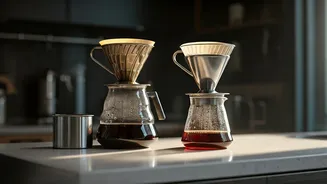
Switching to cold brew puts you in complete control. You choose the beans, you control the strength by adjusting the coffee-to-water ratio, and you know exactly what’s in your cup: coffee and water. There are no hidden fillers or sweeteners. Making it at home is also incredibly cost-effective. A single bag of quality coffee beans can produce weeks' worth of pre-workout energy for a fraction of the price of a premium supplement tub, which can run anywhere from $40 to $60. Your daily dose could cost as little as 30 cents, compared to $1.50 or more per scoop of powder. All you need is a large jar, a filter (like a cheesecloth or a dedicated cold brew filter), and some patience.
When to Stick with a Supplement
To be fair, cold brew isn't a perfect one-to-one replacement for every athlete. If your goals specifically require ingredients like creatine for strength gains (which needs to be taken daily for saturation) or beta-alanine for buffering lactic acid during high-intensity efforts, a dedicated supplement might still be your best bet. Coffee provides the energy and focus, but it doesn't offer those other specific performance compounds. Some people genuinely enjoy the pump-focused ingredients in pre-workouts and the ritual of mixing their drink. The choice depends on your priorities: are you looking for a complex, multi-ingredient performance cocktail, or a simple, clean, and effective energy source?