



The Real Cost: As-Purchased vs. Edible Portion
Every time you shop, you're dealing with two different weights: the 'As-Purchased' (AP) weight and the 'Edible Portion' (EP) weight. The AP weight is what you pay for at the counter—the whole cauliflower, the bone-in chicken, the entire pineapple. The EP weight is what's
left after you’ve removed all the inedible parts like peels, cores, seeds, bones, and excess fat. The difference can be staggering. The actual cost of the food that reaches your plate, known as the Edible Portion Cost, is almost always higher than the price tag you see. To figure it out, you divide the price you paid by the usable weight. This simple shift in perspective can completely change how you see value in the grocery aisle.
The Big Losers: Foods With Low Edible Yield
Some of the biggest culprits for low edible yield are fruits and vegetables with thick skins, large cores, or numerous seeds. A pineapple, for example, loses more than half its weight after you discard the tough skin and core, with a typical edible yield of only about 38-52%. A pomegranate can have an edible yield as low as 44% once you separate the valuable arils from the pith and peel. Vegetables like artichokes (40% yield) and whole broccoli or cauliflower, where you might only use the florets, can also be deceptive. Corn on the cob gives up about two-thirds of its weight to the cob, leaving you with only 36% of what you purchased. Bone-in meats are another major category. While bones add flavour during cooking, they contribute significantly to the weight you pay for but don't eat.
The Smart Buys: Foods With High Edible Yield
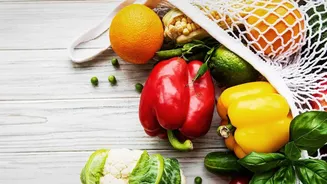
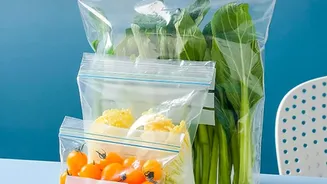
On the other end of the spectrum are foods that offer excellent value because almost everything you buy can be eaten. Think of leafy greens, mushrooms (90% yield), and trimmed green beans. Berries like blackberries and grapes have a very high yield of around 96%, as you only lose the weight of a few tiny stems. Many common vegetables are also efficient buys. Peeled beets have a yield of 91%, and brussels sprouts come in at 90%. Even though a potato needs peeling, its skin is thin, and it's also edible and nutritious, containing a significant amount of the potato's iron and fibre. Choosing items with a high edible portion percentage ensures that more of your money translates directly into food on your family’s plates.
Don't Forget the Shrink Factor
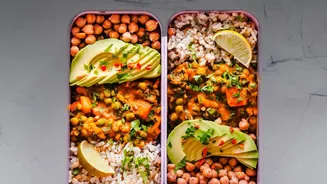
The calculation doesn't stop at peeling and chopping. Cooking itself changes the final yield. Many foods shrink as they cook due to moisture and fat loss. Spinach is a classic example, shrinking by as much as 50% when boiled. Mushrooms can also shrink by 50-60% when stewed. Meats like beef and pork can lose between 25% and 40% of their weight during cooking, depending on the cut and method. Conversely, some foods expand. Grains like rice and pasta, and dried beans, absorb water and increase in volume and weight, making them very cost-effective from a 'plate-filling' perspective. Factoring in this transformation from raw to cooked gives you an even more accurate picture of your meal's final cost.
A Quick Guide to Smarter Shopping
You don't need a calculator for every item, but keeping this concept in mind can guide your choices. When comparing items, like bone-in versus boneless chicken, consider the price difference. If boneless chicken is less than 30% more expensive than bone-in, it might be the better value once you account for the weight of the bones. For produce, look for fruits and vegetables with thinner skins and smaller seeds. Sometimes, smaller fruits can have a better flesh-to-peel ratio. Also, consider pre-prepped options. While often more expensive upfront, things like peeled garlic or cubed butternut squash might be worth it if they prevent waste and save you significant time, especially if the whole vegetable has a low edible yield.