






The Post-Monsoon Sweet Spot
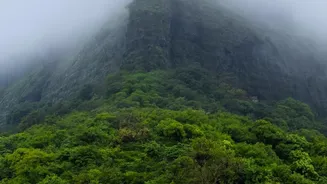
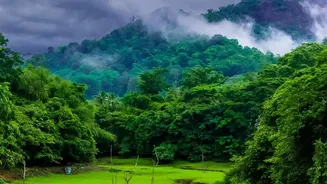
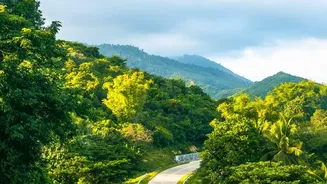
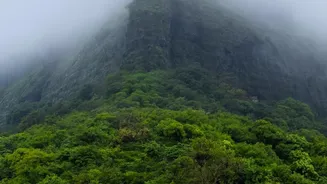
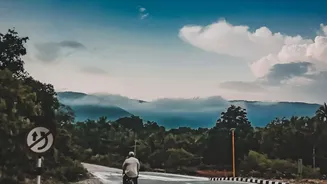
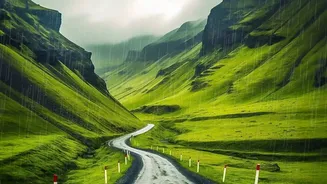
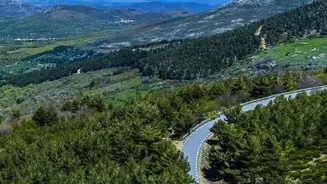
The period from September to November is often considered the best time to visit the Western Ghats. The landscape, freshly washed by the monsoon, is at its most vibrant and green. Unlike the peak rainy season, which can bring travel disruptions like landslides
and slippery roads, the post-monsoon weather is more settled and pleasant. This makes it ideal for driving, trekking, and sightseeing without the intense downpours. The air is crisp, the skies are clearer, and the entire region comes alive with a rejuvenated spirit, offering the cool breezes and stunning views promised.
Malshej Ghat, Maharashtra: Waterfalls and Mist
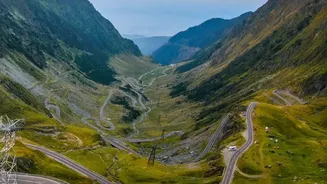
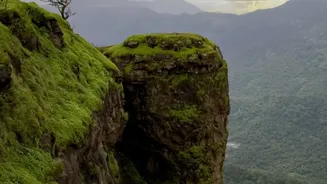
Malshej Ghat, a mountain pass in the Sahyadris, is particularly dramatic after the rains. During these months, the winding roads are flanked by countless seasonal waterfalls that cascade down rocky cliffs. The region is famous for its dense fog that drifts across the valleys and onto the road, creating an ethereal driving experience. While the monsoon itself is spectacular here, the post-monsoon period offers better visibility and safer road conditions. This is also a fantastic time for birdwatchers, as migratory birds, including pink flamingos, are known to visit the nearby Pimpalgaon Joga Dam.
Chikmagalur, Karnataka: Coffee Estates and Green Peaks
Known as the heartland of India's coffee, Chikmagalur is a sea of rolling green hills and aromatic plantations. After the monsoon, the coffee estates are lush and vibrant, and the weather is cool and perfect for exploring. This is the best time to see the region's waterfalls, like Jhari Falls, in their full glory. Treks to peaks such as Mullayanagiri, the highest in Karnataka, become more accessible and offer breathtaking panoramic views of the green-carpeted landscape. The post-monsoon season is ideal for enjoying the open green hills and pleasant weather before winter sets in.
Wayanad, Kerala: Forests and Thundering Cascades
Wayanad, nestled in the northern hills of Kerala, is a land of dense forests, spice plantations, and prehistoric caves. The post-monsoon period, from September onwards, is an excellent time to visit as the landscape is exceptionally green and the waterfalls are powerful. Attractions like Soochipara Falls and Meenmutty Falls, which may have restricted access during heavy rains, are often more accessible and equally spectacular. The clear weather also makes it a great time for trekking up Chembra Peak to see the famous heart-shaped lake or taking a scenic drive through misty tea gardens.
Amboli, Maharashtra: The Cherrapunji of the South
Receiving some of the highest rainfall in Maharashtra, Amboli is a biodiversity hotspot that truly comes alive after the monsoon. While the rains are heaviest from June to August, September offers a sweet spot where the numerous waterfalls, including the main Amboli Falls and the unique Nangarta Falls, are still roaring. The entire ghat is wrapped in mist, and viewpoints like Mahadevgad and Shirgaonkar Point offer stunning, dreamy vistas of the valleys below. The temperature is cool and pleasant, making it perfect for exploring this lush, green paradise without the torrential downpours of peak season.