





What Is the Urban Heat Trap?
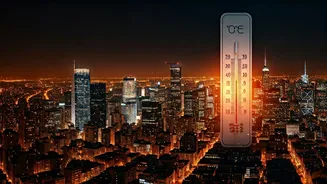
The phenomenon you're experiencing is known as the 'urban heat island' (UHI) effect. It's a term for cities being significantly warmer than their surrounding rural areas. While you might notice the extra heat during the day, the difference is most pronounced
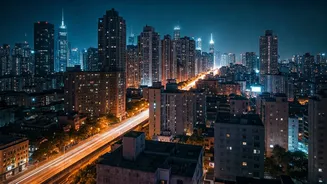
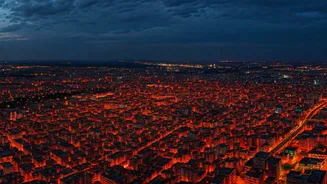
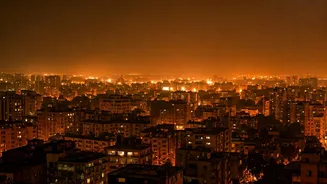
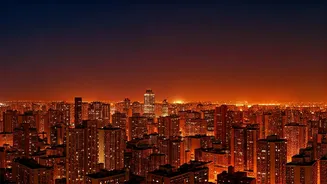
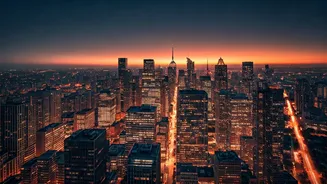
at night. Our cities, with their dense collections of buildings, roads, and other infrastructure, are exceptionally good at absorbing and holding onto the sun's heat. Think of it like a giant storage heater. All day, the concrete, asphalt, and dark rooftops soak up solar energy. When the sun goes down, the countryside cools off relatively quickly. But in the city, those same surfaces slowly release all the heat they've stored, keeping the air warm well into the night.
The Science of a Sleepless Night
The reason nights are warming faster is twofold. Firstly, there's the issue of materials. Concrete can hold about 2,000 times as much heat as an equivalent volume of air. During the day, these materials absorb massive amounts of solar radiation. At night, they radiate this heat back out, warming the air from the ground up. Secondly, the structure of our cities creates 'urban canyons' between tall buildings. These canyons trap the released heat and block wind that could help cool things down. Compounding this is the waste heat generated by human activity — from car engines to industrial processes and, ironically, air conditioners working overtime. This combination ensures that urban areas don't get the same cooling relief as their green-filled, less dense rural counterparts.
The Concrete Jungle's Contribution
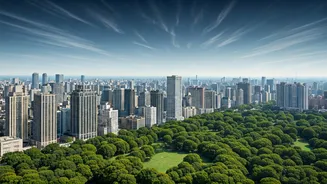
Every element of urban design plays a role. Dark asphalt roads and traditional rooftops are prime culprits, absorbing far more sunlight than they reflect. On a sunny day, a paved surface can be 27-50°C hotter than the air. The lack of green space is another critical factor. Trees and vegetation provide shade and cool the air through a process called evapotranspiration, which works much like sweating does for the human body. As cities like Delhi have seen their tree cover decline, heat stress has intensified. Replacing grass and soil with non-porous concrete and asphalt removes this natural, highly effective air conditioning system. The result is a built environment that actively works against nighttime cooling.
The Human and Economic Cost
This isn't just a matter of comfort; it's a major public health issue. When night temperatures remain high, the body doesn't get a chance to recover from daytime heat, increasing the risk of heat exhaustion, heatstroke, and cardiovascular stress. This disproportionately affects the elderly, children, outdoor workers, and those in low-income communities who may lack access to air conditioning. In India, cities like Delhi, Ahmedabad, and Mumbai have seen their nighttime temperatures soar, directly impacting public health. The constant heat also puts a severe strain on energy grids as demand for air conditioning spikes, leading to higher electricity bills and a greater risk of power outages.
Cooling Our Cities for the Future
The good news is that we have the tools to fight back against the urban heat island effect. Solutions focus on redesigning our cities to work with nature, not against it. 'Cool roofs' using light-coloured, reflective materials can reduce a building's air conditioning needs by up to 20%. Cities like Ahmedabad have already implemented Heat Action Plans, using strategies like public awareness and urban greening to great effect. Increasing green spaces—from large parks and urban forests to green roofs and walls—is one of the most effective strategies. Even simple measures like painting streets with reflective coatings or designing buildings to allow for better airflow can make a significant difference. These changes not only cool our cities but also improve air quality, reduce energy consumption, and create more liveable, resilient communities for the future.