







The Agony and Ecstasy of the Shootout
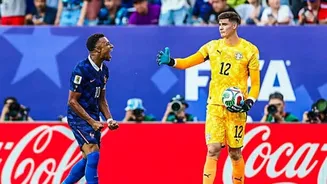
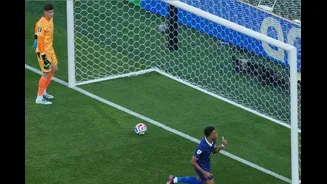
There are few moments in sport as tense as a penalty shootout. It’s a spectacle of raw, individual pressure, where heroes and villains are made in an instant. For fans, it's a nail-biting, can’t-watch-but-can’t-look-away climax. For players, it can be
the crowning moment of a career or a burden they carry for a lifetime. Critics have long derided the shootout as a ‘lottery’—an arbitrary end to a 120-minute team effort, reducing the beautiful game to a series of static shots from 12 yards. It tests nerve as much as skill, and many argue it’s not a true reflection of which team played better football. Some teams even play defensively through extra time, content to take their chances in the shootout, which can stifle the game itself.
Remember the 'Golden Goal'?
From 1993 to 2004, FIFA had what it hoped was a more dynamic solution: the 'golden goal'. The rule was simple and dramatic: the first team to score in extra time won, and the match ended instantly. The term was a marketing-friendly replacement for the more ominous 'sudden death'. The idea was to encourage attacking play in extra time, forcing teams to hunt for a winner rather than sit back and wait for penalties. It gave us some of football's most iconic moments, like Laurent Blanc’s winner for France in the 1998 World Cup and David Trezeguet’s stunning volley to win Euro 2000 for Les Bleus. For a brief period, every attack in extra time carried the electrifying possibility of ending the tournament for one team in a single kick.
Why Was Sudden Death Scrapped?
If the golden goal was so dramatic, why did it disappear? In practice, the rule often had the opposite of its intended effect. Instead of encouraging gung-ho attacking football, the immense pressure of conceding an instant-loss goal made teams terrified to commit players forward. Many extra-time periods became cagey, defensive stalemates, with both sides more afraid of losing than they were hungry to win. The fear of a single mistake leading to immediate elimination paralyzed teams, and instead of reducing the number of shootouts, it often just led to 30 minutes of cautious, low-risk football. The International Football Association Board (IFAB) eventually abolished the rule in 2004, after a brief and unpopular experiment with a 'silver goal' variant, returning to the current system of playing out the full 30 minutes of extra time.
A Test of Team Play vs. Individual Nerve
The core of the debate comes down to what we want a tie-breaker to measure. The golden goal, for all its faults, was a continuation of open play. A winning goal had to be created through teamwork, strategy, and a moment of collective brilliance or opportunism, just like any other goal in the match. The penalty shootout, by contrast, isolates individuals. It strips away the team dynamic and places an immense psychological burden on a handful of players. While taking a penalty is a display of immense skill under pressure, it’s a different kind of skill from the fluid, 11-a-side game that preceded it. One method rewards a decisive moment in the flow of the game, while the other creates a separate, high-stakes mini-game to determine the winner.
Is There a Better Way?
The search for the perfect tie-breaker is football's unending quest. Before penalties, deciders as arbitrary as a coin toss or drawing lots were used to separate teams. Over the years, countless alternatives to the shootout have been proposed. Suggestions have included everything from a running tally of corner kicks or shots on target to more radical ideas like the 'Attacker-Defender-Goalkeeper' (ADG) contest, where an attacker has a set time to score in a one-on-one-on-one situation. Each alternative presents its own set of complications and potential for unfairness. The fact that none have been adopted by FIFA shows how difficult it is to find a solution that is fair, exciting, and respects the integrity of a 120-minute battle.