


The Thrill of the Forage
Forget stuffy supermarket aisles. The latest frontier for Indian food lovers lies on the damp, mossy floors of its forests. From the high Himalayas to the Western Ghats, a new generation of chefs, culinary enthusiasts, and curious travellers is discovering
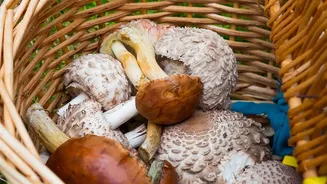
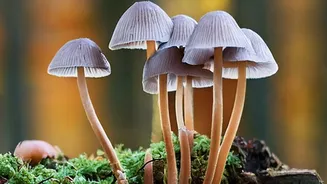
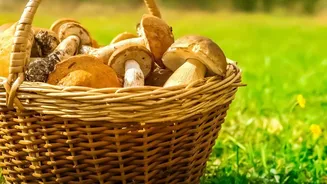
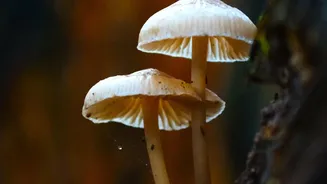
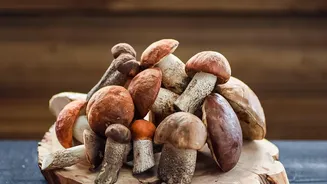
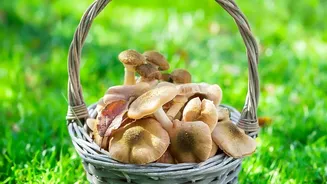
the thrill of foraging. They are seeking out wild, edible fungi that sprout for just a few precious weeks a year. This isn't just about finding free food; it’s a movement driven by a desire for deeper connection to nature, a taste of hyperlocal flavours, and the revival of ancient traditions. People leading foraging walks are finding a diverse audience, from urbanites seeking a digital detox to adventurers wanting a different kind of experience. This hands-on approach to sourcing ingredients is changing how many think about the journey from forest to plate.
Himalayan Gold: The Legendary Gucchi
No discussion of Indian wild mushrooms is complete without mentioning Gucchi. Known in English as the morel, this honeycomb-capped fungus is one of the world's most expensive mushrooms, with prices soaring up to ₹30,000 per kilogram. Gucchi cannot be commercially cultivated and must be foraged from the wild Himalayan regions of Jammu and Kashmir, Himachal Pradesh, and Uttarakhand. Locals, often women and children from communities like the Gaddi and Shippi, venture into the forests in spring after the snow melts to find them. This laborious hunt makes the Gucchi a prized delicacy, celebrated for its unique, earthy flavour and spongy texture in dishes like the luxurious Gucchi pulao.
A Monsoon Bounty
When the monsoon arrives, India's forests and plateaus come alive with a spectacular variety of fungi. In Goa and parts of the Western Ghats, the prized Termitomyces, or 'Olmi', grows exclusively on termite mounds and is hailed as a seasonal delicacy. Its meaty texture makes it a star in fiery coconut curries. In the Sal forests of Jharkhand and the Chota Nagpur plateau, local tribes search for 'Rugra', a rare mushroom that resembles small pebbles and is often called 'vegetarian mutton' for its dense texture. Foraging for these mushrooms is a time-sensitive tradition, often requiring generational knowledge to spot the subtle signs of their presence, like tiny cracks in the muddy forest floor.
From Forest Floor to Fine Dining
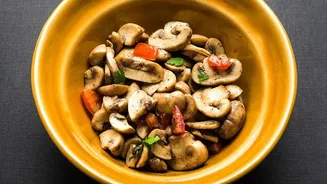
This foraging trend is also making waves in India's culinary scene. Top chefs are increasingly stepping out of the kitchen and into the wilderness to source ingredients that bring authenticity and novelty to their menus. Chef Vanika Choudhary, known for championing foraged ingredients at her Mumbai restaurant, uses wild mushrooms to create innovative dishes that connect diners to India's biodiversity. Similarly, other chefs are incorporating foraged berries, herbs, and roots, but it is the unique umami of wild mushrooms that often takes centre stage. This movement is not just about flavour; it's about storytelling, sustainability, and preserving culinary traditions that are in danger of being lost.
Respecting Tradition and Nature
While the romance of foraging is undeniable, it's a practice built on deep knowledge and respect. For generations, indigenous and tribal communities have been the custodians of this wisdom, possessing an intricate understanding of which mushrooms are edible, medicinal, or toxic. As foraging grows in popularity, it's crucial to approach it responsibly. Over-harvesting threatens these delicate ecosystems, and misidentification can be fatal. The golden rule, shared by seasoned foragers and experts alike, is absolute: if you are not 100% certain of a mushroom's identity, do not eat it. The safest way to explore this world is with an experienced local guide who can share their knowledge and ensure the traditions continue sustainably.