





Understanding Your Pet's Fear
For many pets, the monsoon is not a welcome relief but a source of terror. Their superior hearing means that the thunder we find loud is deafening and disorienting for them. They can also sense changes in barometric pressure and smell the rain long before
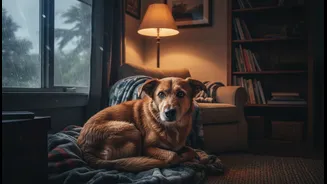
it arrives, heightening their anticipatory anxiety. This fear manifests in various ways, including trembling, excessive panting, drooling, whining, or hiding. When the anxiety becomes overwhelming, it can escalate into destructive actions like chewing furniture, scratching at doors, or having accidents in the house as they desperately try to escape the frightening sounds. This is not bad behavior; it's a panicked response to a perceived threat they cannot understand.
Create a Soothing Safe Haven
One of the most effective immediate steps is to provide a secure space where your pet can retreat. This doesn't have to be anything elaborate. Observe where your pet naturally goes when scared—it might be under a bed, in a closet, or a bathroom with no windows. Make this spot comfortable by filling it with their favourite blankets, toys, and an item of your clothing that carries your reassuring scent. If your pet uses a crate, you can drape a heavy blanket over it to muffle sound and light, but always leave the door open so they don't feel trapped. The goal is to create a den-like sanctuary they can access whenever they feel overwhelmed.
Manage the Sights and Sounds
You can reduce your pet's sensory overload by managing their environment. Close the curtains or blinds to block out unsettling flashes of lightning. Drown out the jarring booms of thunder by playing calming classical music, turning on the television for background chatter, or using a white noise machine. These consistent, predictable sounds can help mask the unpredictable noises from outside, making the environment feel more stable and less threatening for your anxious companion. Even the sound of a fan can help create a buffer against the storm's intensity.
Behavioural Tools and Techniques
Your own behaviour is a powerful tool. Pets are highly attuned to our emotions, so it's crucial to remain calm and act normally yourself. If you are calm, it signals to your pet that there is no real danger. Offer gentle reassurance, but avoid excessive coddling, which can sometimes reinforce their fear. Distracting your pet with a favourite chew toy, a puzzle feeder, or a simple indoor game of fetch can redirect their focus. You can also explore tools like anxiety wraps or 'thunder shirts', which apply gentle, constant pressure that has a calming effect on many animals, similar to swaddling an infant.
Long-Term Solutions and Training
For long-term improvement, consider desensitisation and counter-conditioning. This involves playing recordings of storm sounds at a very low volume while engaging your pet in a positive activity, like eating a special treat or playing. Over many sessions, you can gradually increase the volume. This process helps change their association with the sound from something scary to something that predicts a reward. It requires patience and should be done well outside of the actual monsoon season, but it can be highly effective at reducing the phobia over time.
When to Consult a Professional
While these strategies can help manage mild to moderate anxiety, severe cases may require professional intervention. If your pet's destructive behaviour is extreme, if they risk injuring themselves, or if their anxiety seems to be worsening despite your best efforts, it is time to consult a professional. Your veterinarian can rule out any underlying medical issues and may prescribe anti-anxiety medication to help your pet cope during storms. They may also recommend a certified animal behaviourist who can create a tailored behaviour modification plan for your pet's specific needs.