



An End to the Annual Pothole Plague?
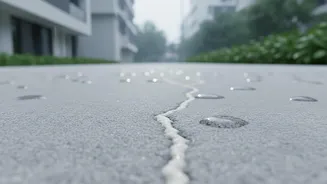
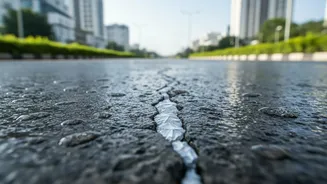
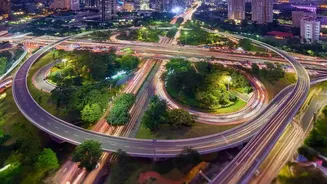
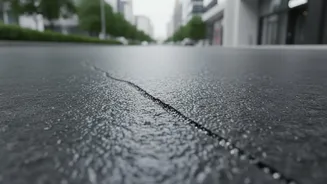
Every year, as the rains lash down on our cities, road surfaces begin to crumble. The result is a jarring and dangerous obstacle course of potholes that damages vehicles and frustrates commuters. The cycle of damage and repair is costly and seemingly
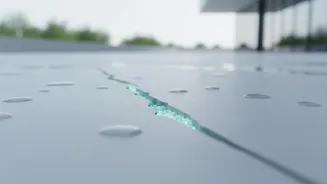
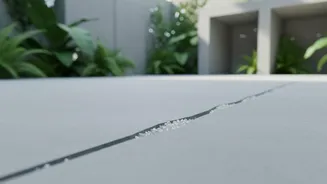
endless. But researchers are developing a revolutionary material that could break this cycle: self-healing concrete, also known as bioconcrete. This innovative material has the built-in ability to repair its own cracks. Instead of dispatching road crews after every downpour, the road could essentially heal itself, using the rainwater as a trigger for its repair mechanism. This could extend the lifespan of structures, reduce maintenance costs, and make our urban infrastructure far more resilient.
The Science of 'Living' Concrete
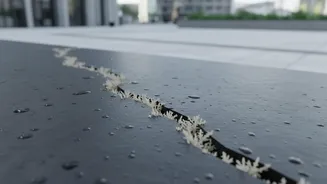
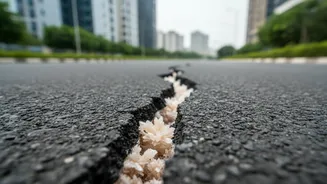
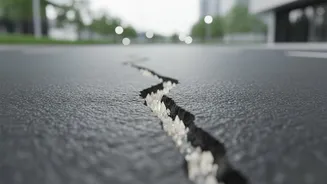
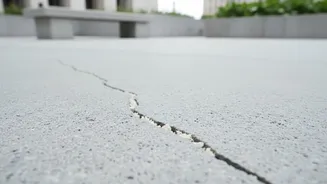
The secret ingredient in this futuristic material is bacteria. Specifically, harmless, soil-dwelling bacteria like Bacillus pasteurii are mixed into the concrete along with their food source, typically calcium lactate. These bacterial spores and their nutrients are encapsulated, remaining dormant and protected within the harsh, alkaline environment of the concrete. When a micro-crack forms in the road, it acts like a tiny wound. Water, from rain or humidity, seeps into this crack, reaching the encapsulated bacteria. This water contact awakens the dormant microbes. The now-active bacteria begin to feed on the calcium lactate and, through a metabolic process, precipitate calcium carbonate — essentially, limestone. This limestone deposit grows and hardens, filling the crack and sealing the damage from the inside out.
Why Rain Becomes an Ally
In conventional road construction, water is the enemy. It penetrates small fissures, erodes the underlying layers, and, when vehicles pass over, hydraulics the crack into a full-blown pothole. With self-healing concrete, this relationship is flipped on its head. Rainwater becomes the essential activator for the healing process. This makes the technology particularly suited for regions with heavy monsoon seasons, like India. Instead of being a period of intense road degradation, the rainy season could become a time of continuous, autonomous maintenance. This natural healing process not only seals cracks but also makes the concrete less permeable, preventing the ingress of water and corrosive agents that damage the internal steel reinforcements.
Benefits Beyond a Smoother Commute
The advantages of bioconcrete go far beyond driver convenience. The production of cement, the key ingredient in concrete, is responsible for a significant percentage of global carbon dioxide emissions. By creating roads and structures that last much longer and require fewer repairs, self-healing concrete can drastically reduce the demand for new cement production over a structure's lifetime. This leads to a smaller carbon footprint. Furthermore, the lifetime cost of a structure can be significantly reduced. While the upfront cost of bioconcrete can be 10-30% higher than traditional concrete, the savings on maintenance and repairs over decades could be substantial, potentially cutting lifecycle costs by up to 50%. Case studies on projects have shown significant reductions in CO2 emissions and extended design life by 15 years or more.
The Road Ahead for Self-Healing Tech
While the technology is incredibly promising, it's not yet standard practice on our city streets. The higher initial cost is a primary barrier to widespread adoption, though this is expected to decrease as the technology is scaled up. There is also a need for more specialised knowledge among contractors and the development of standardised codes for its use. However, the global market for bioconcrete is growing rapidly, with significant investments in research and development. Pilot projects for infrastructure like bridges, tunnels, and marine structures are already underway, proving its effectiveness in challenging environments. As the focus on creating sustainable, resilient 'smart cities' intensifies, the business case for building infrastructure that maintains itself becomes stronger every day.