

India’s Next Interplanetary Leap
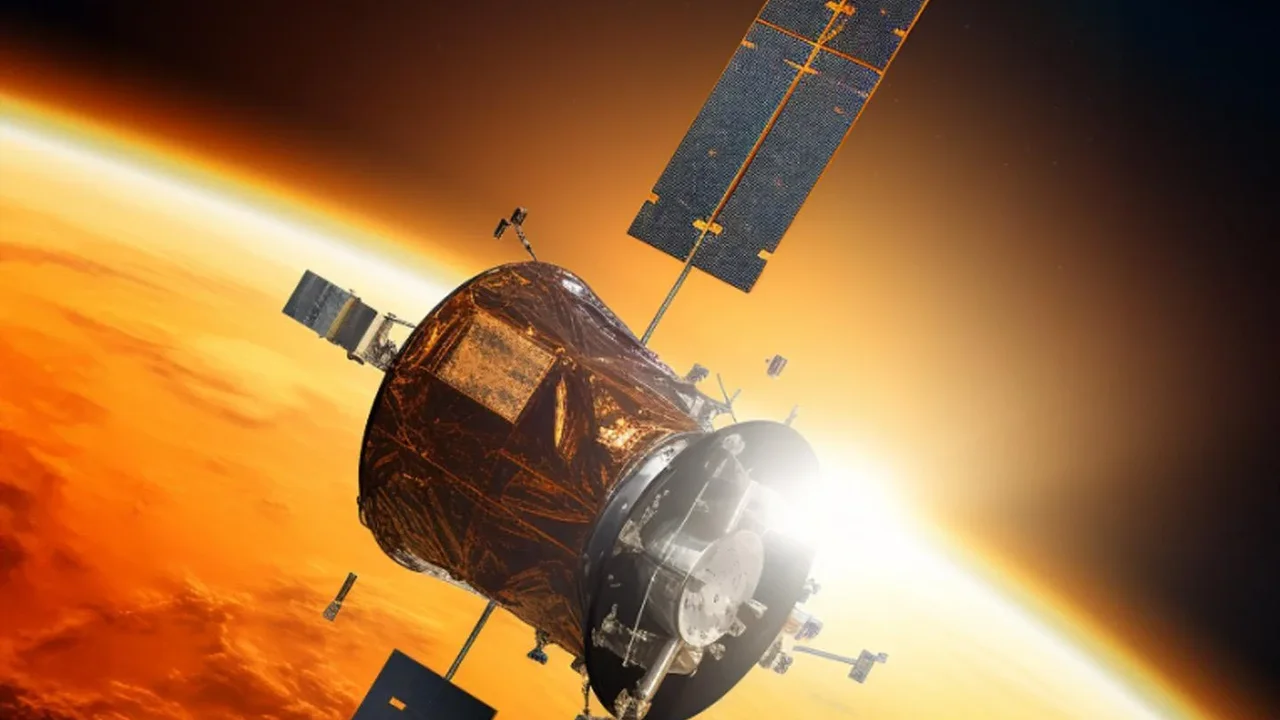
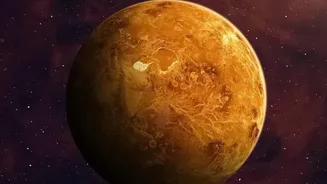
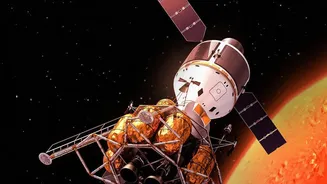
Following the landmark success of its Mars Orbiter Mission (Mangalyaan), the Indian Space Research Organisation (ISRO) is setting its sights on the second planet from the Sun. The Venus Orbiter Mission, unofficially known as Shukrayaan-1, represents India's
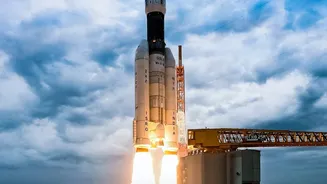
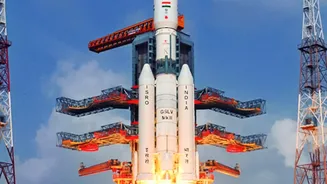
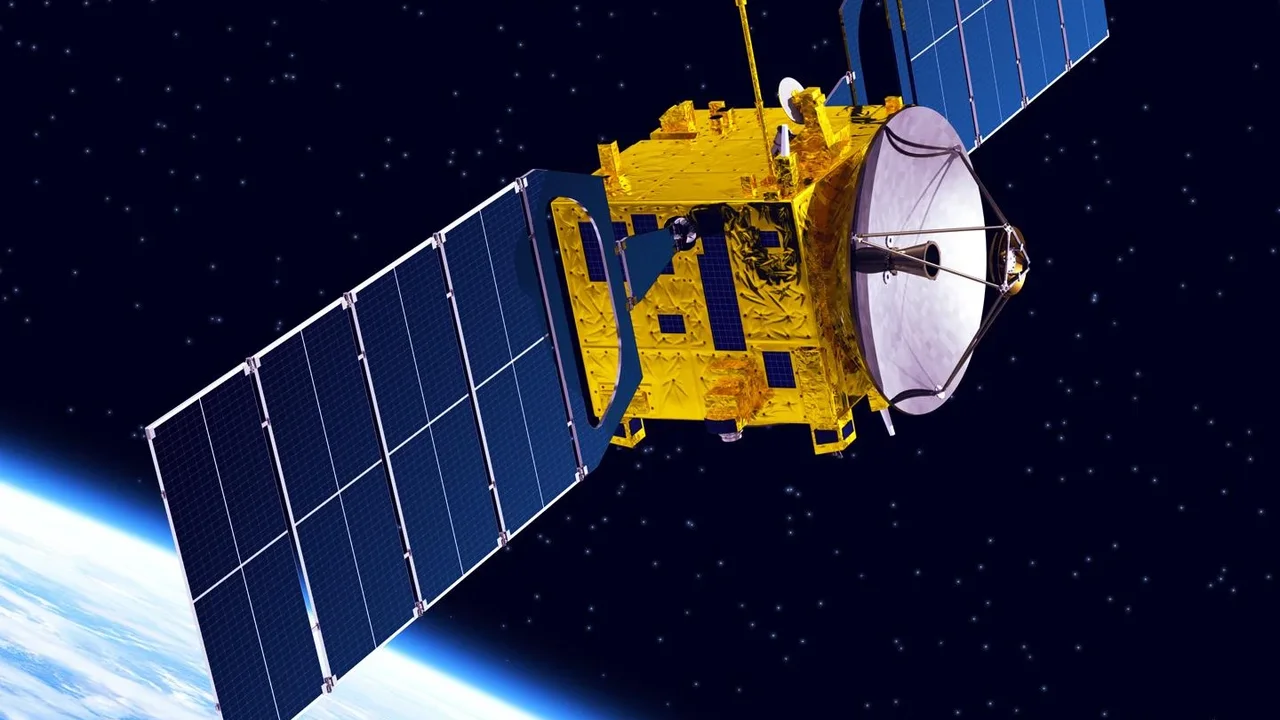
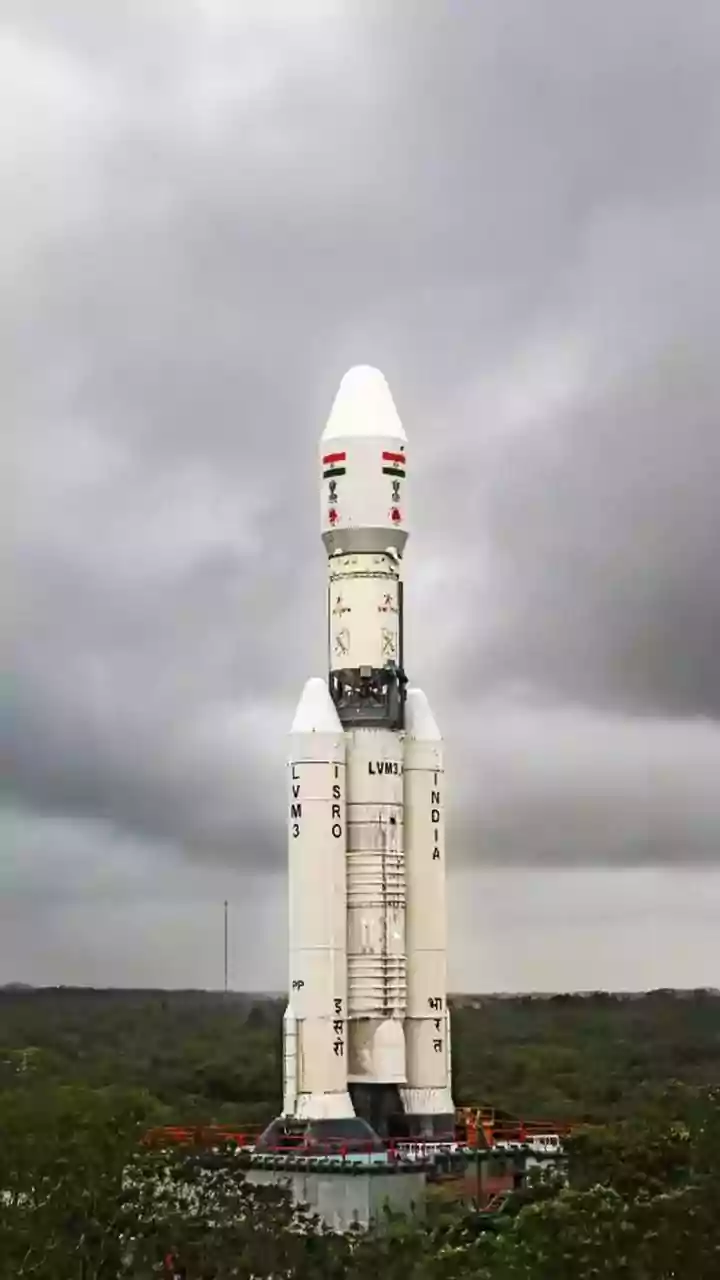
next great leap in planetary exploration. Formally approved by the Union Cabinet on September 18, 2024, the mission is scheduled for a March 2028 launch aboard the powerful LVM-3 rocket. This ambitious project aims to place a sophisticated orbiter around Venus to conduct a comprehensive, long-term study of its surface and brutally dense atmosphere, positioning India among a select group of nations that have explored our mysterious planetary neighbour.
The Science of a Hostile World
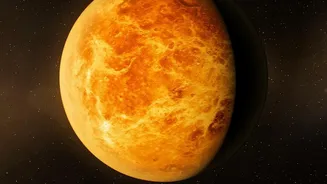
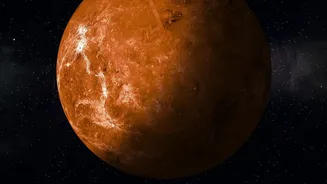
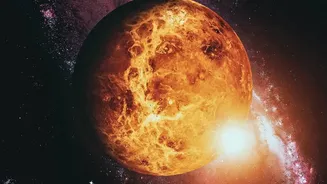
Venus is a planet of extremes. With surface temperatures hot enough to melt lead and an atmosphere thick with carbon dioxide and clouds of sulfuric acid, it is one of the most inhospitable places in the solar system. Scientists believe Venus may have once been more like Earth, possibly with liquid water oceans, before a runaway greenhouse effect transformed it into its current state. Understanding why Earth’s twin evolved so differently is a key scientific question. Shukrayaan-1 will investigate the planet's atmospheric chemistry, its interaction with the solar wind, and its surface geology to piece together its evolutionary history. This data could provide crucial insights into climate change models here on Earth.
Probing a Hidden Surface
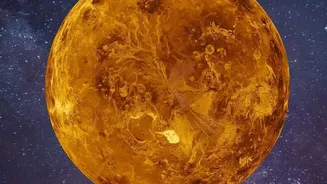
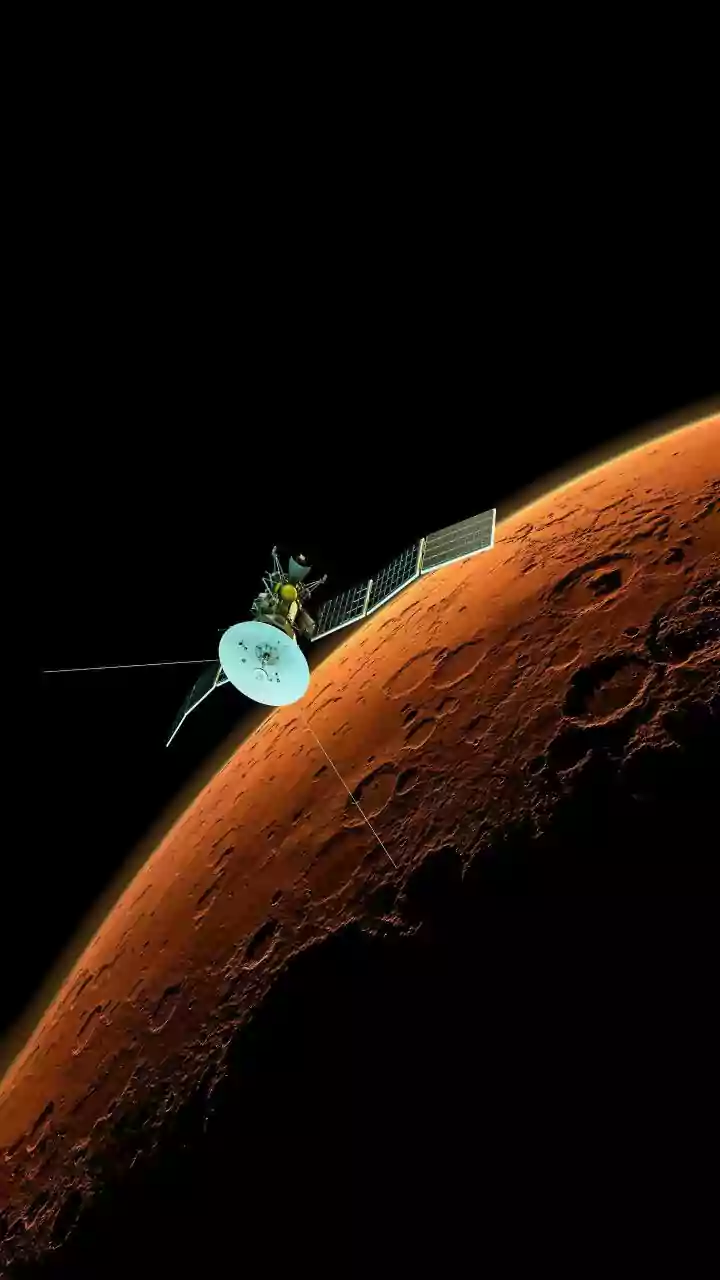
One of the most exciting objectives of the Shukrayaan-1 mission is to map the planet's surface and even peer beneath it. The headline’s mention of “chemical sensors” refers to a suite of advanced instruments designed to analyze the composition of the atmosphere and surface. However, the mission’s primary tools for studying the crust are radar-based. The spacecraft will be equipped with a high-resolution Synthetic Aperture Radar (SAR) and, notably, a ground-penetrating radar — a first for any Venus mission. The SAR will cut through the planet's thick cloud cover to create detailed maps of its topography, searching for signs of active volcanoes and lava flows. The ground-penetrating radar will go a step further, aiming to map the subsurface structure, providing unprecedented clues about the planet’s geological activity and what lies beneath its scorching exterior.
A Suite of Advanced Instruments
The orbiter will carry a payload of around 100 kg, comprising instruments from India and international partners, including Russia, France, Sweden, and Germany. While the radar instruments will focus on geology, other sensors will perform detailed chemical analysis. The Venus InfraRed Atmospheric Gases Linker (VIRAL) will study the atmospheric composition, looking for trace gases that could hint at geological activity or even, as some theories speculate, biological processes high in the cooler cloud tops. Other instruments like the Venus Surface Emissivity and Atmospheric Mapper (VSEAM) and a thermal camera will analyze heat signatures from the surface, helping to identify volcanic hotspots. Together, this array of sensors will provide a holistic view of Venus, from its upper atmosphere down to its hidden crust.
Why the Focus on Crust Shifts?
Probing planetary crust shifts—or tectonics and volcanism—is central to understanding a planet's life cycle. On Earth, plate tectonics is responsible for recycling the crust, regulating the climate over geological timescales, and shaping continents. It is unknown if Venus has similar active processes. Recent evidence from other missions suggests that Venus may still be volcanically active today. By using its advanced radar to look for changes on the surface and its sensors to detect volcanic gases like sulfur dioxide, Shukrayaan-1 aims to confirm whether Venus is geologically alive. Finding active volcanism would revolutionize our understanding of Venus, transforming it from a dormant, hostile world to a dynamic and evolving one. This knowledge is not just for planetary scientists; it helps us build a more complete picture of how terrestrial planets form and what keeps them habitable.