







The Simple Science of a Post-Meal Stroll
Engaging in light physical activity after eating offers significant health benefits, primarily by helping to manage blood sugar levels. When you eat, your body converts carbohydrates into glucose, causing blood sugar to rise. A gentle walk prompts your muscles
to use this glucose for energy, helping to prevent sharp spikes and subsequent crashes. This process can improve insulin sensitivity, which is crucial for long-term metabolic health. Moreover, movement aids digestion by stimulating the stomach and intestines. This can help food move through your system more efficiently, reducing common discomforts like bloating and gas that can follow a meal. Studies show that even a brief 10 to 15-minute walk can make a noticeable difference.
The Golden Window: When and For How Long?
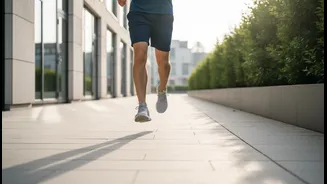
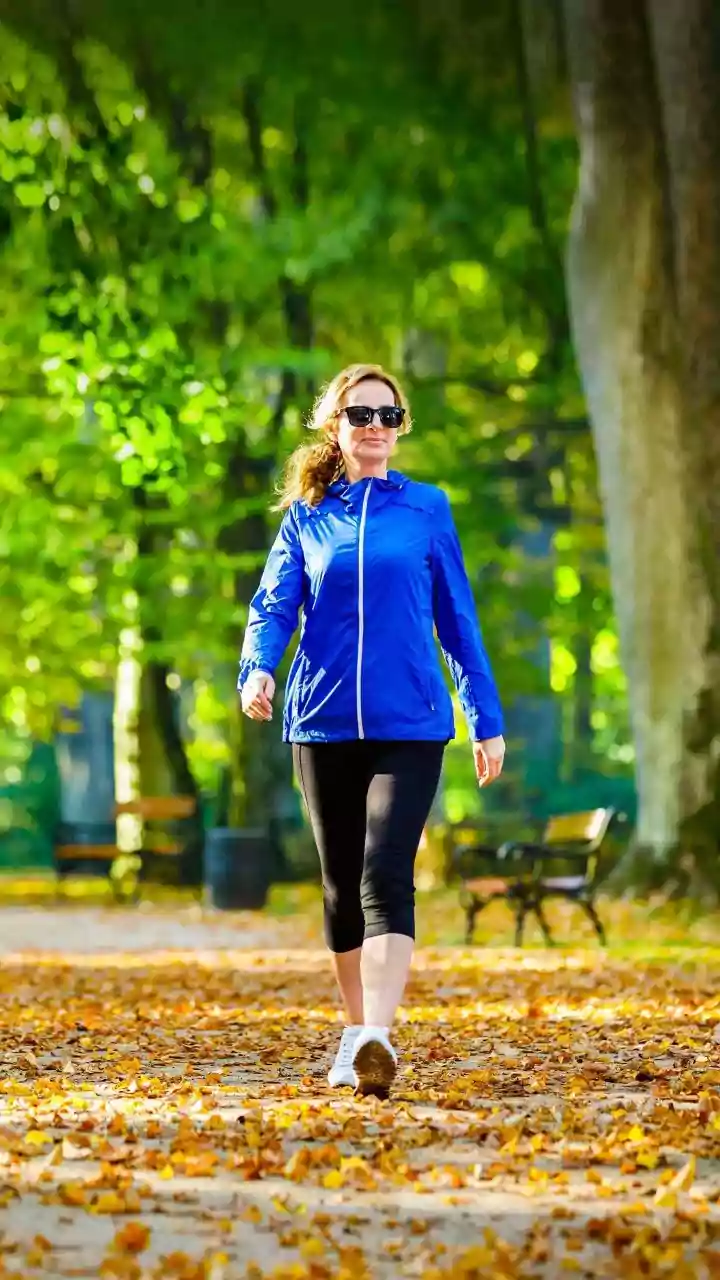
Timing is key to maximizing the benefits. Research suggests that starting your walk shortly after you finish eating is most effective. Aim to get moving within 10 to 30 minutes of your meal to best intercept the rise in blood glucose. You don't need to commit to a long, strenuous workout. In fact, short, frequent walks can be incredibly powerful. Studies have found that even two to five minutes of light walking after a meal can improve blood sugar levels. For most people, a 10 to 20-minute walk at a comfortable pace is an ideal target. This is long enough to stimulate digestion and help balance blood sugar without causing discomfort. If you've had a particularly heavy meal, it's wise to listen to your body and perhaps wait a little longer before starting.
No Park? No Problem. Your Home is Your Gym
The beauty of a post-meal walk is its accessibility. The headline says it all: your corridor, terrace, or a quiet nearby lane are all you need. You can pace back and forth in a long hallway or living room, walk in circles on a terrace, or simply stroll up and down the lane outside your home. The goal is gentle, consistent movement, not covering a great distance. If space is truly tight, even marching in place while watching TV or listening to a podcast can be effective. Pacing during a phone call is another excellent way to multitask and get your steps in. The key is to shift the mindset from exercise needing a special time and place, to integrating small bouts of activity into your existing daily routine.
Beyond Walking: Other Gentle Options
While walking is fantastic, it's not the only option. Any gentle movement that activates your muscles will help. Simple bodyweight exercises like calf raises, which can be done while standing in the kitchen, are surprisingly effective. You can also try gentle yoga poses or stretches, which aid digestion and promote relaxation. Light household chores, like tidying up the kitchen or folding laundry, also count as post-meal movement. The idea is simply to avoid sinking into the couch immediately after eating. For those with limited mobility, even seated marching and arm movements can provide benefits, improving circulation and engaging muscles. The goal is to break up periods of post-meal inactivity.
Making It a Lifelong Habit
The hardest part of any new routine is making it stick. Start small and be consistent. Don't aim for a 30-minute walk after every meal from day one. Instead, begin with a five-minute walk after dinner, the meal after which people are often most sedentary. Link the new habit to an existing one—as soon as you place your last dish in the sink, put on your shoes and step out. Involving family members can create accountability and turn it into a pleasant daily ritual. Track your progress, not for perfection, but for motivation. Seeing how many days in a row you’ve managed a short walk can be incredibly encouraging. Remember that consistency, even in small doses, is far more impactful than sporadic, intense efforts.