





The New Reality of Planning
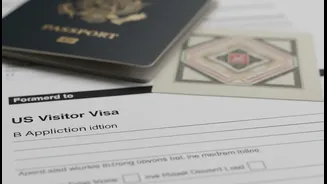
Imagine wanting to attend your child's university graduation, a sibling's wedding, or a critical business conference in the US. The first step isn't booking a ticket; it's securing a visa interview appointment, a process that can take many months. As
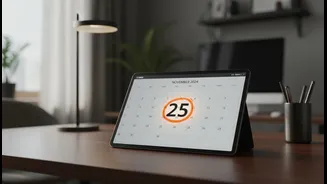
of mid-2026, first-time applicants for a B-1/B-2 visitor visa are facing significant wait times across India. In major hubs like Mumbai and New Delhi, the wait for an interview slot can range from 150 to 300 days. While cities like Chennai and Kolkata sometimes offer shorter queues, the overall timeline requires planning travel not just months, but often a year or more, in advance. This has transformed what was once a simple procedural delay into a formidable barrier that shapes the timelines of personal and professional lives.
Milestones Missed and Families Divided
The most profound impact of these delays is deeply personal. Across India, families are being forced to make heartbreaking choices. Grandparents are missing the birth of their grandchildren, parents are unable to attend their children’s weddings, and loved ones cannot be present for crucial family emergencies. These are not just missed vacations; they are irreplaceable life moments lost to a digital calendar of appointments. Social media groups are filled with stories of people watching family weddings on a livestream because a visa appointment was not available in time. The emotional toll is immense, turning moments of celebration into periods of stress and uncertainty as families try to coordinate life events around a bureaucratic process over which they have no control.
The Ripple Effect on Business and Careers
The consequences extend far beyond tourism and family visits. India's dynamic business landscape, with its deep ties to the US tech and corporate worlds, is also feeling the strain. Professionals are missing out on essential conferences, client meetings, and training opportunities that are vital for career growth. Small business owners and entrepreneurs, who rely on in-person networking, find their plans stalled. Even the renewal process for work visas like the H-1B can be fraught with peril; some Indian professionals who travel home for visa stamping have found themselves stranded for months, unable to return to their jobs and lives in the US. This creates a chilling effect, where even a necessary trip home for a family matter becomes a career-threatening risk.
Behind the Unprecedented Backlog
Several factors have converged to create this visa gridlock. The primary driver is the immense and sustained demand from Indian applicants, which consistently outstrips the processing capacity of US consulates. The post-pandemic travel surge created a massive backlog that consular offices are still working to clear. While the US Mission in India has taken steps to address the issue—such as increasing staff, holding special interview days, and expanding interview waiver eligibility (the 'dropbox' system)—the sheer volume of applications remains a fundamental challenge. Renewals through the dropbox system are significantly faster, often taking two to six weeks, but for first-time applicants, the in-person interview remains the major bottleneck.
Navigating the Long Wait
In response, applicants have developed strategies to navigate the system. Many constantly monitor the official visa scheduling portal, hoping to grab a cancelled slot that opens up earlier. Some strategically choose to apply in a consulate city with historically shorter wait times, even if it requires travel within India. For truly urgent situations, such as a medical emergency or a funeral, an expedited appointment can be requested, but these are granted sparingly and require substantial proof. For most, however, the only viable strategy is to plan far ahead. The advice from experts and fellow applicants is unanimous: start the visa process as early as possible, long before any concrete travel plans are made. The days of planning a US trip a few months in advance are, for now, a thing of the past.