

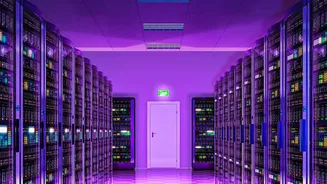

An Unprecedented Digital Build-Out
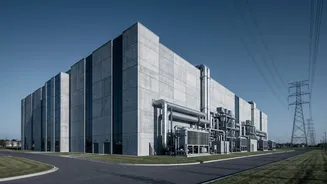
India is in the midst of a data centre construction boom of historic proportions. The nation’s data centre capacity quadrupled between 2020 and 2025 and is projected to triple again by 2029. This explosive growth is driven by the government's 'Digital
India' mission, data localisation mandates, and staggering investment commitments from global and domestic players, which have reached approximately $173 billion since 2021. More than 15% of these commitments are directly linked to the voracious computing demands of AI. This positions India as Asia's fastest-growing digital infrastructure market, essential for powering everything from cloud services to the AI models that are reshaping industries. However, this rapid scaling, concentrated heavily in hubs like Mumbai, Chennai, and Bengaluru, is placing unprecedented strain on the country’s natural resources.
The Thirst for Power
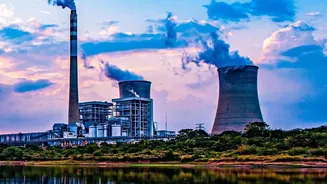
The primary environmental cost of any data centre is its immense appetite for electricity. AI workloads are particularly power-hungry; a server rack for AI can draw more than ten times the power of a traditional one. Globally, data centres are projected to consume nearly 1.5% of all electricity. As India's capacity grows, this demand will exert significant pressure on the national grid. While the industry is making strides toward sustainability, with some operators pledging to run on 100% renewable energy, the challenge is immense. Meeting this demand requires not just building more solar and wind farms but also ensuring the grid is stable enough to handle the concentrated load. Without a nationally coordinated strategy, the race to power AI could slow the country’s progress toward its net-zero emissions goals and lead to grid instability, as seen in other markets like Ireland.
The Hidden Water Footprint
Less visible but equally critical is the water footprint of data centres. Most facilities use water-based evaporative systems for cooling the thousands of servers running 24/7. A single hyperscale data centre can consume millions of litres of water per day. In 2025, India's data centres already consumed an estimated 150 billion litres of water, a figure expected to more than double to 358 billion litres by 2030. This is particularly alarming because many of India's data centre hubs are in water-stressed regions. Cities like Bengaluru, which faced a severe water crisis in 2024, are also home to a high concentration of these thirsty facilities. This creates a direct conflict between industrial growth and the water security of millions of citizens, especially when 600 million people in India already face high to extreme water scarcity.
A Blueprint for Sustainable Growth
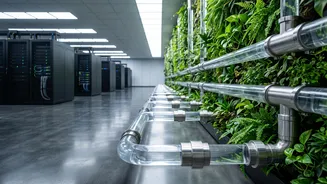
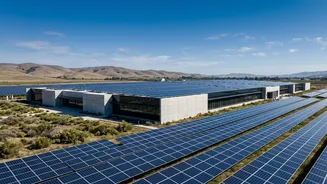
The environmental challenge is not an argument against India's digital ambitions but a call for smarter planning. Currently, India lacks a unified national policy for data centre development, leaving a patchwork of state-level incentives and regulations. Experts argue for a national framework that mandates water and energy usage disclosures, sets efficiency benchmarks like Power Usage Effectiveness (PUE) and Water Usage Effectiveness (WUE) and incentivises sustainable practices. This includes promoting the use of liquid cooling technologies, which are more efficient than traditional air cooling, and siting new data centres in regions with ample renewable energy and lower water stress. Some operators are already pioneering green designs, using recycled water, and investing in on-site solar power, proving that sustainable growth is possible. These practices need to become the industry standard, not the exception.