
India’s Eye on the Sun
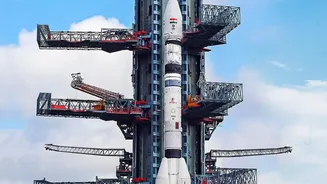
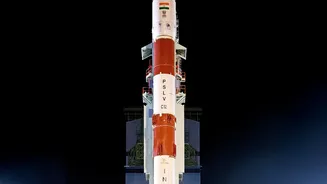
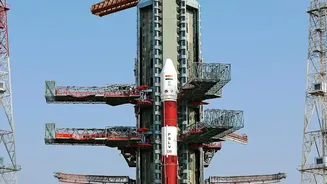
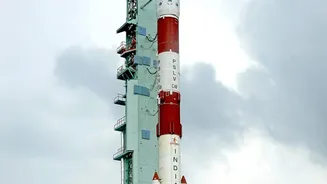
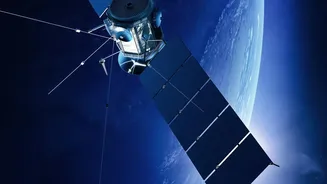
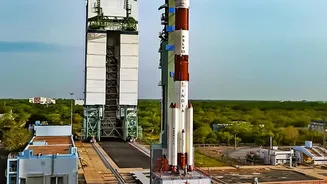
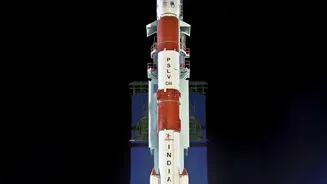
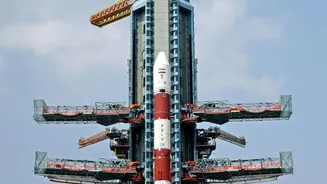
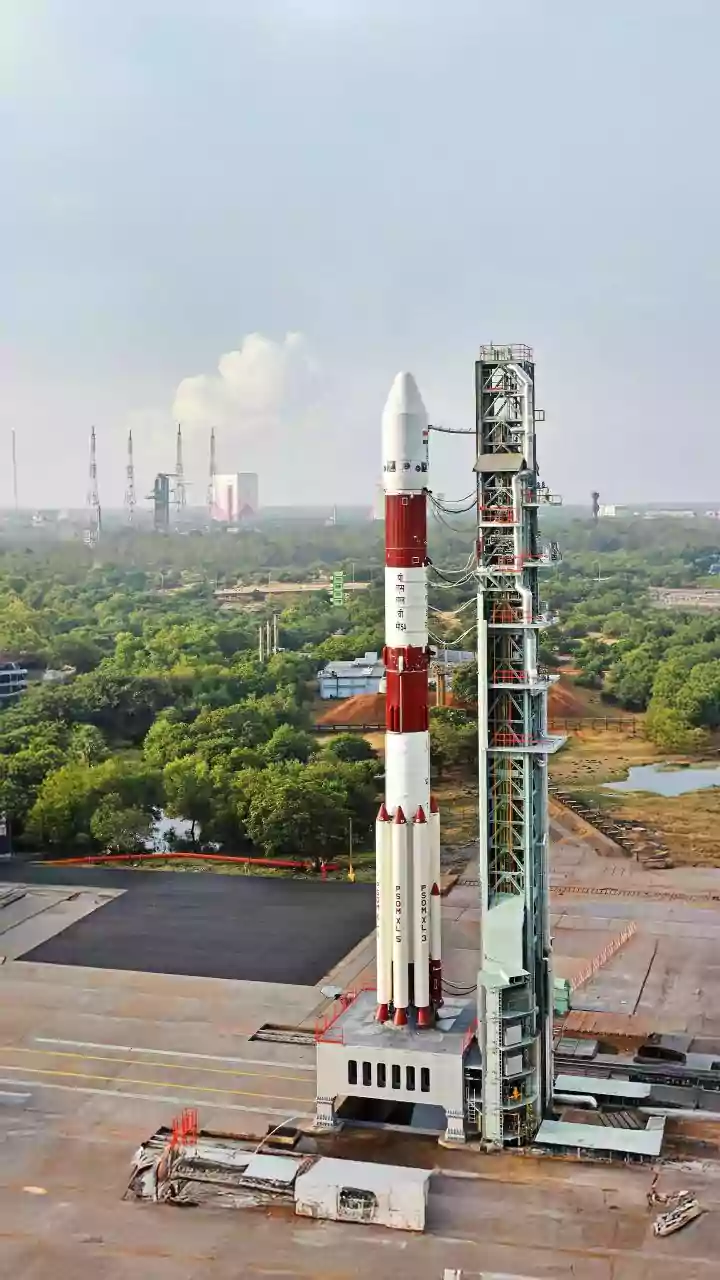
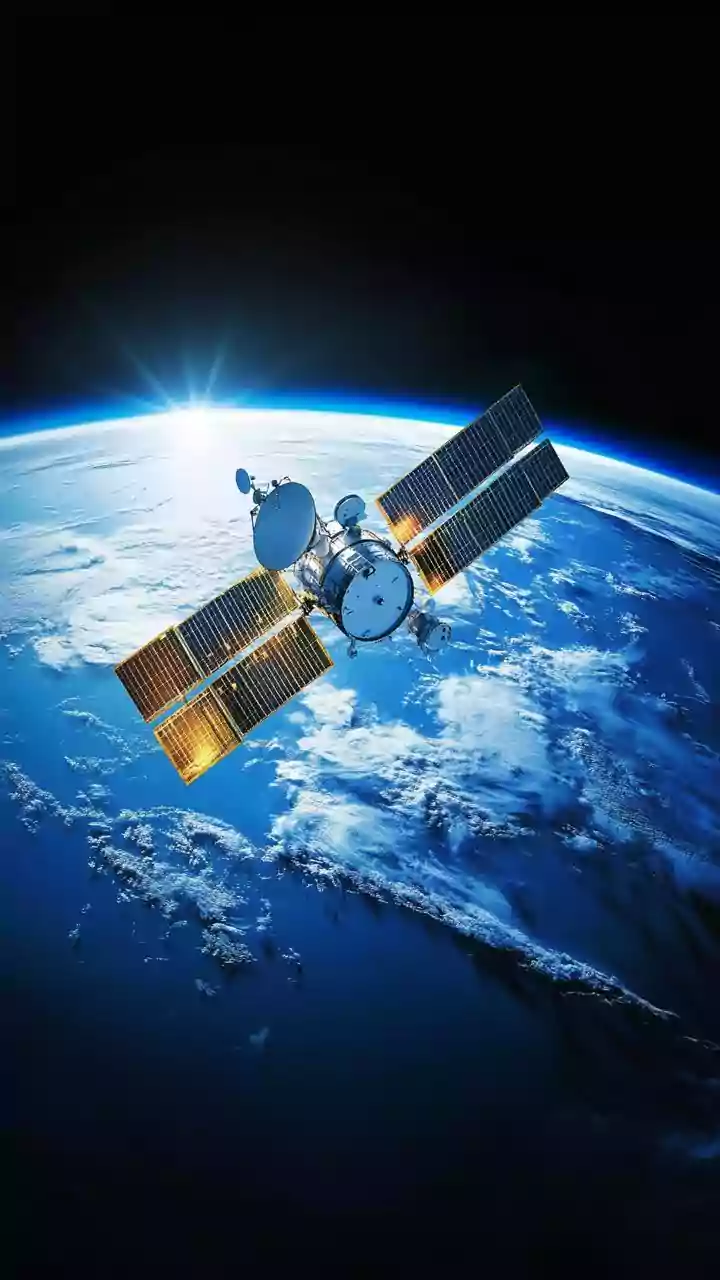
Launched in September 2023, the Aditya-L1 is India's first dedicated space-based observatory for studying the Sun. Positioned in a halo orbit at the Lagrange Point 1 (L1), it enjoys an uninterrupted view of our star, free from eclipses. This strategic
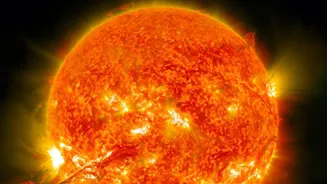
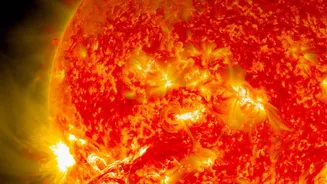
location allows its seven sophisticated payloads to continuously monitor the Sun's activities. The mission’s primary goals are to understand phenomena like coronal heating, solar flares, and Coronal Mass Ejections (CMEs), which are massive eruptions of plasma from the Sun. By studying the particles and radiation from these events, scientists hope to build a more accurate picture of space weather.
Decoding the Solar Wind
The Sun constantly emits a stream of charged particles—mostly electrons and protons—known as the solar wind. This wind flows outwards through the solar system, carrying with it the Sun's magnetic field. Understanding its behaviour is crucial because sudden changes or powerful gusts can have significant effects on Earth. These solar storms can disrupt our satellites, power grids, and communication networks like GPS. Two of Aditya-L1's key instruments, the Plasma Analyser Package for Aditya (PAPA) and the Aditya Solar wind Particle Experiment (ASPEX), are designed specifically to 'taste' this wind and analyse its composition and energy.
First Glimpses from the Sensors
Recent data from the Aditya-L1 mission have confirmed that its instruments are performing exceptionally well. The PAPA payload, which includes the SWEEP and SWICAR sensors, has been measuring the energy and composition of solar wind ions and electrons since it became operational. It successfully detected the impact of several Coronal Mass Ejections earlier this year, showing an abrupt increase in particle counts that matched observations from other international satellites. Similarly, the ASPEX payload has captured the enhancement of certain particles, like alpha particles and protons, which act as clear signatures of solar eruptive events. These early readouts demonstrate the mission's capability to effectively monitor the space environment in real-time.
High-Speed Streams and Flare Forewarnings
One of the most exciting recent revelations comes from the mission's ability to identify early warning signs for solar flares. Scientists have discovered small, short-lived brightenings in the Sun's atmosphere that appear hours before a major flare erupts, clustering around the eventual site of the explosion. This finding could be a game-changer for space weather forecasting. Furthermore, instruments like ASPEX are detecting high-speed solar wind streams, which are often associated with these eruptive events. By combining data from its various instruments, Aditya-L1 can link activity in the Sun's lower atmosphere to the massive energy releases in its corona, providing a more complete picture of how these powerful events develop.
Why This Matters for Earth
The ultimate goal of studying solar wind and space weather is to protect our increasingly technology-dependent society. A severe geomagnetic storm, triggered by a CME, could potentially knock out satellites in orbit, disrupt global communications, and even damage power grids on the ground. The data from Aditya-L1 is not just academic; it has profound practical implications. By improving our ability to forecast these events, we can take protective measures, such as temporarily shutting down sensitive satellite components or preparing power grid operators for potential surges. The insights from Aditya-L1's sensors are a crucial step towards creating more reliable early-warning systems, safeguarding our critical infrastructure from the Sun's violent outbursts.