






The Comfort of the Curated Cafe
Let's be honest, the appeal of a good cafe is undeniable. The minimalist decor, the perfect latte art for your Instagram story, the reliable Wi-Fi, and the familiar menu of avocado toast and banana bread. Cafes offer a predictable comfort, a clean, controlled
environment where we can relax and socialise. They are the modern-day adda, designed for a globalised palate and aesthetic. There’s nothing inherently wrong with this; it’s a pleasant way to spend an afternoon. But 'pleasant' and 'predictable' are the keywords. After the third cafe with the same exposed brick wall and a nearly identical menu, a sense of sameness can creep in. The experience, while enjoyable, often feels detached from the city it's in. You could be in Bengaluru, Delhi, or Mumbai, and the vibe inside remains largely interchangeable.
The Adventure of the Authentic Trail
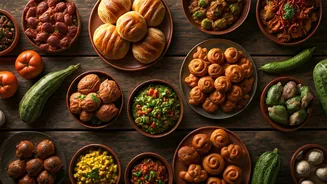
Now, contrast this with a traditional food trail. Picture this: navigating the crowded, chaotic lanes of Old Delhi in search of the perfect Daulat ki Chaat, a melt-in-your-mouth delicacy that disappears with the morning sun. Or tracing the history of Lucknow through its galouti kebabs and sheermals, each vendor sharing a story passed down through generations. This isn't just about eating; it's an immersive adventure. A food trail is a living museum of a city's culinary soul. It’s unplanned, a little messy, and utterly exhilarating. It engages all your senses—the sizzle of a hot tawa, the aroma of spices hanging in the air, the symphony of vendors calling out their specialities, and the vibrant colours of street-side delicacies. It’s an experience rooted firmly in place and time.
Flavour with History vs. Filtered Feeds
The modern cafe experience is often visually driven, optimised for social media. The food is designed to be 'Instagrammable', the lighting perfect for a selfie. A traditional food trail, however, is flavour-driven. The focus isn't on presentation for a camera, but on taste perfected over decades, sometimes centuries. That greasy, unassuming paper plate holding the crispiest, most flavourful aloo tikki has more history and soul than any perfectly plated quinoa salad. Each bite connects you to a culinary lineage. The vendor isn't a barista trained in a two-week course; they are often the third or fourth generation of their family to perfect a single dish. You aren't just a customer; you are a participant in a long-standing cultural tradition.
Connection Over Curation
Cafe hopping can be a socially insular activity. You go with your friends and stay within your bubble. The interaction with the staff is transactional—order, pay, leave. Exploring a food trail, however, forces you to connect. You chat with the vendor about their craft, you ask locals for directions to the next hidden gem, you share a crowded bench with strangers, all united in the quest for good food. This is where you find the real texture of a city. These interactions break down barriers and create genuine memories that a filtered photo from a chic cafe simply cannot replicate. It’s about discovering the heart of a place, not just observing its stylish facade.
The Economics of Eating
Let's also consider where your money goes. When you spend ₹500 on a coffee and a croissant at a generic cafe chain, a significant portion goes to rent in a prime location, marketing, and corporate overheads. When you spend that same amount on a food trail, you’re often putting money directly into the hands of multiple small, family-run businesses. You are supporting local artisans, preserving culinary heritage, and contributing to a micro-economy that is the lifeblood of a city's culture. Your meal becomes an investment in authenticity and community, which is a far more rewarding transaction.